SAEDNEWS: Inspired by traditional homes and aiming to merge heritage with modern design, a contemporary residence has been created in a Vietnamese city.
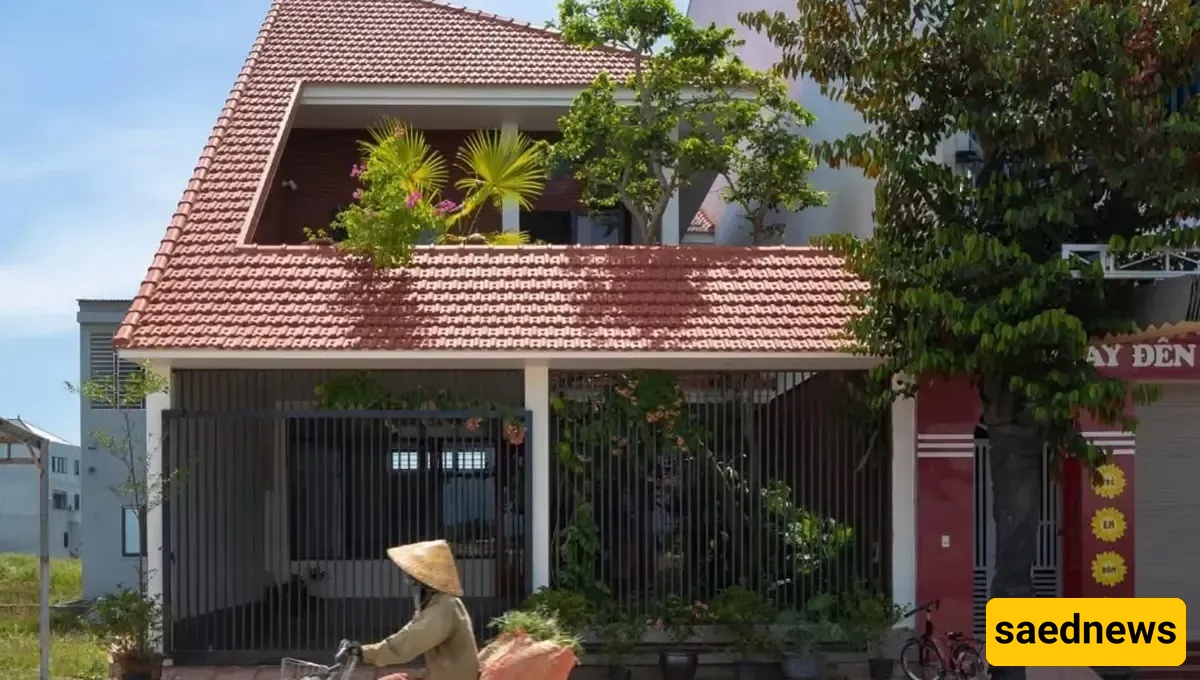
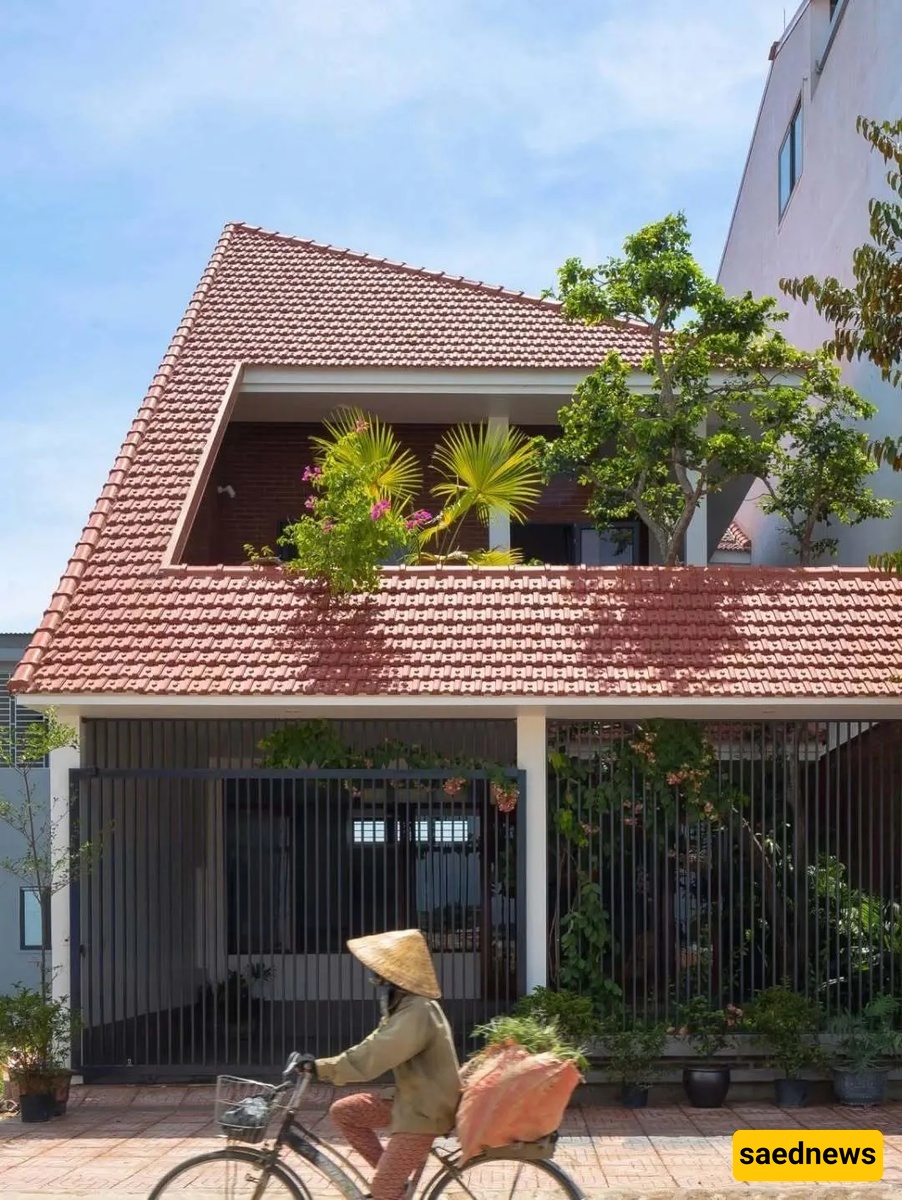
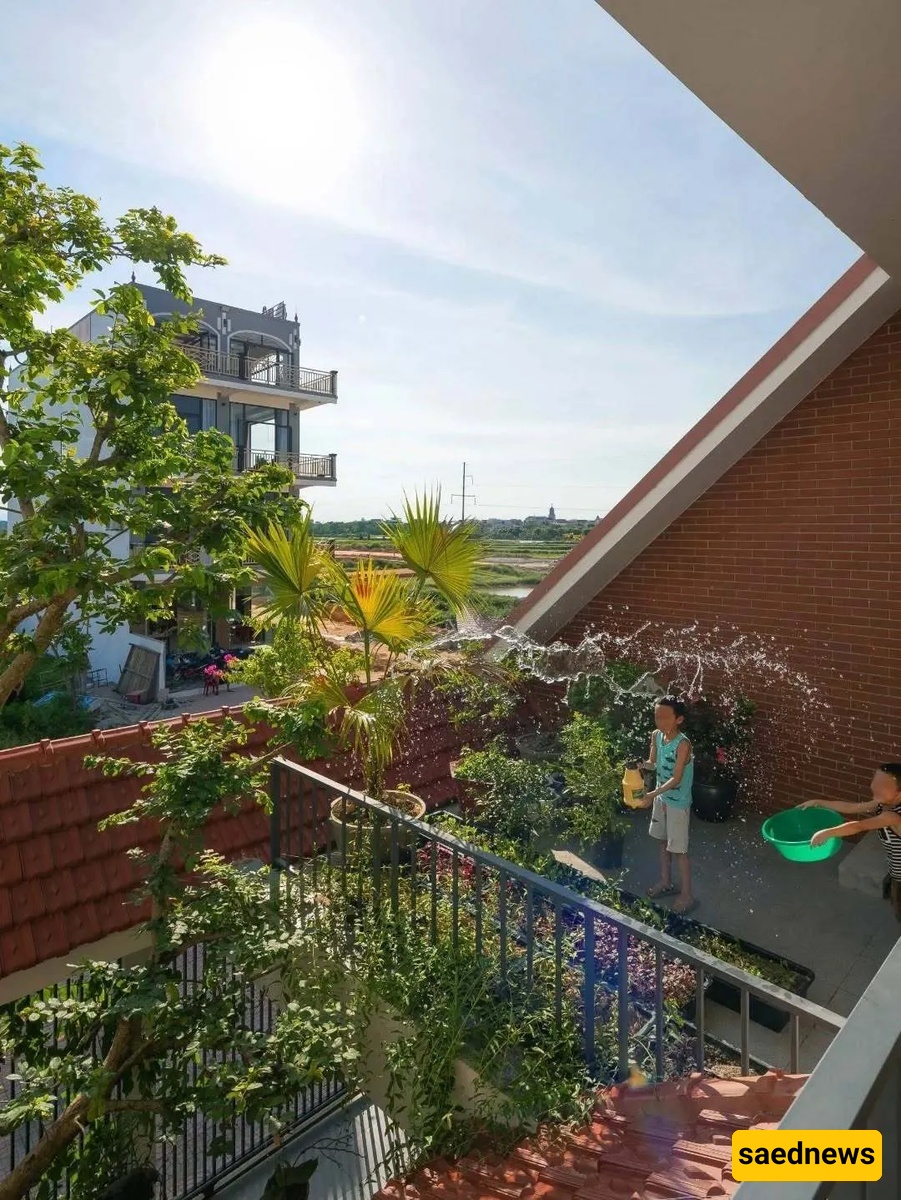
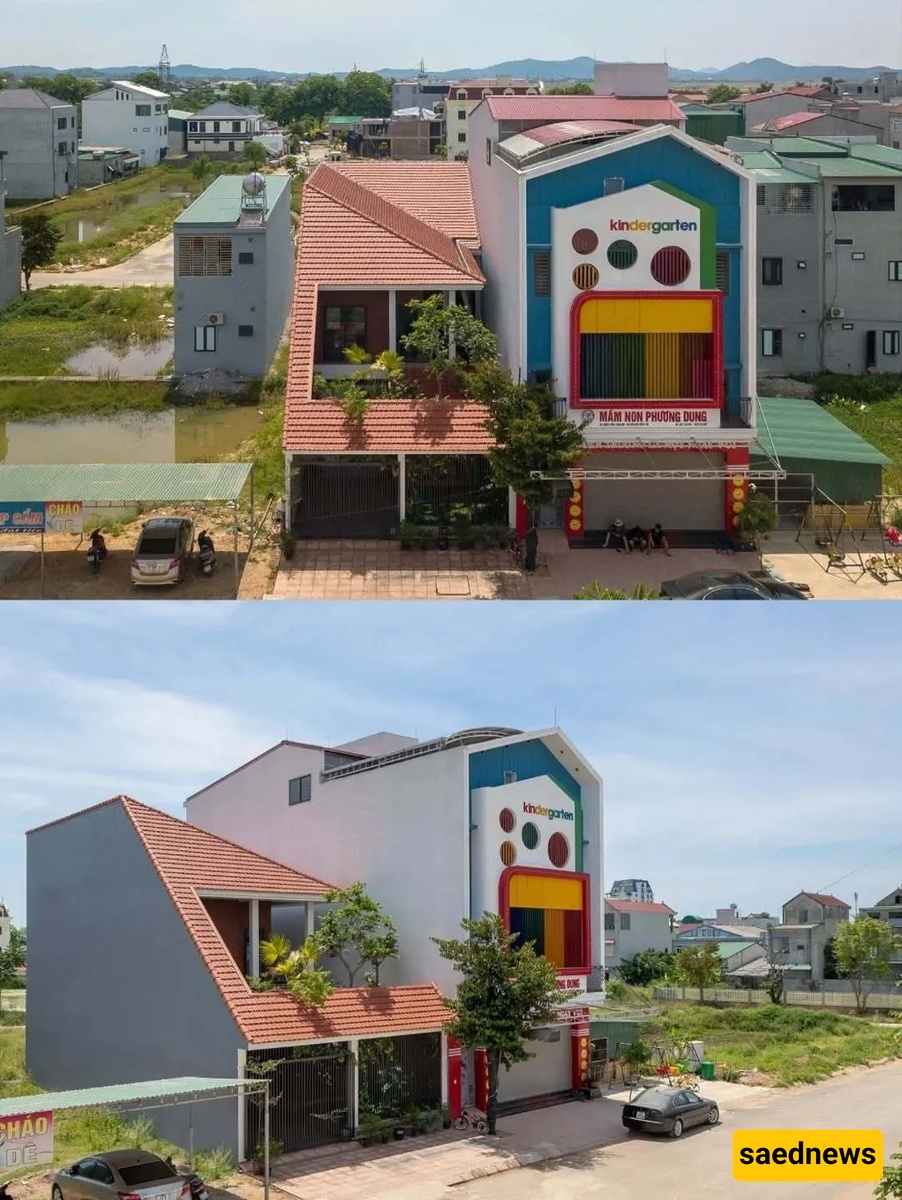
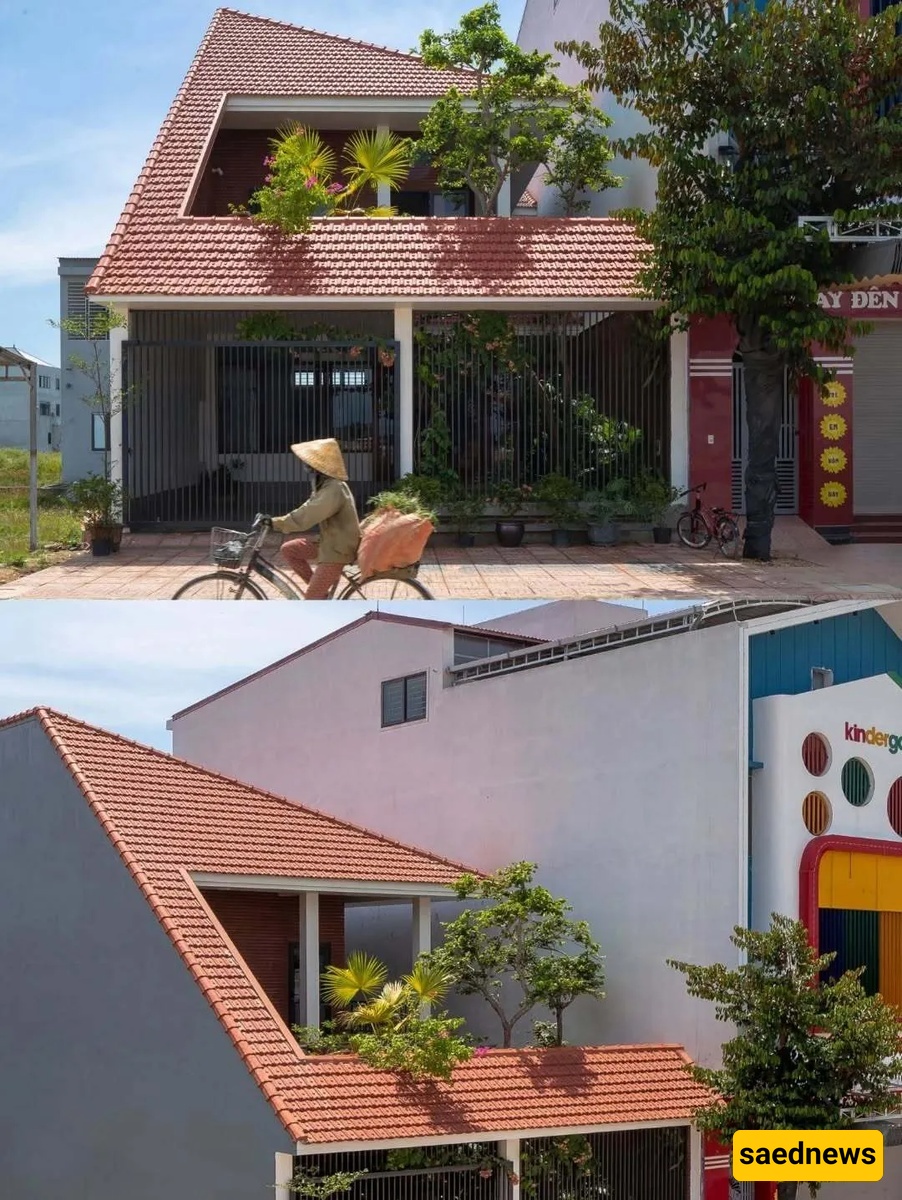
According to Saednews Architecture Service Reports This house has been designed on an 8 by 20 meter plot with the goal of preserving a traditional way of life while creating an environment where children can grow up close to nature. Inspired by older vernacular homes, the architect designed a large, sloped roof covered in red tiles that wraps over the entire structure like a conical hat.
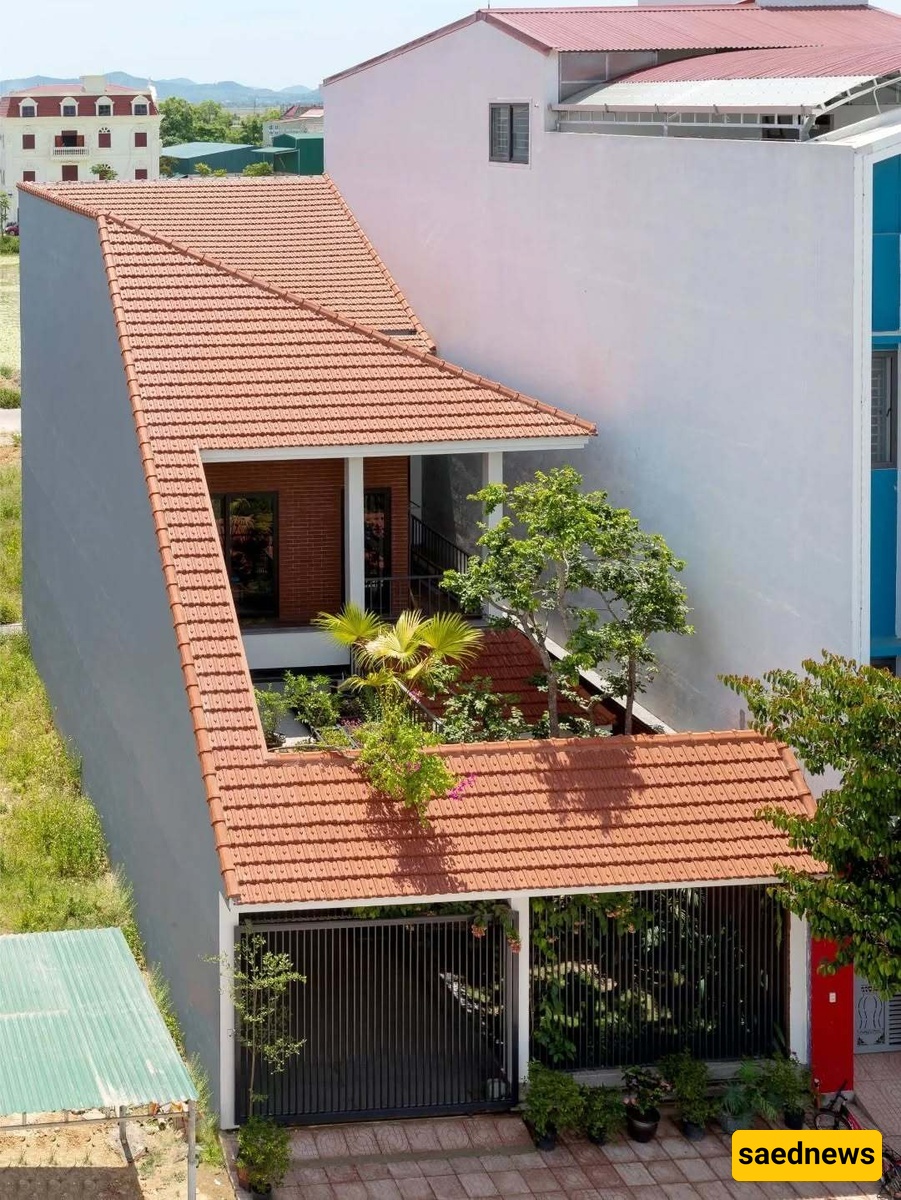
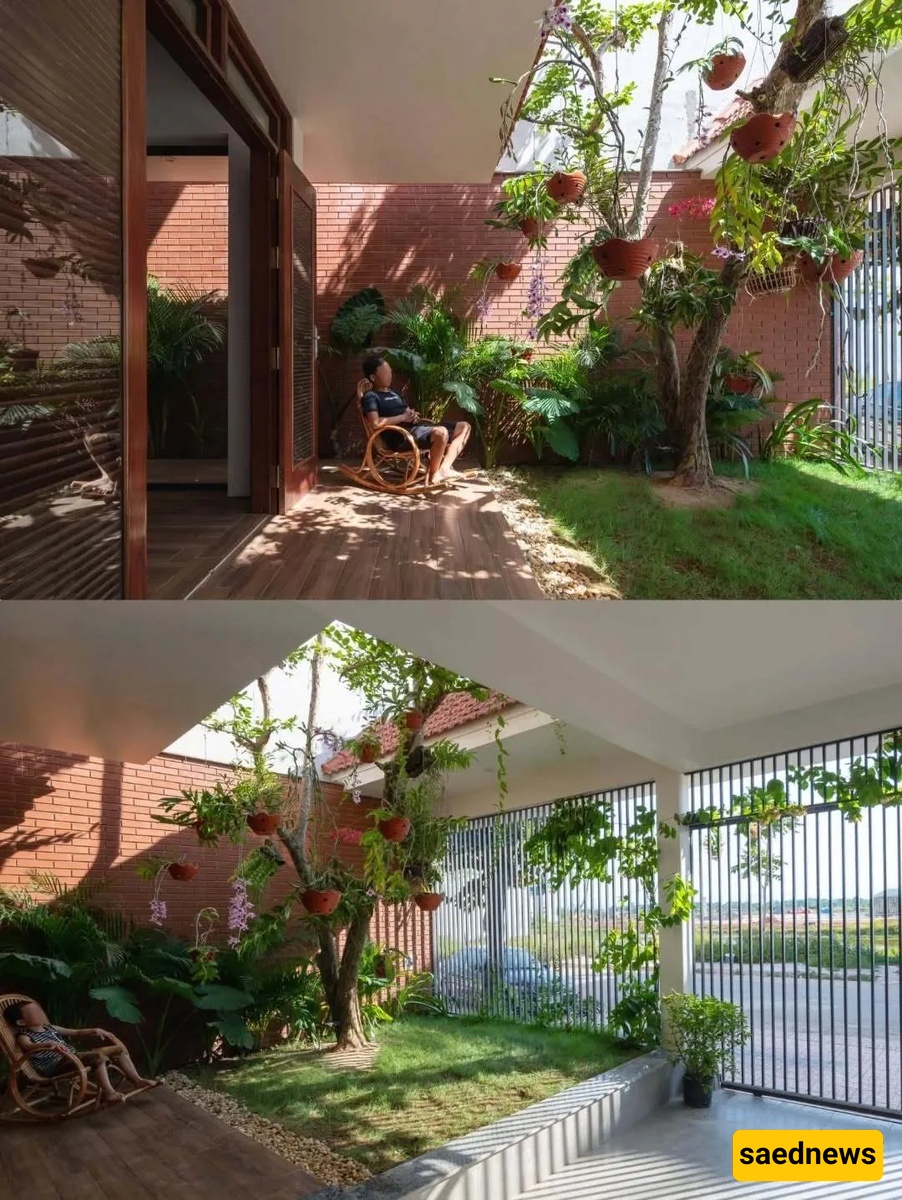
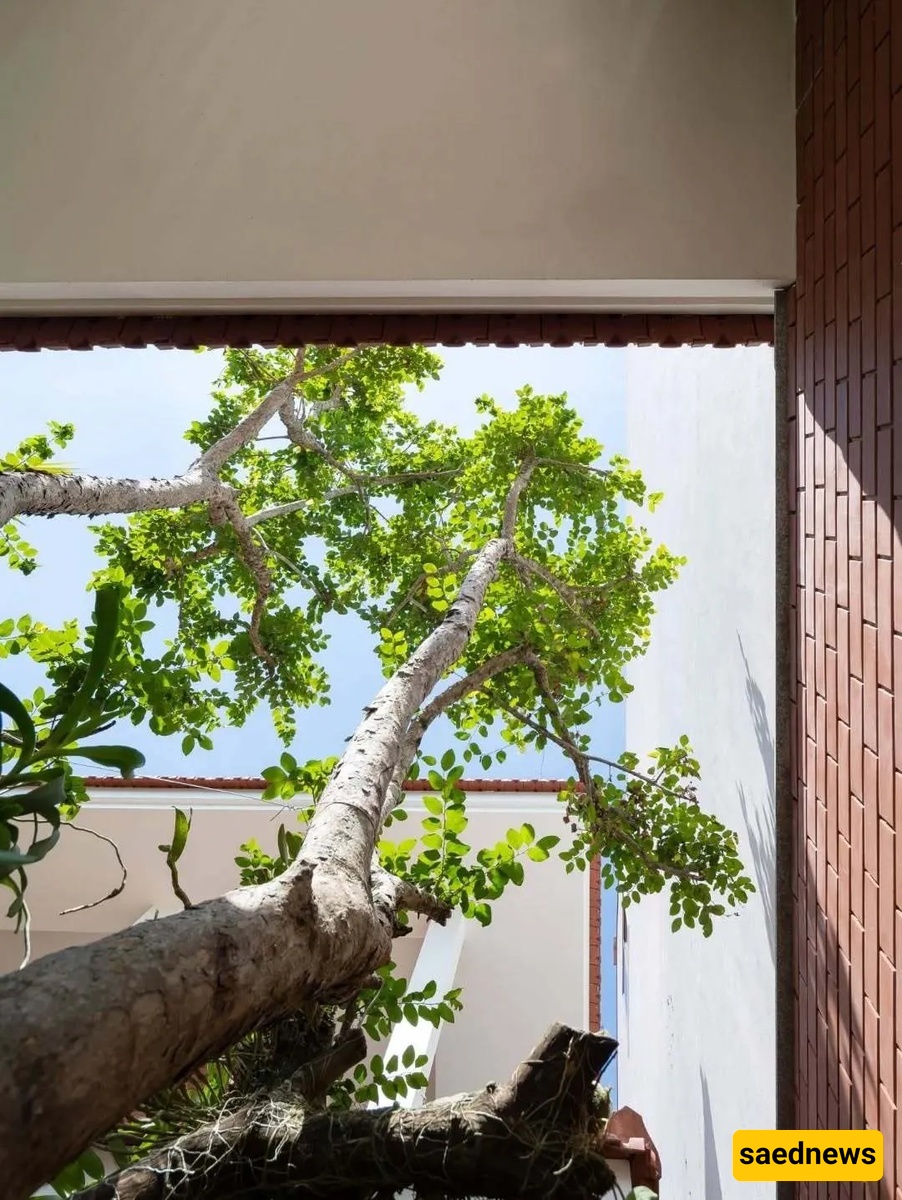
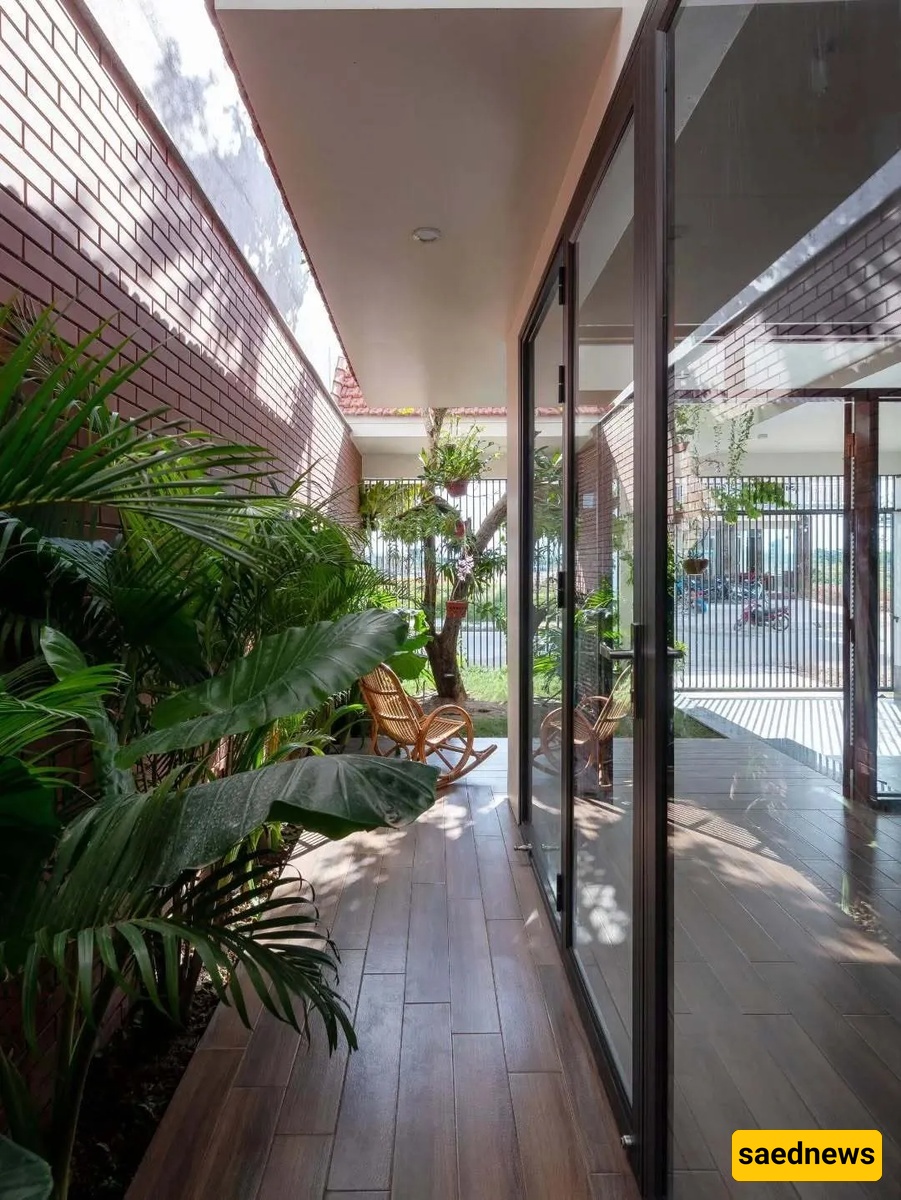
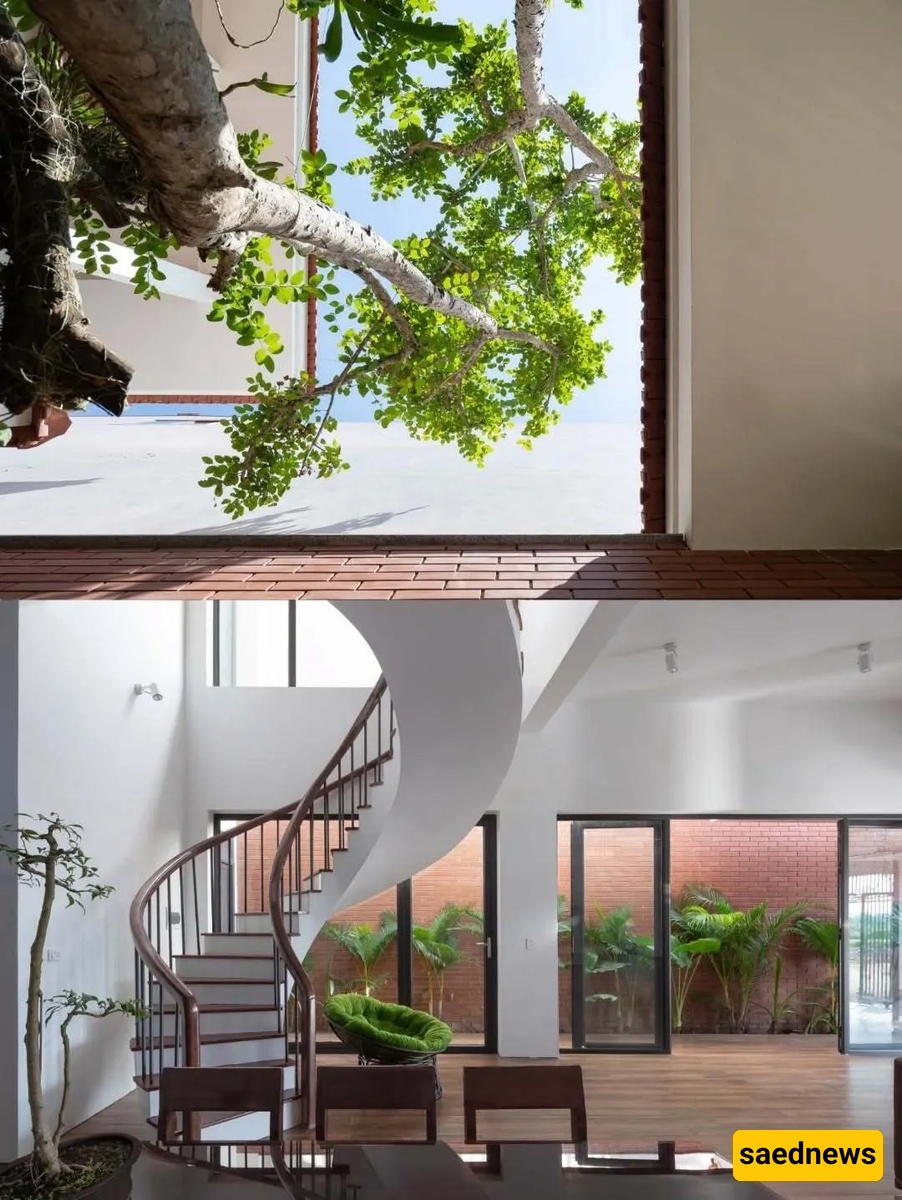
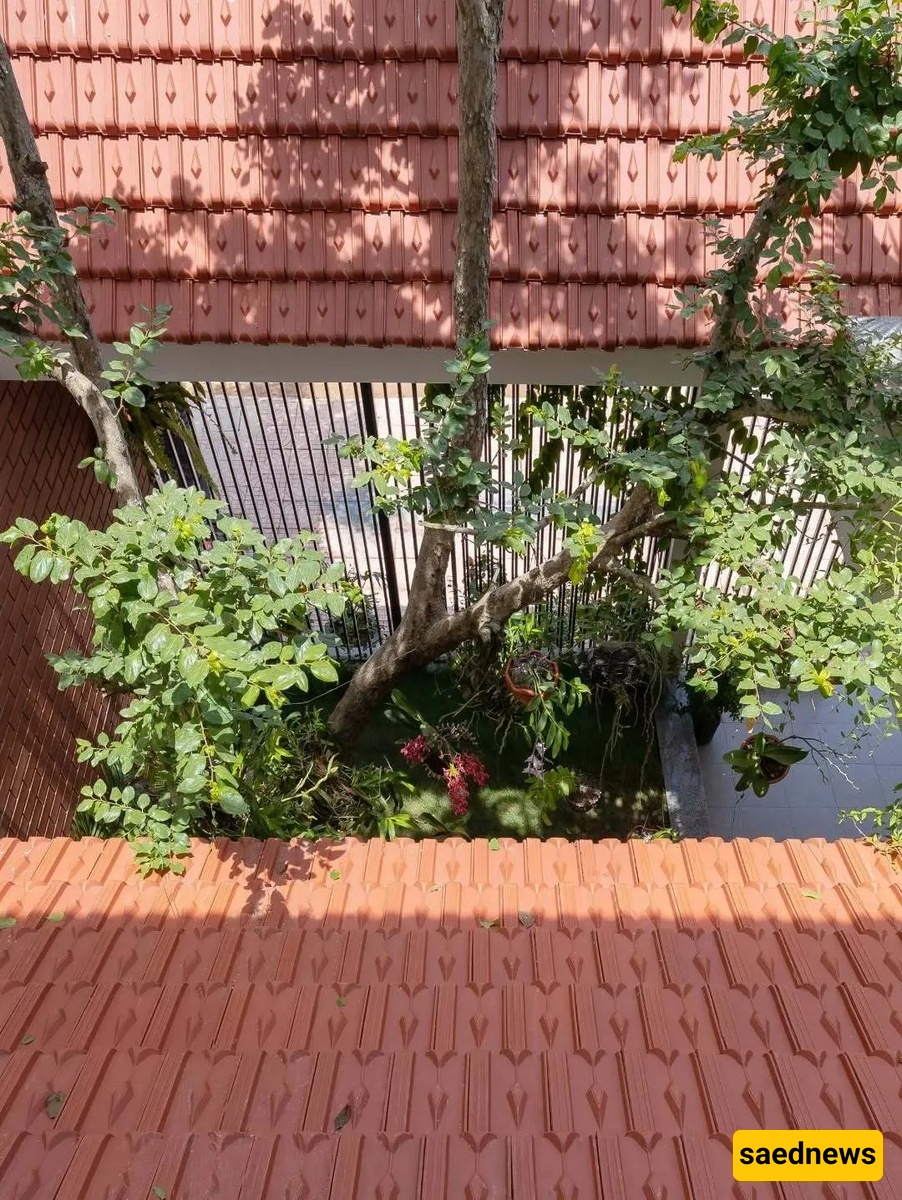
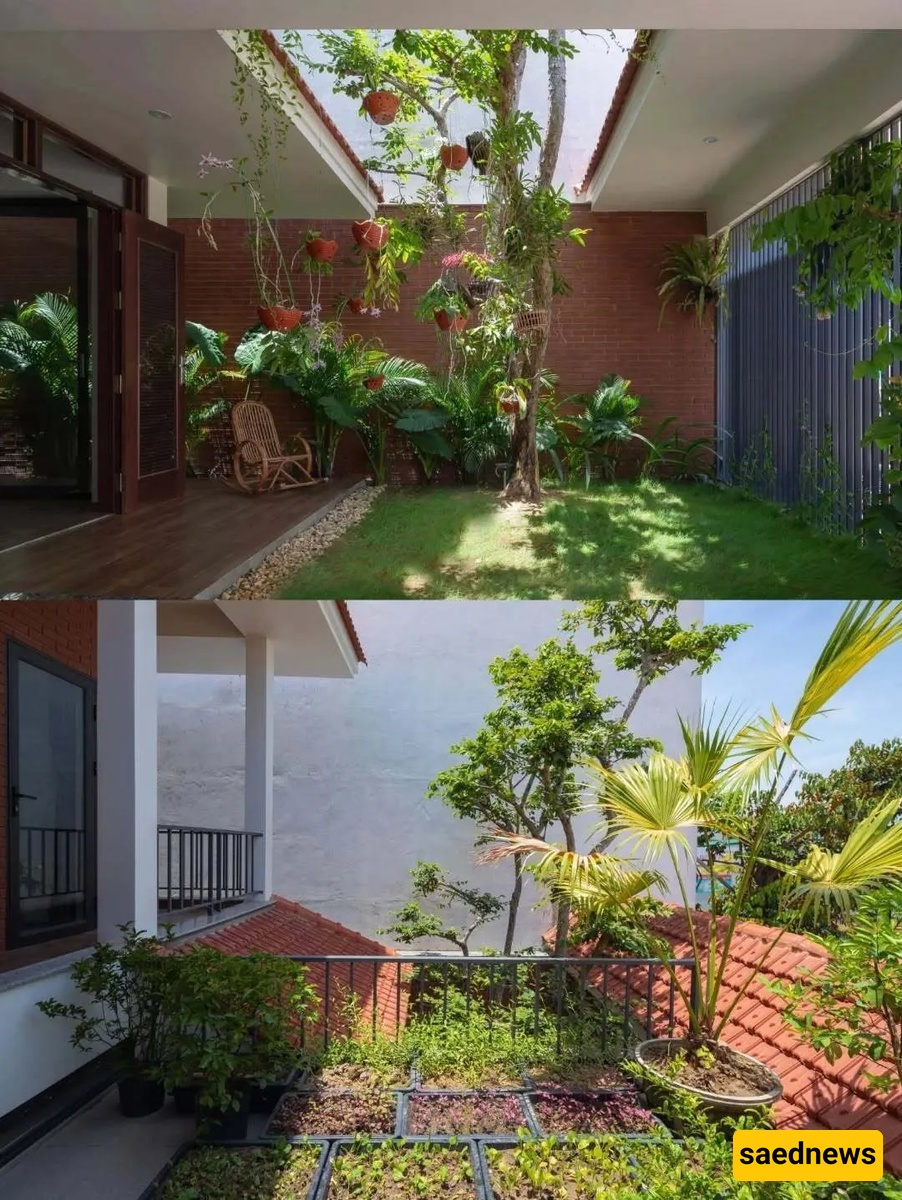
A key innovation is the removal of part of the roof to create an open, light-filled courtyard. This allows planted trees within the yard to continue growing freely while casting natural shade over the house. The opening also enhances ventilation and natural daylight throughout the building, symbolizing a close coexistence between humans and nature.
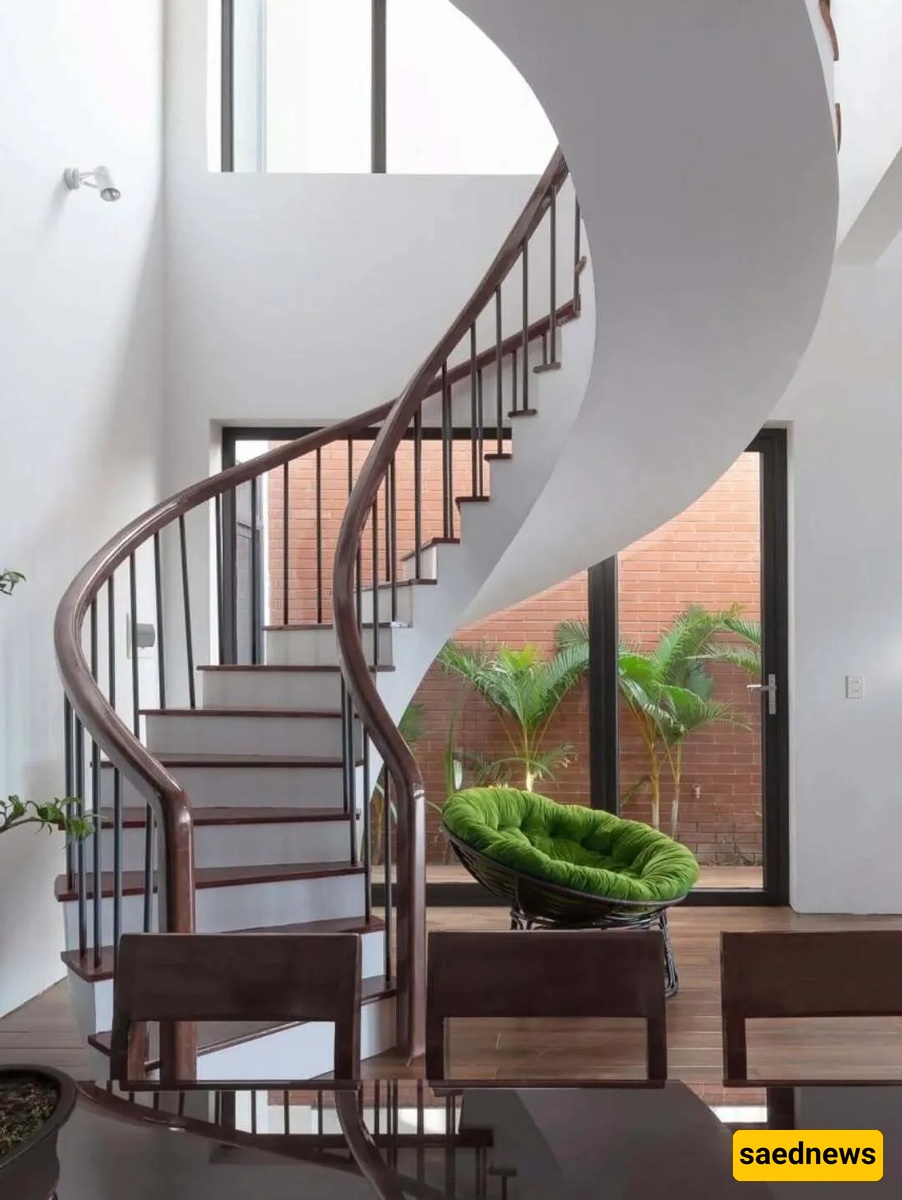
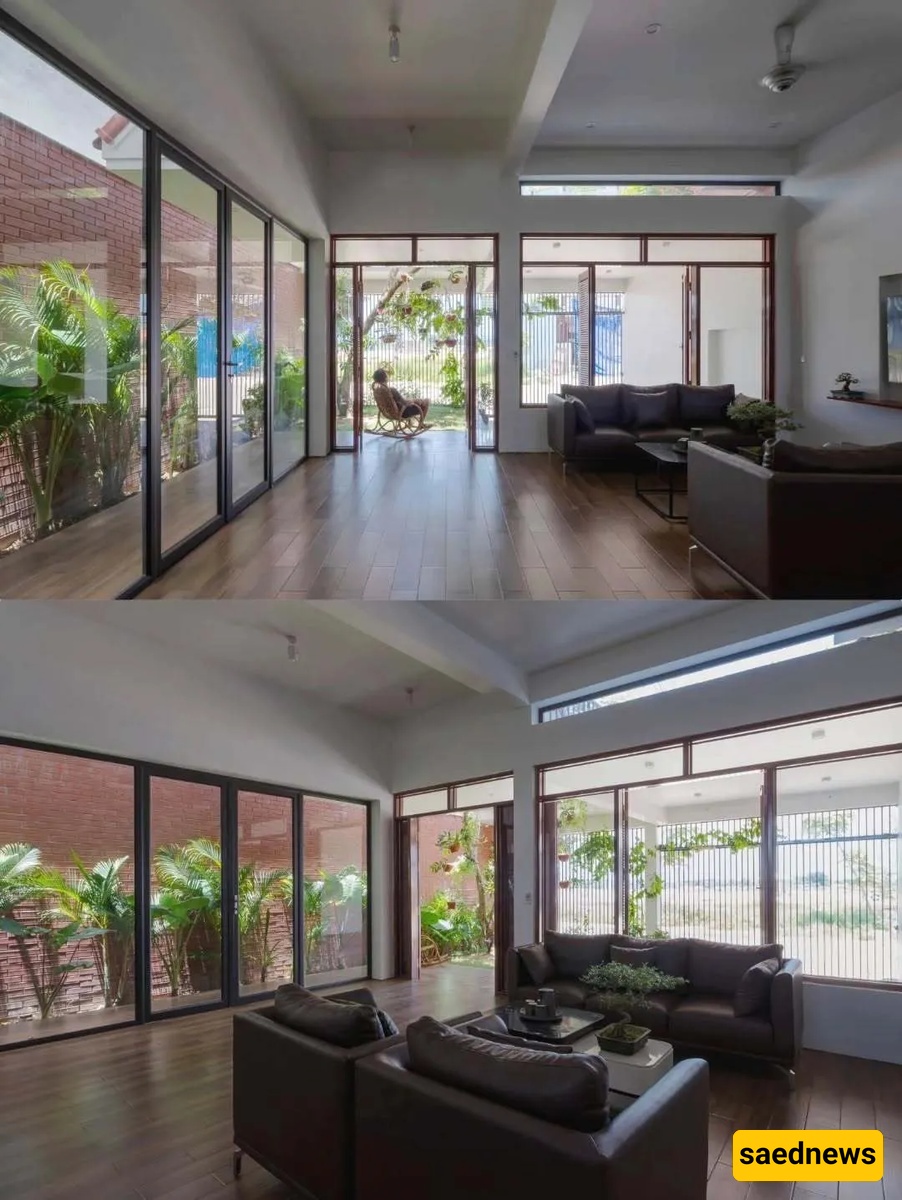
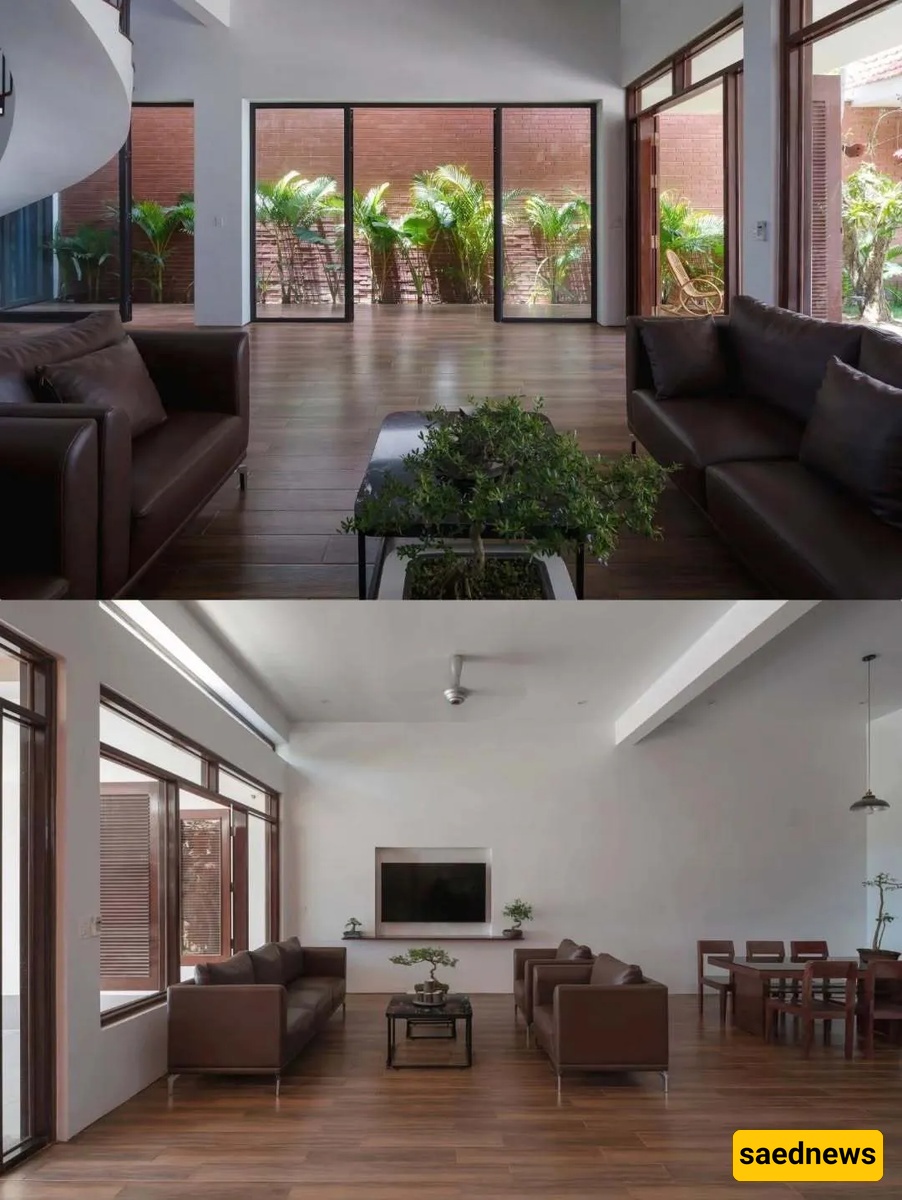
The home is carefully organized to separate private and public spaces. The ground floor contains shared areas such as the living room, kitchen, dining area, and master bedroom, all of which connect directly to the surrounding garden and veranda.
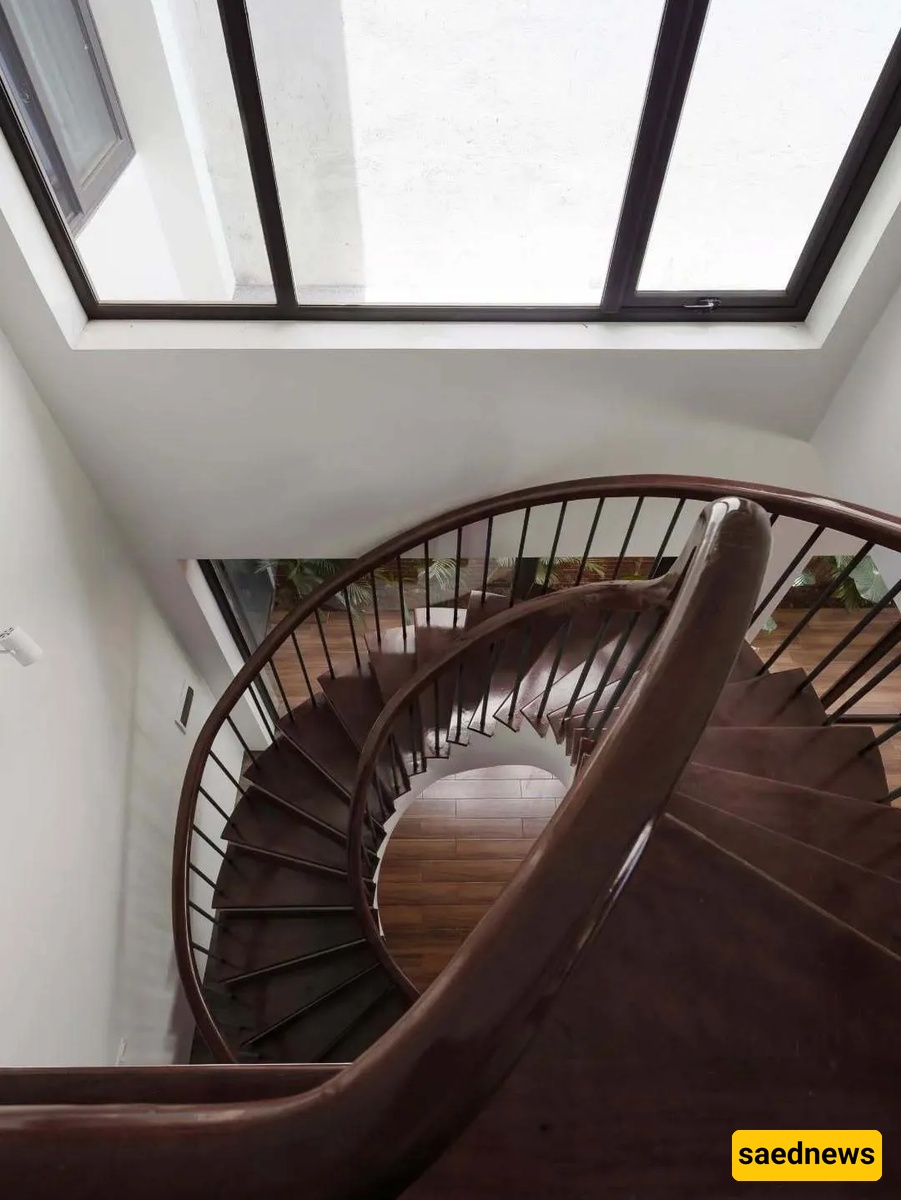
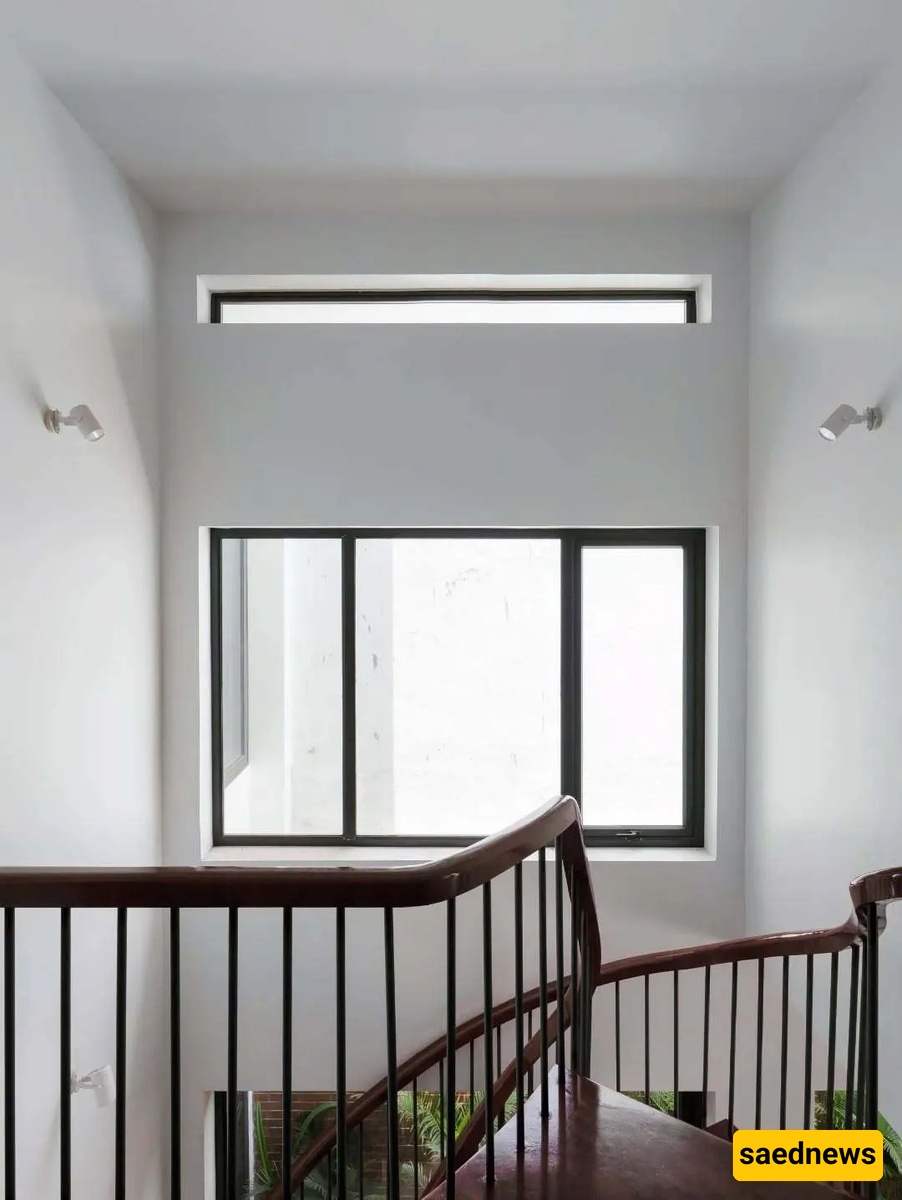
The upper floor offers a quieter, more private setting, including children’s bedrooms, a prayer room, and a laundry space. This arrangement allows the family to maintain rural-inspired daily habits—such as eating under trees, playing on the veranda, and interacting with neighbors—even within a dense urban environment.
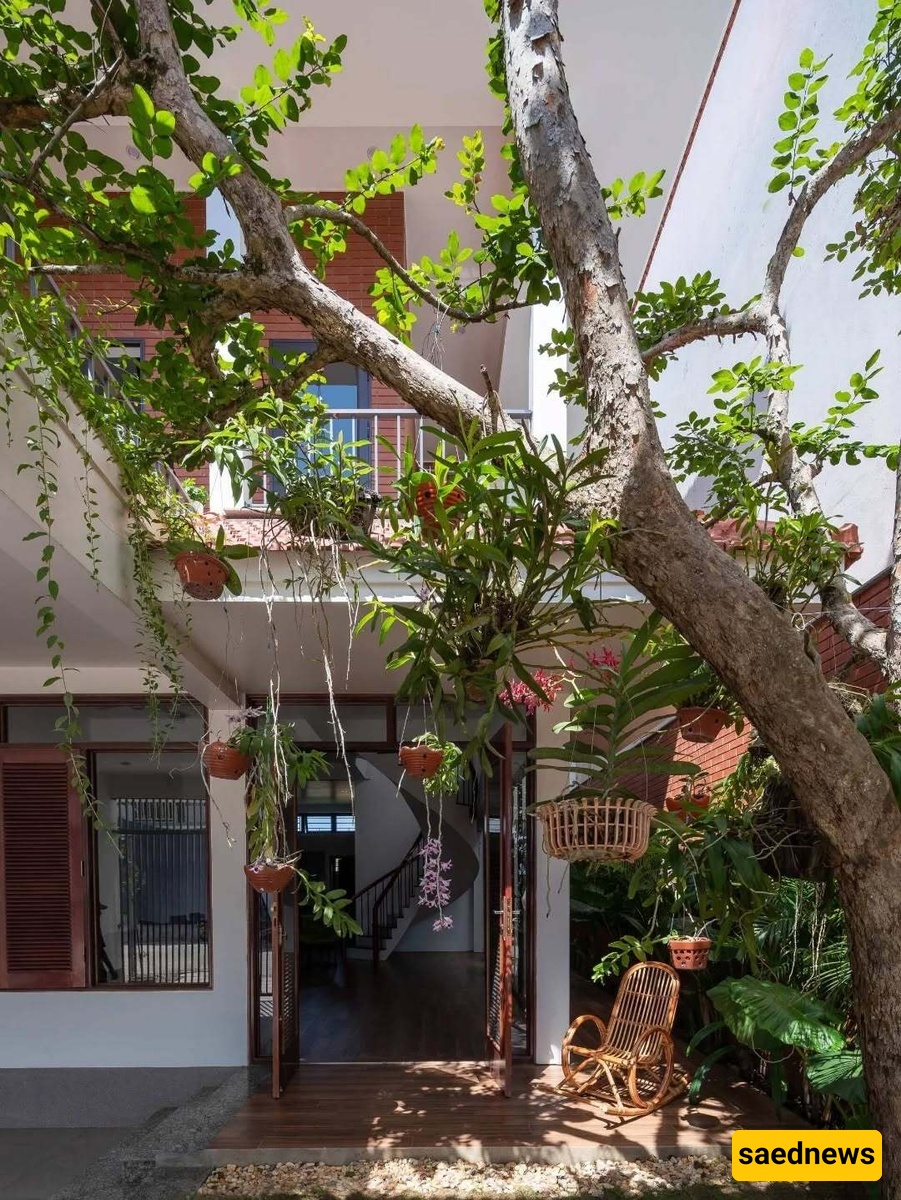
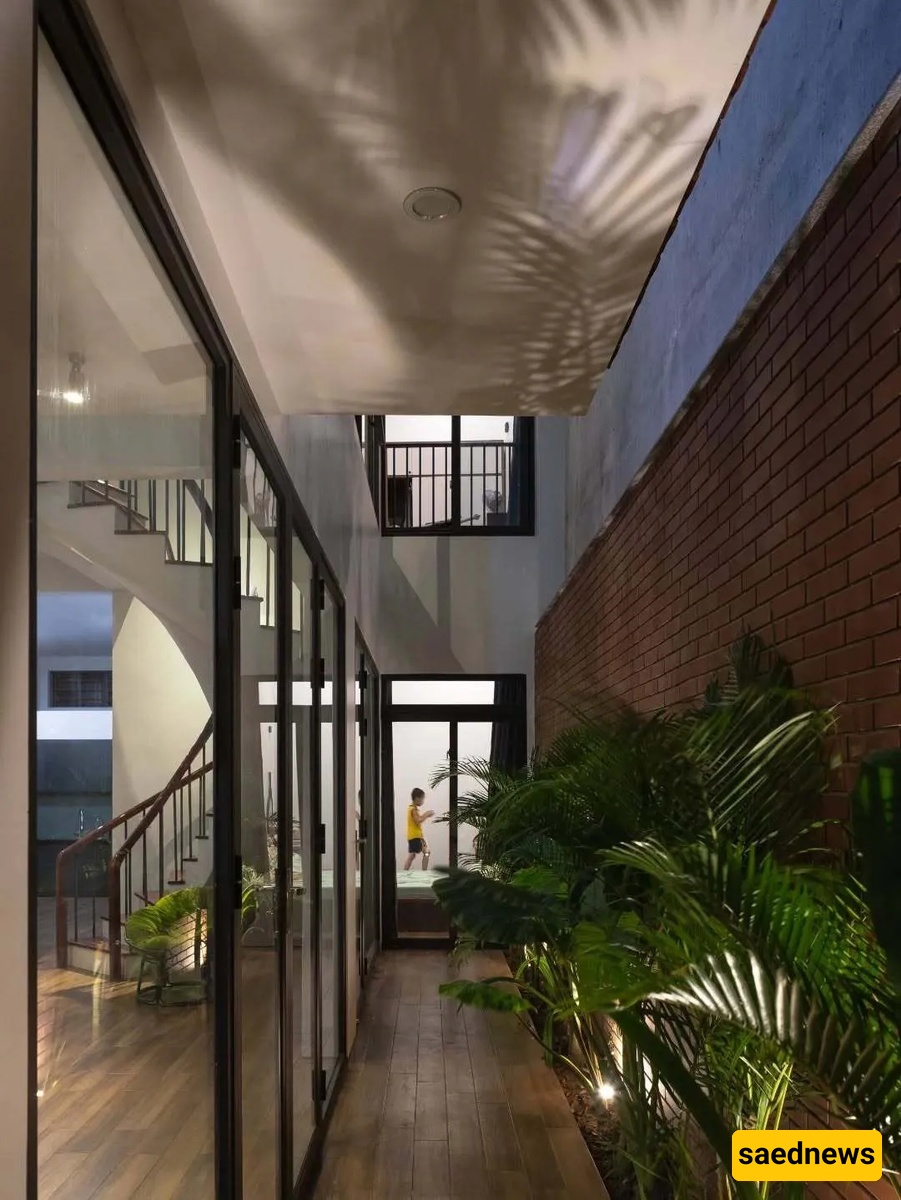
Despite the narrow width of the plot, the architect solved challenges related to light and ventilation by introducing open courtyards at the front and along the house. These buffer-like outdoor spaces between the home and the street recall traditional Southeast Asian residential designs and help create a more livable urban environment.
In addition, the upper level includes a small area for growing vegetables, enabling children to engage with nature alongside their parents and learn basic gardening skills. These shared activities also strengthen family bonds.
To integrate nature into interior spaces, part of the roof can be removed to create an open area that supports tree growth and improves natural airflow. However, careful attention must be given to drainage systems and waterproofing to prevent rainwater infiltration and potential structural damage.