SAEDNEWS: People with alpha or beta thalassemia minor often have no symptoms and may not know they are carriers. If both partners carry the gene, each pregnancy has a 25% chance of resulting in a child with thalassemia major.
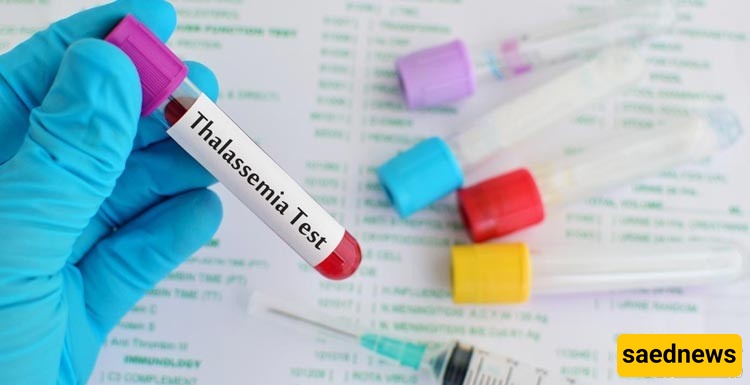
According to Saed News, citing Ninisite, May 8 (18 Ordibehesht in the Iranian calendar) is observed as World Thalassemia Day as well as the National Day for Rare and Incurable Diseases. Advances in genetic science have made it possible to understand how this condition is transmitted and how timely testing can significantly reduce its prevalence. Thalassemia is a genetic disorder.
This disorder occurs when the genes responsible for producing healthy hemoglobin—an iron-rich protein in red blood cells—undergo mutation. Hemoglobin carries oxygen throughout the body and transports carbon dioxide to the lungs. When these genes mutate, they are permanently altered, making thalassemia a lifelong condition. On the occasion of World Thalassemia Day, an interview was conducted with Dr. Maryam Sobhani, PhD in Medical Genetics from Tehran University of Medical Sciences, discussing the nature of this disorder and how it is inherited.
Thalassemia is the most common group of inherited disorders in humans and is prevalent in the Mediterranean region, the Middle East, the Indian subcontinent, and Southeast Asia. There are different types of thalassemia depending on which part of hemoglobin is affected.
Hemoglobin is made up of protein chains called alpha and beta chains. Symptoms can range from mild to severe depending on which genes are mutated and whether alpha or beta hemoglobin is affected. Based on severity, thalassemia is classified into:
Minor: Usually no symptoms or only mild anemia
Intermedia: Moderate symptoms, sometimes requiring blood transfusions
Major: The most severe form
Alpha thalassemia occurs due to mutations in the alpha globin chain, which involves four genes:
One mutated gene: Usually no symptoms
Two mutated genes: Mild anemia (alpha thalassemia)
Three mutated genes: Leads to Hemoglobin H disease (HbH)
Four mutated genes: Causes the most severe form, alpha thalassemia major
This type is more common among individuals of African, Asian, or Middle Eastern descent.
Beta thalassemia results from mutations in the beta globin chain, which involves two genes:
One mutated gene: Very mild anemia
Two mutated genes: Causes Cooley’s anemia (beta thalassemia major)
Beta thalassemia is more common than alpha thalassemia.
People with alpha or beta thalassemia minor may not be aware of their condition since they often show no symptoms. Marriage is often when individuals discover they are carriers. If both partners are carriers:
25% chance of a healthy child
50% chance of a carrier child (thalassemia minor)
25% chance of a child with thalassemia major
Patients with thalassemia major show symptoms of severe anemia early in life and require prompt treatment. The primary treatment is regular blood transfusions, which help manage anemia but can lead to iron overload.
Excess iron gradually accumulates in vital organs such as the heart, liver, and endocrine glands, causing serious complications over time.
Thalassemia is inherited from parents and does not occur spontaneously. If one or both parents are carriers, the fetus may inherit the condition.
Diagnostic tests during pregnancy include:
Chorionic villus sampling (weeks 11–14)
Amniocentesis (around week 15)
Umbilical cord blood testing (weeks 18–21)
Early diagnosis is especially important in severe cases like alpha thalassemia major, which has a low survival rate.
If you have thalassemia, you should inform your obstetrician. Depending on the type, you may need specialized care during pregnancy.
Taking 5 mg of folic acid daily can help reduce the risk of neural tube defects such as spina bifida. Thalassemia can also increase the risk of anemia during pregnancy.
Women with beta thalassemia major may face high-risk pregnancies due to strain on vital organs. In such cases, cesarean delivery is usually required.
About 4% of the population are carriers of beta thalassemia genes. Alpha thalassemia is generally milder, although its carrier rate is higher.
Thalassemia is always inherited. Since 1996, prevention programs have been implemented, including mandatory premarital screening. Couples who are both carriers can still have children but should undergo prenatal genetic testing before each pregnancy.
Symptoms depend on the type and severity of the disease and arise due to insufficient oxygen delivery caused by low hemoglobin levels.
Severe cases, especially in early childhood, may include:
Fatigue and weakness
Pale or yellowish skin
Enlarged abdomen due to liver and spleen enlargement
Dark urine
Facial bone deformities and poor growth