SAEDNEWS: Ground meat requires careful attention during preparation and storage due to its fatty texture. Ignoring proper handling can pose serious health risks to your family.

Red meat is one of the most commonly consumed foods in Iran, making proper storage both important and delicate. Knowing which type of meat to store, at what temperature, and for how long is crucial for family health and nutrition.
Dr. Dabbagh Moghaddam, a veterinarian and food safety expert, explains best practices for keeping red meat fresh.
If you plan to store meat for a long period, it should be frozen immediately at the coldest possible temperature to preserve its quality and nutritional value.
After purchasing red meat, divide it into small portions. Spread the meat thinly inside a plastic bag and place it in the freezer. The smaller and thinner the portions, and the lower the freezer temperature, the faster the meat freezes and the better its quality is maintained.
If the meat is packaged in thick, bulky portions, the center may freeze slowly. This can lead to spoilage in the middle of the package, which may spread to other parts or reduce the overall quality of the meat.
White spots, often called freezer burn, can appear if the packaging is torn or punctured, allowing surface moisture to evaporate rapidly. Black spots that appear after freezing, however, may indicate fungal contamination.
Frequent changes in freezer temperature and humidity from repeated opening and closing can encourage fungal growth. If black spots appear after freezing, it is best not to consume the meat.
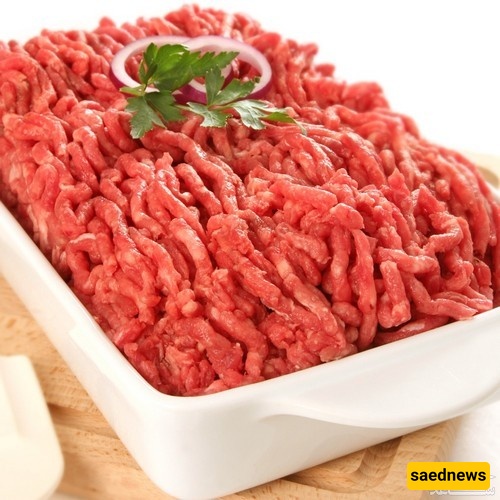
Ground beef should not be frozen at all. Because of its broken texture, released fats, enzymatic activity, and multiple handling processes, storing it in the freezer is not recommended.
For those who enjoy ground beef, it should be freshly ground and stored in the refrigerator for no more than three days. If frequent grinding of fresh meat isn’t possible, frozen red meat can be thawed, ground, and used as needed—but freezing already ground beef is strongly discouraged.
Unlike freezing, which should be done quickly, thawing should be slow and gradual. This allows water inside the meat to escape without damaging its structure or causing nutrient loss.
Safe thawing methods include:
Moving meat from the freezer to the refrigerator at least 24 hours before cooking
Using a microwave for defrosting, which does not harm its nutritional value
Running cold tap water (around 20°C) over the meat to remove small loose pieces
Placing pre-portioned frozen meat directly into a pot for cooking
Most spices have antimicrobial properties and are generally safe to add before freezing. Onions, however, should not be added for more than two to three days, as they can alter the meat’s texture, making it slimy.
Always label the packaging with the date the meat was frozen and use the oldest portions first.
Avoid frequently opening the freezer to maintain consistent temperature and humidity.
Store fresh meat in designated refrigerator compartments to prevent blood or raw meat juices from contaminating other foods.
By following these storage guidelines, meat will retain its protein and nutrients without degradation.