SAEDNEWS: Learn how to make chicory syrup at home, explore the potential benefits of chicory extract, and discover important precautions to keep in mind before using it.
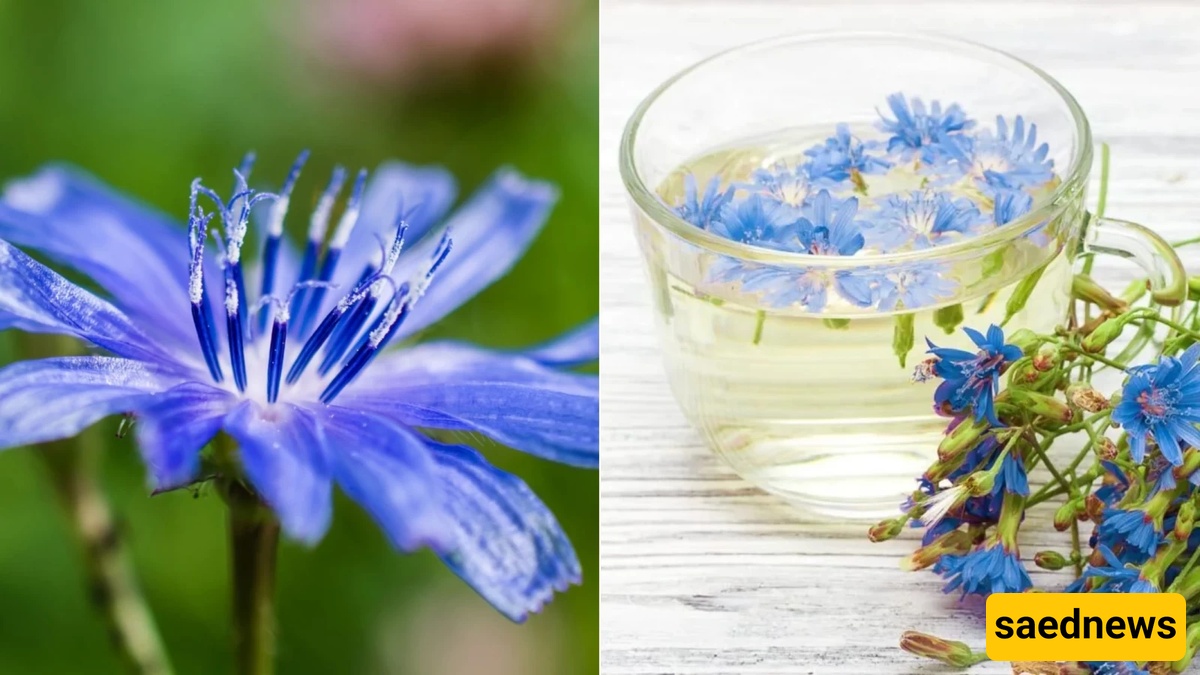
According to Saednews, More than 40% of people in Iran have reportedly turned to medicinal herbs at least once to address liver or digestive problems. One such herb, frequently mentioned in traditional remedies and grandmothers’ kitchens, is chicory. Imagine having a glass of chilled chicory syrup on the table on a hot summer day. It offers a refreshing taste and evokes a sense of wellness.
Before exploring the ingredients and preparation process, it is worth learning about chicory’s place in traditional and modern medicine.
Chicory is mentioned repeatedly in ancient medical texts, including The Canon of Medicine by Avicenna. Traditional physicians referred to it as a friend of the liver and believed that drinking chicory decoctions or syrup could help cool the body. Many people who grew up with traditional home remedies may remember their grandmothers using this plant during the summer months.
Chicory has not been used exclusively in Iran. In traditional Indian medicine, known as Ayurveda, its leaves and roots have also been recommended for various purposes. During the Middle Ages, Europeans reportedly used chicory to address digestive complaints.
This long history may explain why chicory water and chicory root powder remain popular in health-food stores today.
In Iranian culture, chicory syrup has traditionally been enjoyed as a cooling beverage. However, interest in the plant extends beyond its refreshing qualities, as it contains compounds that have also attracted scientific attention.
Now that we have explored chicory’s history and traditional uses, let’s look at the ingredients needed to prepare a simple homemade syrup.
The main ingredients are dried chicory leaves or roots, water, and a natural sweetener such as sugar or honey. For a different flavor, some people prefer honey instead of white sugar. In certain parts of southern Iran, a little rose water is also added to enhance the aroma and taste.
Honey adds a distinctive flavor to the syrup. However, it should not automatically be considered more suitable for everyone. People with diabetes should account for the sugar content of honey and other sweeteners and may prefer an unsweetened version.
This is the most hands-on part of the process: preparing the plant and extracting its flavor.
First, wash the chicory leaves or roots thoroughly and soak them briefly in water. Soaking may help soften the plant material and reduce some of its bitterness. The ideal soaking time depends on whether you are using leaves or roots.
Place the chicory leaves or roots in a saucepan with water and simmer for approximately 15–20 minutes. A longer cooking time may produce a stronger infusion, although excessive boiling can affect the flavor.
Once the mixture has simmered, strain the liquid through a fine-mesh strainer or clean cheesecloth to remove the plant material.
Allow the extracted liquid to cool before adding your preferred sweetener. You can also add a little fresh lemon juice or rose water for a more aromatic and refreshing flavor.
These additions give the drink a taste reminiscent of traditional Persian beverages.
Pour the prepared syrup into a clean, airtight glass bottle and refrigerate it promptly. For the best quality, use it within two to three days, unless a validated recipe or food-safety recommendation establishes a different storage period. Discard it if you notice unusual odors, changes in appearance, or signs of spoilage.
Chicory has a long-standing place in traditional herbal practices, particularly in Iran, where it is commonly associated with cooling beverages and digestive wellness.
However, traditional uses should be distinguished from established medical evidence. Chicory syrup should not be considered a proven treatment for liver disease, constipation, or inflammation.
Chicory is more than a simple leafy plant. Its roots and leaves contain several naturally occurring compounds.
Chicory root contains inulin, a soluble dietary fiber that can support bowel function and serve as food for beneficial intestinal bacteria. The plant also contains compounds such as lactucin and lactucopicrin. Chicory leaves provide vitamins, including vitamins A and C, although the amounts vary depending on the plant and preparation method.
Inulin may support digestive health, but its effects depend on the quantity consumed. Large amounts can cause bloating, gas, or abdominal discomfort in some people.
Although chicory has attracted interest for its potential digestive and other health effects, claims that chicory syrup cleanses the liver or treats constipation and inflammation are not firmly established. It is best regarded as a beverage rather than a substitute for medical treatment.

Before adding chicory syrup to your regular diet, consider a few important precautions. Like other medicinal plants, chicory may not be suitable for everyone.
People who experience digestive sensitivity may develop abdominal discomfort or other gastrointestinal symptoms after consuming chicory. Those with allergies to chicory or related plants, particularly members of the daisy family, should also exercise caution.
People with chronic low blood pressure, persistent diarrhea, or significant digestive problems should seek medical advice before using concentrated chicory preparations regularly.
If you have an underlying medical condition or take prescription medication, consult a healthcare professional before using chicory as a medicinal remedy.
Some traditional sources raise concerns about the possible effects of chicory preparations on uterine contractions. However, reliable evidence about the safety of medicinal quantities of chicory during pregnancy is limited.
As a precaution, pregnant women should avoid consuming large amounts of chicory syrup or concentrated chicory preparations for medicinal purposes unless their healthcare professional advises otherwise.
Evidence regarding the safety of concentrated chicory preparations during breastfeeding is also limited. Some reports suggest possible digestive discomfort in breastfed infants, but a causal relationship has not been established.
Breastfeeding mothers should seek professional advice before regularly consuming concentrated chicory preparations, particularly if they notice unusual symptoms in their infants.
Homemade chicory syrup is a traditional Iranian beverage that can be prepared with chicory, water, and optional sweeteners or flavorings. Its refreshing taste and cultural significance make it an appealing choice for warm weather.
Nevertheless, its traditional reputation should not be confused with proven medicinal benefits. Enjoy it in moderation, store it safely, and consult a healthcare professional before using concentrated chicory preparations to manage a health condition.