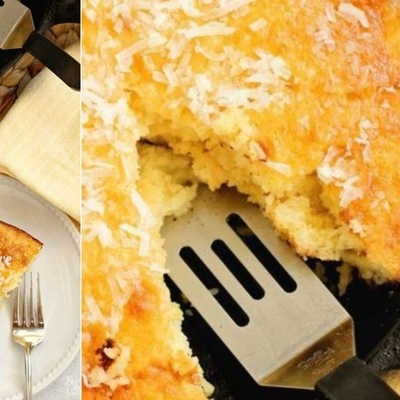
SAEDNEWS: Stovetop Coconut Cake: A Popular Homemade Cake Recipe Made Without an Oven, Using Just a Pot on the Stove.
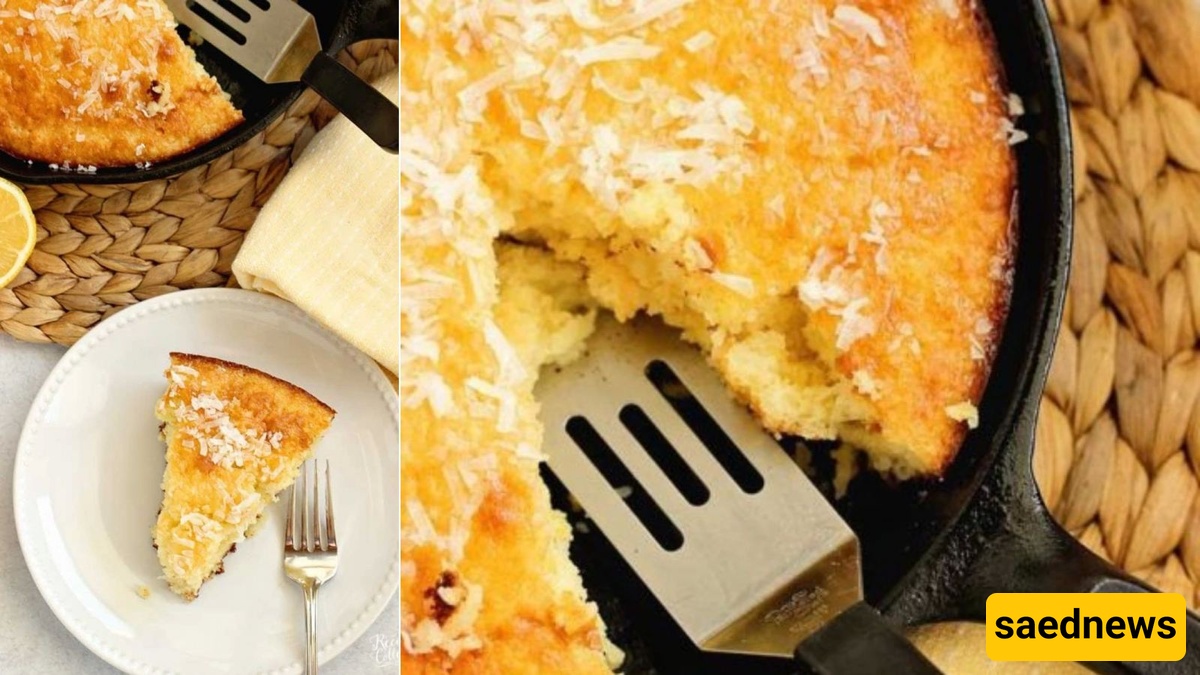
According to Saednews, Coconut cake made in a pot is a type of sponge cake that is cooked on a gas stove instead of being baked in an oven. In this method, a suitable pot acts as an enclosed, warm cooking environment, allowing heat to transfer indirectly to the cake batter. The result is a moist, soft, and tender cake. Although its surface may not brown as much as an oven-baked cake, its flavor and quality are just as enjoyable.
Coconut can be added to this cake in several forms, including coconut powder, shredded coconut, coconut flakes, or even coconut milk. Each ingredient gives the cake a slightly different aroma and flavor. You can also prepare this recipe as cupcakes or individual mug-sized cakes, making it ideal for small gatherings and children's snacks.
To make a delicious coconut cake in a pot, you will need the following ingredients:
Eggs: 6
All-purpose flour: 3 cups
Sugar: 1 cup
Vegetable oil: ½ cup
Desiccated coconut: 1½ cups
Baking powder: 1 tablespoon
Vanilla extract: as needed
Salt: a pinch
Milk or coconut milk: ½ cup, for a moister texture
Coconut essence: a few drops
Powdered sugar: for decoration
Coconut flakes: for garnish and added texture
Chocolate or cocoa powder: for a chocolate-coconut flavor
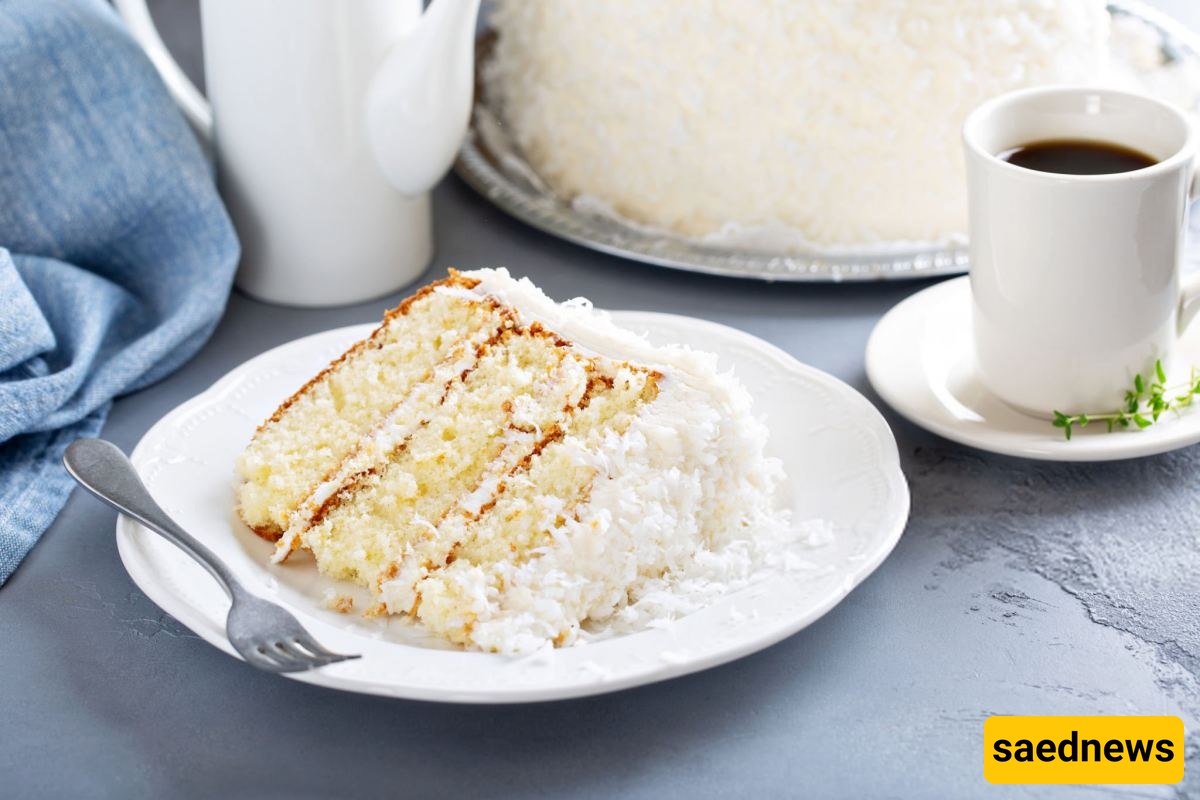
This guide covers the ingredients, required equipment, preparation method, essential tips, common mistakes, flavor variations, and storage methods to help you make a delicious, bakery-style coconut cake at home.
Choose a suitable, thick-bottomed pot. Place a metal trivet, a ring-shaped stand, or a small inverted heatproof rack at the bottom so that the cake pan sits above the base without touching it directly. This helps distribute the heat more evenly and prevents the cake from burning.
Prepare the pot lid as well.
Grease the cake pan and line its bottom with parchment paper. If desired, sprinkle a little desiccated coconut over the bottom of the pan to make the cake easier to release and enhance its coconut flavor.
Crack the eggs into a large bowl and add the sugar. Using an electric mixer, beat for approximately 5–7 minutes until the mixture becomes pale, fluffy, creamy, and thick.
This step is essential for achieving a soft, light cake, so do not rush it.
Add the vegetable oil and vanilla extract to the egg-and-sugar mixture. Mix gently until everything is well combined.
If desired, add a few drops of coconut essence to intensify the coconut aroma.
Combine the flour, baking powder, and salt, then sift the mixture two or three times. Sifting incorporates air into the dry ingredients and helps produce a lighter cake.
Add the desiccated coconut to the dry mixture and stir gently to combine.
Gradually add the dry ingredients to the egg mixture in several batches. Using a spatula or wooden spoon, gently fold the ingredients together with circular, bottom-to-top movements.
Avoid vigorous or prolonged mixing, as this can cause the cake to lose its volume. If the batter is too thick, add a little milk or coconut milk.
Pour the prepared batter into the greased cake pan and smooth the surface with the back of a spoon.
Gently tap the pan against the countertop two or three times to release any large air bubbles.
Place the cake pan inside the prepared pot. Set the pot over medium heat and cover it with the lid.
The heat must not be too high, as excessive heat can burn the bottom of the cake while leaving the center undercooked.
Cook for approximately 45–60 minutes. The exact cooking time will depend on the size of the pan and the intensity of the heat.
After 45 minutes, insert a toothpick or thin knife into the center of the cake. If it comes out clean, the cake is ready. If the batter still sticks to it, continue cooking and check again after a few minutes.
Once the cake is cooked, carefully remove the pan from the pot and allow it to cool slightly. Remove the cake from the pan and place it on a wire rack to cool completely.
Finally, decorate the cake with powdered sugar, coconut flakes, or melted chocolate.
Use room-temperature ingredients: Remove the eggs from the refrigerator about 30 minutes before preparing the cake.
Measure accurately: Use standard measuring cups, as estimating ingredient quantities by eye can affect the final result.
Choose the right flour: Cake flour or well-sifted all-purpose flour can help produce a lighter texture.
Maintain low, even heat: High heat can burn the bottom of the cake, so cook it patiently over a gentle flame.
Keep the lid closed: Avoid opening the pot during the first half of cooking, as sudden temperature changes can cause the cake to collapse.
Use a metal trivet: Keeping the cake pan away from the bottom of the pot helps prevent direct heat from burning the cake.
Cover the lid with a clean cloth: A clean cloth placed around the underside of the lid can help absorb condensation and prevent water droplets from falling onto the cake. Keep the cloth securely away from the flame and any hot surfaces.
Enjoy your soft, fragrant, homemade coconut cake without needing an oven!