SAEDNEWS: Questions that may arise include: How can we distinguish between different types of oils? What are the characteristics of a good frying oil, and which oils are most suitable for cooking? How should cooking oils be stored, and how long can they be kept before they expire?
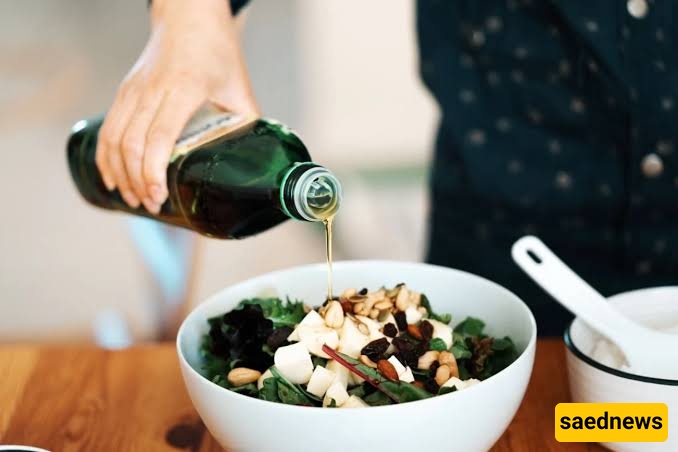
According to Saednews, Not all cooking and frying oils are equal when it comes to performance, aroma, and flavor. Some oils are more resistant to high temperatures and are ideal for frying, while others have exceptional flavor but perform poorly under high heat and may begin to smoke.
Olive oil is made by grinding olives and extracting the excess liquid. On a commercial scale, however, olive oil is processed using industrial machinery and advanced technology. The aroma of olive oil can also be neutralized using chemical solvents, which makes the oil lighter in color.
This type of oil has a smoke point of approximately 240–243°C, making it suitable for high-temperature cooking. If you enjoy the distinctive aroma and flavor of olive oil, naturally produced varieties are a better choice. Olive oil is not limited to cooking; it can also be used for household cleaning.
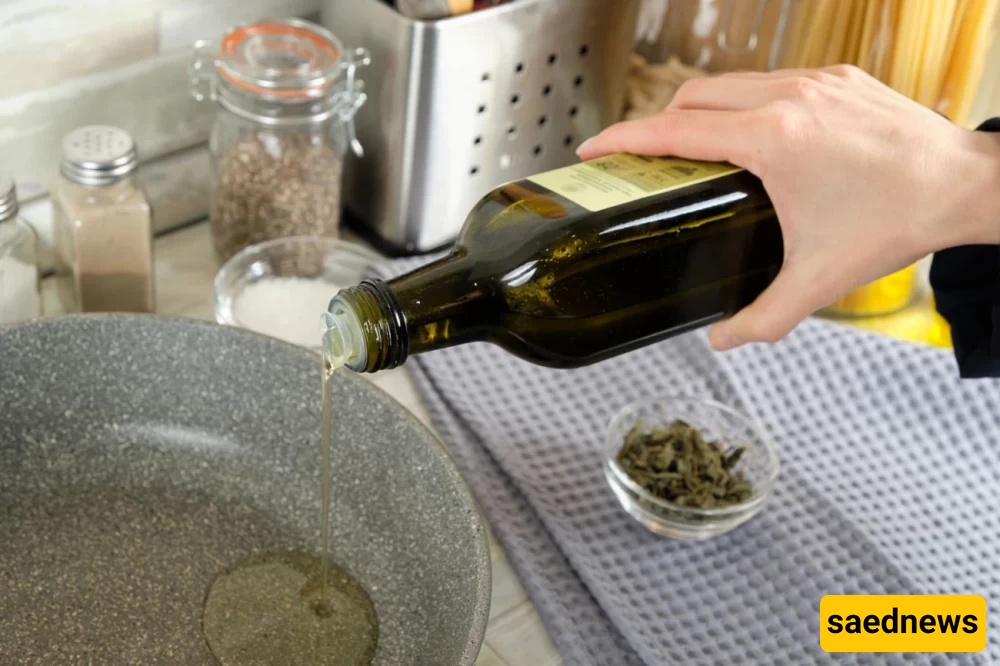
Extra virgin olive oil is produced by pressing olives without adding any additives. It has a stronger, more pronounced flavor and aroma and, depending on the type of olives used, may have a buttery texture and a fresh, herbal taste.
Its smoke point is around 162°C, which means it is generally not the best choice for high-temperature cooking. However, many people believe that eggs fried in extra virgin olive oil have an especially delicious flavor.
Peanut oil is light in color, with a pleasant aroma and a distinctive, rich flavor. It has a relatively short shelf life and can spoil quickly, so it should be stored in a cool, dry place and used within a few months. If you do not use much oil, it is better to purchase a small quantity.
With a smoke point of approximately 232°C, peanut oil is well suited to high-temperature cooking. It pairs particularly well with Asian-inspired dishes.
Palm oil is a saturated fat obtained from palm trees. It should not be confused with palm kernel oil, which is extracted from the seeds of a related plant.
Palm oil is semi-solid at room temperature and is sometimes used as an alternative to trans fats in commercial food production.
It is also effective for frying and has a smoke point below 232°C.
Refined corn oil is considered a suitable frying oil because it has a smoke point of approximately 232°C. It has a distinctive flavor and is often used in commercial kitchens because of its relatively low cost.

Coconut oil is completely solid at room temperature, which means it is not suitable for vinaigrettes or similar oil-based dressings. However, it works well for cooking over moderate heat.
When heated and melted, coconut oil develops a pleasant tropical aroma. Its smoke point is approximately 176°C, so it should not be heated beyond this temperature. Because chilled coconut oil has a texture similar to butter, it can also be useful in dairy-free baking.
Vegetable oil is generally made from a blend of several refined oils and has a neutral taste and aroma. Its smoke point is around 204°C, although this can vary depending on the oils used in the blend.
Because it does not have a strong flavor, vegetable oil works well for frying and other high-temperature cooking methods.
Canola oil is made from rapeseed and is similar to vegetable oil in terms of flavor, color, smoke point, and general cooking performance. Both oils can also be used in salad dressings.
Store canola oil in a cool place away from the stove to help maintain its quality.
Grapeseed oil has a light green color. Thanks to its relatively high smoke point of approximately 215°C, distinctive flavor, and versatility, it is popular among professional chefs.
It is also generally less expensive than extra virgin olive oil.
Avocado oil contains distinctive fats that are commonly regarded as beneficial fats, and it has a smoke point of approximately 271°C.
It is well suited to cooking and grilling and does not necessarily need to be refrigerated. Simply store it in a cool place away from direct sunlight.
When people ask which oil is suitable for cooking, sunflower oil is often one of the first answers. However, as discussed above, sunflower oil is certainly not the only suitable option.
Its smoke point is approximately 226–230°C, making it a very suitable frying oil. Sunflower oil can deteriorate faster than some other oils, so it should be stored in a cool place and ideally used within a year.
Sesame oil has a maximum smoke point of approximately 225°C and a relatively neutral flavor. It is a versatile oil that can be used for soups, grilling, and many other dishes.
It is rich in unsaturated fats and relatively low in saturated fat. Sesame oil is suitable for cooking and can add flavor without overwhelming the dish.
Soybean oil is a vegetable oil extracted from soybeans. It contains unsaturated fatty acids as well as natural antioxidants such as tocopherols.
It is suitable for cooking and is commonly used as part of a balanced diet.