SAEDNEWS: Margherita pizza is one of the world’s most famous and traditional pizza varieties, originating in Naples, Italy. If you’re looking for a simple yet incredibly flavorful and elegant pizza, keep reading to discover how to enjoy this classic Italian favorite.

According to Saednews, Margherita pizza dates back to the late 19th century. In 1889, a Neapolitan chef named Raffaele Esposito prepared three types of pizza in honor of Queen Margherita’s visit to Naples. The queen reportedly favored the pizza topped with tomatoes, mozzarella cheese, and fresh basil—the three ingredients reflecting the colors of the Italian flag. The pizza was therefore named after Queen Margherita.
Since then, Margherita pizza has become a symbol of Italian culinary identity. In 2017, the traditional art of Neapolitan pizza making was also recognized as part of UNESCO’s Intangible Cultural Heritage. To make this memorable pizza at home, you only need a few simple but high-quality ingredients.
The quality of the ingredients is especially important because this pizza uses only a handful of components.
Garlic: 1 large fresh clove
Olive oil: As needed, preferably high-quality extra-virgin olive oil
Fresh basil: 1 large bunch, about 20–30 leaves
Tomatoes: 400 g, preferably ripe and meaty varieties such as Roma or San Marzano
Salt and black pepper: To taste, preferably sea salt and freshly ground pepper
Pizza dough: 500 g, either store-bought or homemade
Flour: As needed for rolling and shaping the dough
Mozzarella: 85 g, preferably fresh and high-quality; regular pizza mozzarella can also be used
These quantities are enough for four medium-sized pizzas. Preparation takes approximately 30 minutes, while baking takes about 10 minutes.

The tomato sauce is the heart of Margherita pizza. Unlike the heavy, highly seasoned sauces often used on some pizzas, authentic-style Margherita sauce is light and simple, allowing the natural flavor of the tomatoes to stand out.
Prepare the garlic and tomatoes: Peel and finely chop the garlic. Place the tomatoes in boiling water for about 30 seconds, then immediately transfer them to cold water. This makes them easier to peel. Remove the skins and seeds, then chop the tomato flesh into small pieces.
Sauté the garlic: Place a small pan over medium-low heat and add a little olive oil. Add the chopped garlic and cook for about one minute, until fragrant and lightly golden. Be careful not to burn it, as burnt garlic will make the sauce bitter.
Cook the sauce: Add most of the basil leaves, reserving a few for garnishing, along with the chopped tomatoes, salt, and black pepper. Stir everything together and simmer gently for about 20 minutes, until the tomatoes soften and excess liquid evaporates.
Crush the tomatoes: During cooking, crush the tomatoes with the back of a wooden spoon until you have a smooth, thick sauce. Taste the sauce at the end and adjust the seasoning if necessary. Set it aside to cool. The sauce can also be prepared in advance and stored in the refrigerator for up to three days.
If you are using ready-made pizza dough, remove it from the refrigerator about 30 minutes before using it so it can reach room temperature.
If you prefer homemade dough, use a classic recipe made with flour, water, yeast, olive oil, and salt. For this recipe, half of a standard dough recipe should provide approximately 500 g of dough.
Divide the dough: Cut the dough into four equal portions and shape each portion into a ball.
Let the dough rest: Lightly dust the dough balls with flour and cover them with a clean cloth or plastic bag. Let them rest for about 15 minutes. This allows the gluten to relax, making the dough easier to stretch.
Shape the dough: Lightly flour your work surface. Using a rolling pin or your hands, stretch one piece of dough to approximately ½ cm thick. Ideally, the center should be slightly thinner than the edges so that the outer rim becomes nicely raised.
Place the shaped dough on lightly oiled and floured aluminum foil. This helps prevent sticking and makes transferring the pizza to the oven easier.
Add the toppings immediately before baking so the dough does not become soggy.
Tomato sauce: Spread a thin, even layer of tomato sauce over the dough using a spoon. Leave about 1–2 cm around the edge uncovered to create the crust. Avoid using too much sauce.
Mozzarella: Tear the mozzarella into small pieces and distribute them evenly over the sauce. If you are using fresh mozzarella stored in water, drain it thoroughly and pat it dry before adding it to the pizza to prevent excess moisture.
Basil and finishing touches: Add a few fresh basil leaves. Drizzle a little olive oil over the pizza and add salt and freshly ground black pepper if desired.
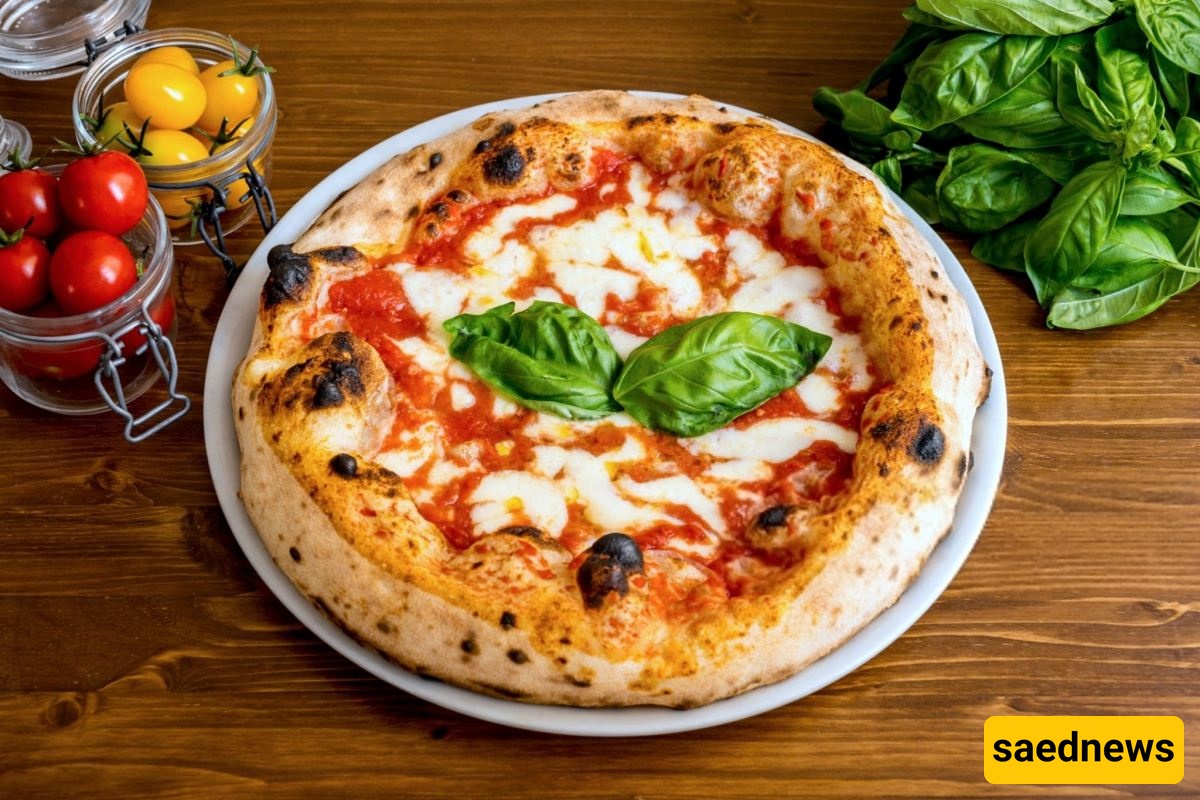
High-temperature baking is one of the secrets to achieving a classic Margherita pizza.
Preheat the oven: Heat the oven to 250°C (482°F). If your oven has a grill or broiler function, using both top and bottom heat can produce better results. Make sure the oven is fully preheated before baking.
Transfer to the oven: Place the prepared pizzas, still on their foil, onto a baking tray. Position the tray on the middle rack.
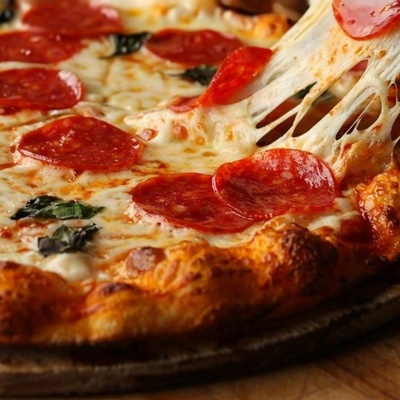
Bake: Bake for approximately 7–10 minutes, until the crust is golden and crisp and the mozzarella has melted and developed a little color. Avoid overbaking, as this can dry out the pizza.
If you have a pizza stone, use it for a more professional result, although a regular baking tray works perfectly well.
Finish and serve: Remove the pizzas from the oven and immediately add a few fresh basil leaves. Drizzle a little olive oil over the hot pizzas to enhance their aroma and flavor. Serve the Margherita pizzas hot and fresh.
Choose good tomatoes: Use ripe, flavorful, meaty tomatoes for the sauce. Bland or watery tomatoes can negatively affect the final result. If fresh tomatoes are unavailable, a good-quality canned variety, particularly San Marzano tomatoes, is an excellent alternative.
Use quality mozzarella: Fresh mozzarella, such as Mozzarella di Bufala or Fior di Latte, is the best choice. Its delicate flavor and creamy texture pair beautifully with this pizza. Processed sandwich-style or sliced mozzarella is less suitable for an authentic result.
Use fresh basil: Fresh basil provides a much brighter aroma and flavor than dried basil. You can add it before or after baking, although adding it after baking helps preserve its fresh fragrance.
Choose good olive oil: A high-quality extra-virgin olive oil can make a noticeable difference. Use a fragrant olive oil both in the sauce and as a finishing drizzle.
Give the dough time to develop: If you have enough time, prepare the dough 24 hours in advance and let it rest in the refrigerator. Slow fermentation gives the crust a deeper and more developed flavor.
Bake at the highest suitable temperature: The hotter the oven, the better the pizza will generally bake. If your oven can reach temperatures above 250°C, such as 280°C (536°F), use the higher temperature and shorten the baking time to prevent the crust from burning.