SAEDNEWS: Consuming leftover food, particularly when it has been improperly stored, may pose various health risks. As time passes, bacteria can grow in the food and release harmful toxins that can negatively impact digestion and overall well-being.

According to SAEDNEWS, Eating leftover food, especially when it has not been stored properly, can cause several health problems. Over time, bacteria can multiply in food and produce harmful toxins, which may affect the digestive system and overall health.
1. Food Poisoning
Leftover food can become a breeding ground for bacteria such as Salmonella, Staphylococcus, and Bacillus cereus. Eating contaminated food may lead to nausea, vomiting, stomach pain, diarrhea, and fever.
2. Digestive Problems
Consuming old food may cause bloating, abdominal discomfort, heartburn, and disruptions in normal digestive function.
3. Loss Of Nutritional Value
Some nutrients, especially heat- and oxygen-sensitive vitamins, may decrease during long-term storage and repeated reheating.
4. Formation Of Harmful Substances In Some Foods
Certain foods, especially cooked starches like rice and pasta, can provide suitable conditions for bacterial growth when stored improperly.
5. Negative Effects On Overall Health
Repeated food poisoning episodes may cause dehydration, weakness, fatigue, and an imbalance of essential minerals in the body.
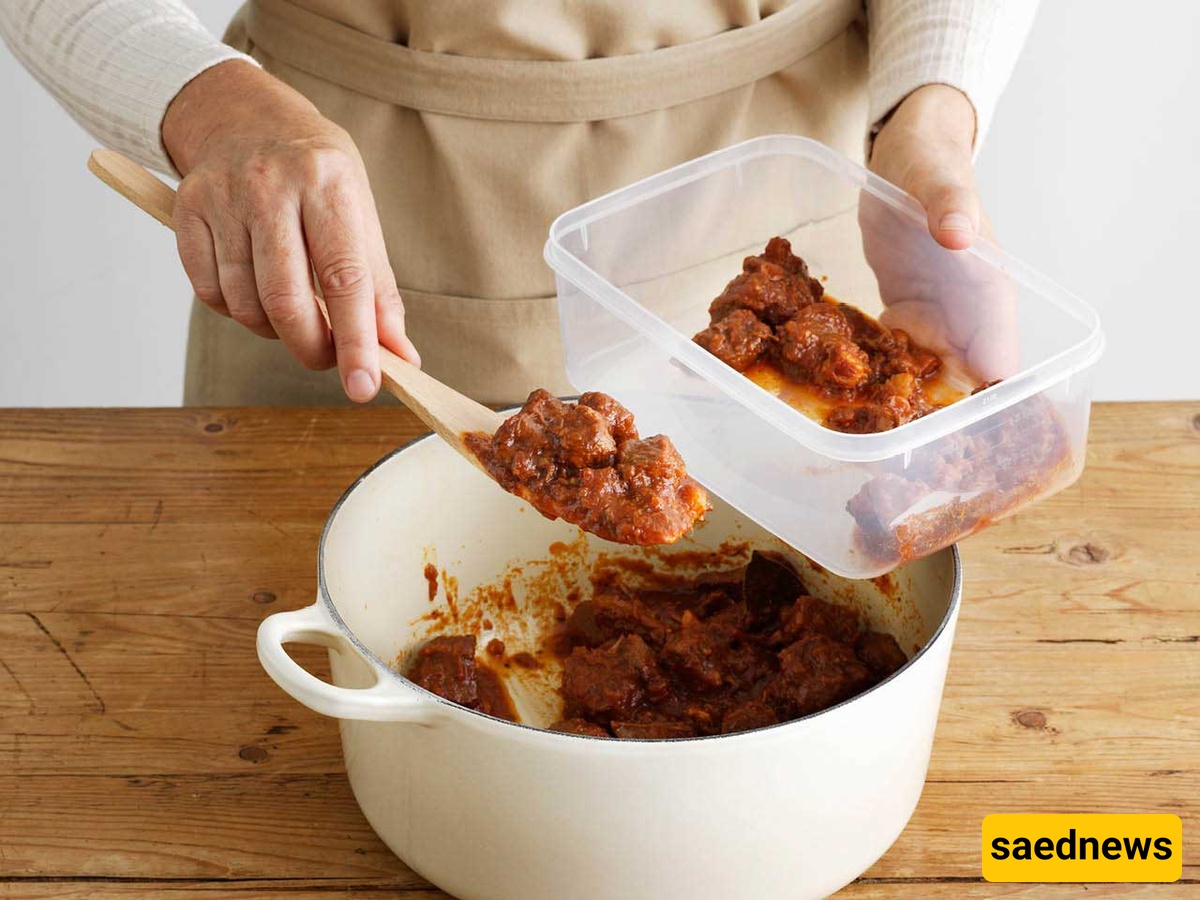
To reduce the risk, cooked food should be cooled quickly and stored properly in the refrigerator. Foods that have been left at room temperature for too long or have changes in smell, color, or taste should be avoided.