SAEDNEWS: Vermicelli rice noodles are a popular food item. Every 100 grams of the raw type contains 379 calories. In this article, you will learn about their calories, nutritional value, and the physical activity required to burn them.
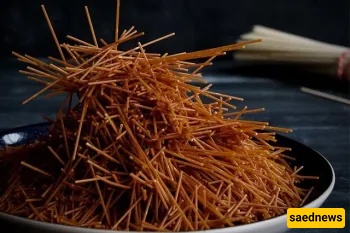
According to Saednews, Among flour-based wheat products, various types of noodles such as reshteh polow (rice noodles) and ash noodles are traditionally, semi-industrially, and industrially produced in Iran. From a nutritional standpoint, they are classified in the bread and cereal group.
Reshteh polow is a product made by mixing wheat flour (regular flour), water, and salt or sometimes without salt. After going through several processing stages, the dough is formed and then shaped using a machine into thinner strands than ash noodles. The wet noodles are then hung on ropes to dry.
In this article, we will introduce you to the calories and nutritional value of reshteh polow.
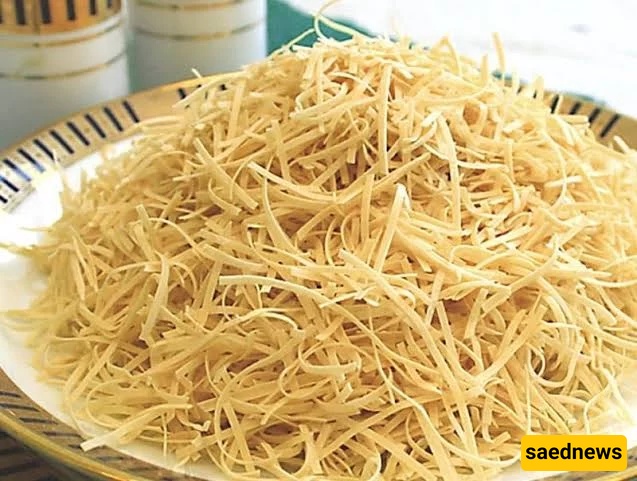
Each 100 grams of raw reshteh polow contains 379 calories.
Each 1 gram of cooked reshteh polow contains approximately 1.09 calories.
80 g carbohydrates
8 g protein
3 g fat
4 g fiber
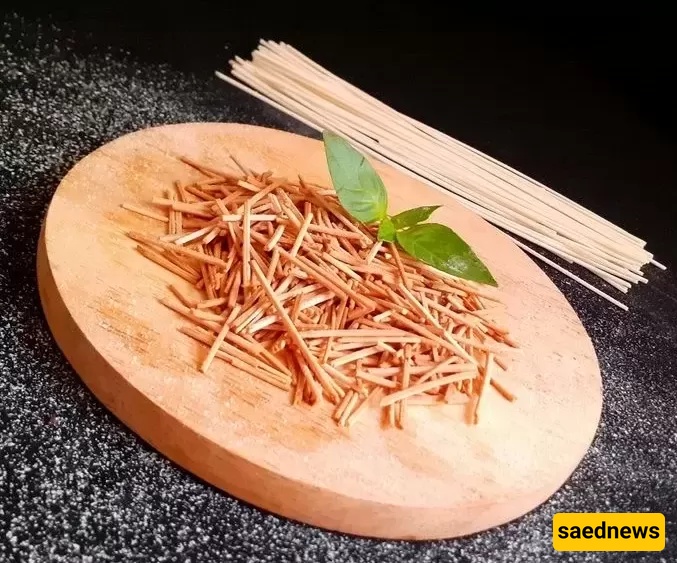
To burn the calories from reshteh polow, you would need approximately:
53 minutes of cycling
40 minutes of running
107 minutes of walking
92 minutes of cleaning
Most Iranian manufacturers produce whole wheat reshteh polow in organic and natural forms without any chemicals or preservatives. This has encouraged more people to include it in their weekly diet.
These noodles are made entirely from natural wheat flour without any added salt. They are available in various packaging sizes, allowing consumers to order the amount they need.
Their color is brown or dark cream due to the presence of wheat bran.
Many people eat whole wheat reshteh polow with rice or serve it plain, or alongside chicken, fish, or minced meat depending on personal preference.