SAEDNEWS: This article explains why electric shavers may pull or pinch the skin, what causes this problem, and how to prevent it with practical solutions.
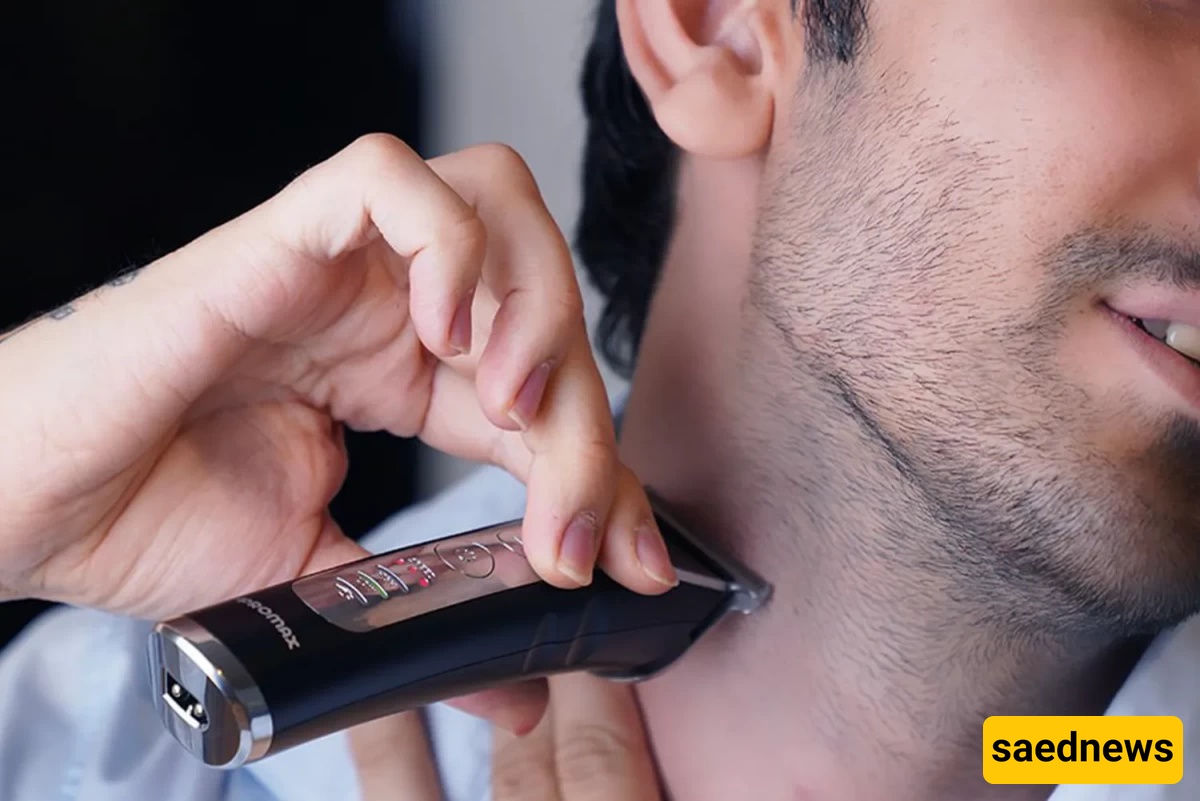
According to Saednews, Most men use electric shavers or beard trimmers to groom their facial hair. As a result, these devices are commonly found in households. However, during shaving, the blades may sometimes scratch, pinch, or cut the skin. This issue is commonly referred to as razor biting.
There are several reasons why an electric shaver may bite or irritate the skin. Fortunately, this problem can often be resolved by identifying its underlying cause and taking appropriate measures.
An electric shaver biting the skin occurs when its blades apply excessive pressure against the skin, causing minor injuries, cuts, or irritation.
This experience can be uncomfortable and may cause persistent discomfort until the damaged skin has healed.
There are several possible explanations for why an electric shaver pulls, pinches, or cuts the skin. Although this problem can be frustrating, it is generally easy to prevent or fix.
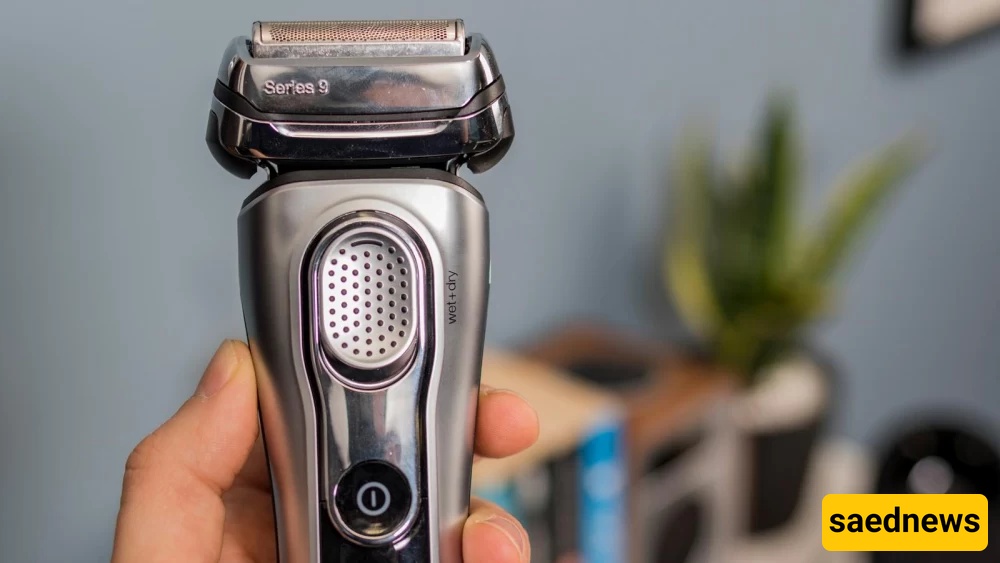
The most common causes include:
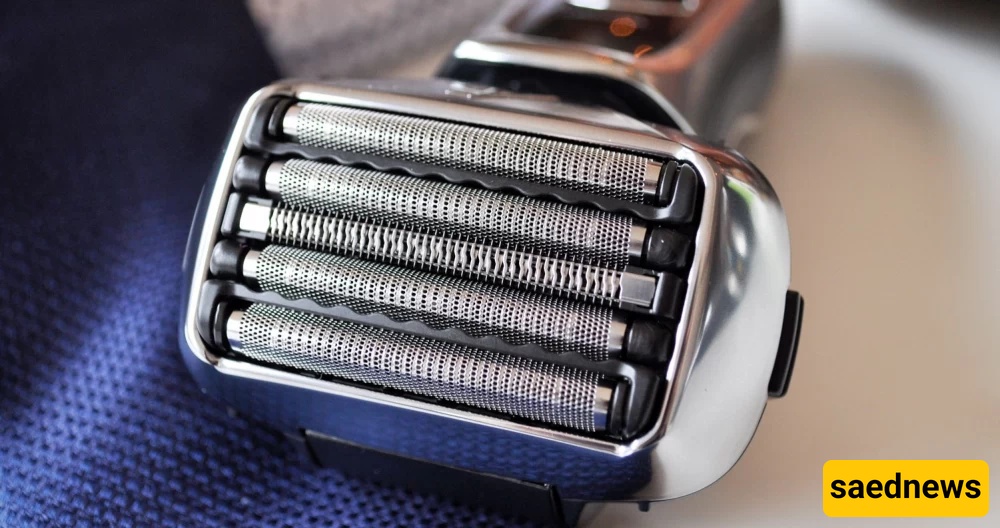
Over time and with regular use, electric shaver blades can become dull. When their sharpness and cutting efficiency decrease, they may fail to trim facial hair properly.
Instead of cutting the hair smoothly, dull blades may pull on the hair and irritate or damage the skin.
If dull blades are responsible for skin irritation or cuts, replacing them promptly is recommended. However, many electric shavers feature durable blades designed to maintain their performance for years.
Sometimes, shaver blades may not appear dull but still require periodic replacement.
Using an electric shaver for extended periods without replacing its blades can reduce its overall performance and increase the risk of skin irritation and injury.
Following the manufacturer's recommended blade replacement schedule can help prevent this problem.
One of the main reasons an electric shaver bites the skin is applying too much pressure while shaving.
Pressing the device too firmly against the face can cause the blades to irritate or injure the skin.
To prevent this, users should maintain the correct shaving angle and allow the device to glide gently over the skin without applying excessive pressure.
Another possible cause is the improper installation of the shaver blades.
If the blades are not correctly positioned, the device may fail to operate properly and can scratch, pinch, or cut the skin.
To resolve this issue, users should carefully remove the incorrectly installed blades and reinstall them in their proper positions, following the manufacturer's instructions.
A dirty electric shaver is another common reason for skin irritation and razor biting.
Hair clippings and debris can accumulate around the blades and shaving head over time. This buildup can interfere with the device's performance and potentially cause skin damage.
Therefore, regular cleaning is essential. Users should clean their electric shavers periodically to remove accumulated hair and maintain optimal performance.
Men with particularly thick or long beards may experience skin irritation or cuts when using an electric shaver.
This happens because some shavers may not have sufficient cutting power to handle excessively long or dense facial hair.
Instead of cutting the hair cleanly, the blades may pull on it, resulting in skin irritation and inflammation.
To avoid this problem, it is recommended to trim excessively long facial hair before using an electric shaver for a closer shave.
Sensitive skin is another possible factor contributing to razor biting.
People with naturally sensitive skin are more likely to experience irritation, redness, and minor injuries when their skin comes into contact with shaver blades.
Using a suitable shaving device and adopting a gentle shaving technique can help minimize these reactions.
Environmental conditions can also contribute to skin irritation during shaving.
Factors such as cold water, dry weather, and hot or humid environments may affect the skin's condition and increase its sensitivity.
If these conditions contribute to skin irritation, users should take appropriate steps to protect and moisturize their skin.
In most cases, razor biting is associated with dull or improperly installed blades, excessive shaving pressure, poor device maintenance, thick facial hair, or sensitive skin.
Identifying the exact cause is the first step toward preventing cuts and irritation and ensuring a smoother, more comfortable shaving experience.