SAEDNEWS: Elevated liver enzymes may be detected during a routine blood test. In most cases, liver enzymes rise slowly and temporarily. Most of the time, this increase in enzymes is a sign of…
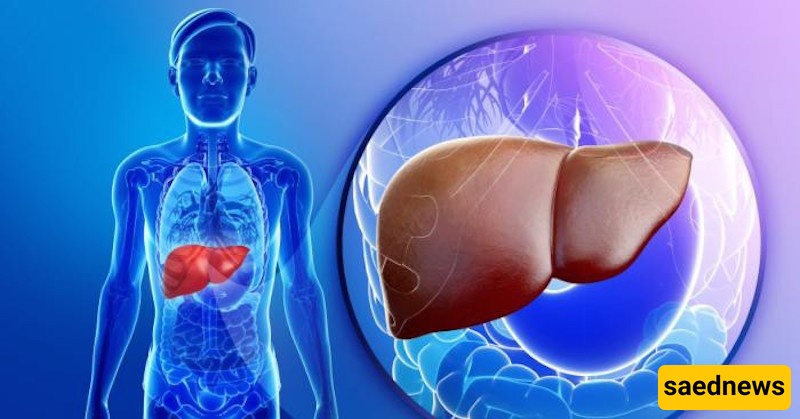
According to Saednews, medical reports, the most sensitive and widely used diagnostic liver enzymes are aminotransferases. These include aspartate aminotransferase (AST, also known as SGOT) and alanine aminotransferase (ALT, also known as SGPT).
Under normal conditions, these enzymes are located inside liver cells. When the liver is damaged, its cells release these enzymes into the bloodstream. Therefore, elevated levels of these enzymes in blood tests are an indicator of liver injury.
Aminotransferases catalyze chemical reactions within cells by transferring an amino group from a donor molecule to an acceptor molecule. This is why they are called “aminotransferases.” Another common term for these enzymes is “transaminases.”
Aspartate aminotransferase (AST) is also referred to as serum glutamic-oxaloacetic transaminase (SGOT), while alanine aminotransferase (ALT) is known as serum glutamic-pyruvic transaminase (SGPT). In summary:
SGOT = AST and SGPT = ALT
AST is naturally present in various tissues, including the liver, heart, muscles, kidneys, and brain. When any of these tissues are damaged, AST is released into the bloodstream. For example, its levels may rise during heart attacks or muscle disorders.
In contrast, ALT is primarily found in the liver. Although it is not exclusively present there, the liver contains the highest concentration of this enzyme. Because ALT is more liver-specific, it is considered a more accurate marker of liver damage.
ALT: ≤ 34 IU/L (women), ≤ 52 IU/L (men)
AST: ≤ 34 IU/L (women), ≤ 40 IU/L (men)
ALP (Alkaline phosphatase): 20–140 IU/L (both genders)
GGT (Gamma-glutamyl transpeptidase): 5–55 IU/L (women), 15–85 IU/L (men)
These ranges are approximate and may differ slightly depending on the laboratory.
Liver enzyme elevations are often detected during routine blood tests. In most cases, these increases are mild and temporary and do not indicate a severe or chronic liver disease.
Since these enzymes normally function inside liver cells, only small amounts are found in the bloodstream. However, when liver cells are damaged, they break down and release enzymes into the blood.
Doctors interpret these changes alongside other physical examinations and diagnostic tests, not just blood results alone.
Alanine aminotransferase (ALT)
Aspartate aminotransferase (AST)
Liver diseases often do not show obvious early symptoms and are frequently discovered during routine checkups or imaging tests such as ultrasound.
Possible symptoms include:
Fatigue and general weakness
Upper abdominal discomfort
Loss of appetite
Nausea
Enlarged liver
Yellowing of the skin, eyes, and nails (jaundice)
Sudden weight loss
Nose or gum bleeding
Vomiting or nausea
Fat accumulation in the liver may also cause weakness, poor appetite, and abdominal discomfort.
Common causes of liver disorders include:
Hepatitis viruses (A, B, and C)
Excessive alcohol consumption
Overuse of painkillers and medications
Severe liver damage can disrupt normal blood flow through the liver, causing blood to be redirected into other vessels. This may lead to complications such as blood in vomit or stool due to gastrointestinal bleeding.
Liver enzymes such as AST and ALT are essential markers for assessing liver health. While mild elevations are often temporary, persistent or significant increases require medical evaluation to identify underlying causes and prevent potential liver damage.