SAEDNEWS: Midwife: Walking in Water Is Completely Effective for Relieving Back Pain Due to Buoyancy That Reduces Body Weight
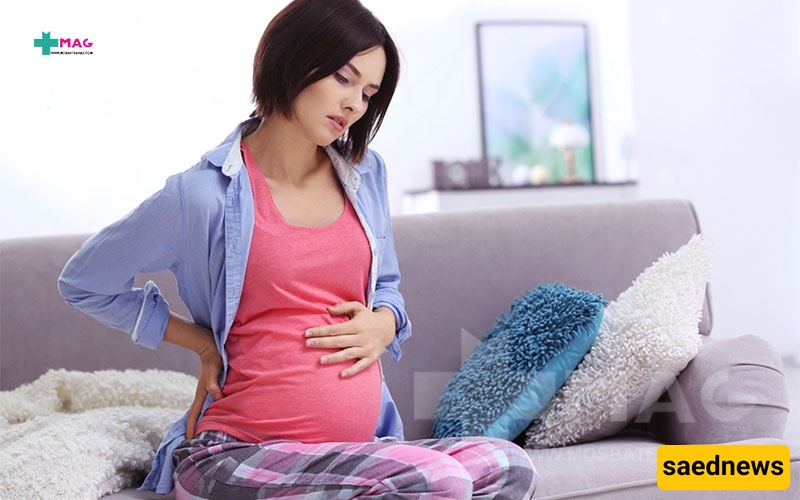
According to Saed News website, midwife Vida Setayesh explained that during the second and third trimesters of pregnancy, the weight of the uterus and fetus increases significantly. This added weight places extra pressure on the supporting ligaments and the spine. As a result, the curvature of the lower back increases and the mother’s body balance changes. These biomechanical changes put strain on the muscles and joints of the back, leading to pain.
She emphasized that maintaining correct posture while sitting, standing, and sleeping is essential to reduce this pressure.
Setayesh noted that back pain is usually more noticeable at night because the body is under daily physical stress, and symptoms become more apparent during rest. However, if daily activity is intense, the pain may also worsen during the day.
She added that back pain can be confused with pelvic pain, especially pubic-related pain (sacroiliac joint syndrome). During pregnancy, abdominal, pelvic, and back pain often occur together, making it difficult for mothers to precisely identify the source. Careful symptom evaluation and clinical examination are necessary.
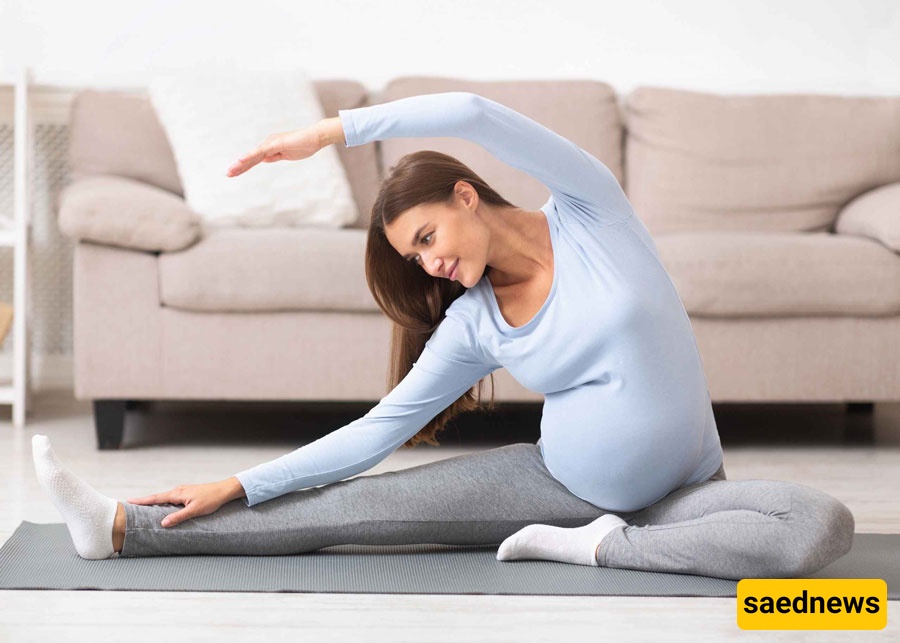
The midwife explained that the use of electric massage devices on the back during pregnancy is not permitted. She also noted that calcium and magnesium deficiency may contribute to bone pain, but their direct and definitive effect on back pain is not as clear as potassium deficiency, which is known to cause leg cramps, and requires further investigation.
She added that orthopedic insoles can be very helpful in reducing spinal pressure. Water walking is also highly beneficial due to water buoyancy, which reduces body weight and relieves back pain.
Setayesh further stated that pregnancy support belts can help by gathering abdominal weight and reducing pressure on the back. Additionally, using a small footrest while standing or performing light tasks can reduce spinal strain.
She emphasized that back pain is a natural and unavoidable part of pregnancy, and management should focus on reducing its severity rather than eliminating it completely.
The midwife explained that postpartum physiotherapy is strongly recommended for recovery and returning to normal physical condition. Although there is no 100% guarantee of full recovery, physiotherapy can significantly help strengthen pelvic floor muscles, correct posture, and reduce residual pain.