SAEDNEWS: In this article, we have examined various types of clothing and jewelry dating back thousands of years.

According to Saed News Agency, citing Faradeed, this article introduces some astonishing archaeological discoveries in the field of clothing and ornaments—from jewelry worn by Neanderthals to ancient socks designed to be worn with sandals.
Clothing has always been an inseparable part of human history, though its exact origin remains unknown. While determining the precise emergence of clothing is difficult due to the perishability of early textiles, analyses suggest that humans began wearing clothes at least around 170,000 years ago.
Archaeological discoveries provide fascinating insights into this ancient practice. For example, sewing needles date back about 40,000 years, and dyed fibers have been found that are approximately 36,000 years old.
In a 2015 announcement, scientists revealed a stunning discovery: the world’s oldest known decorative pendants—eight eagle talons found at a Neanderthal site in Croatia.
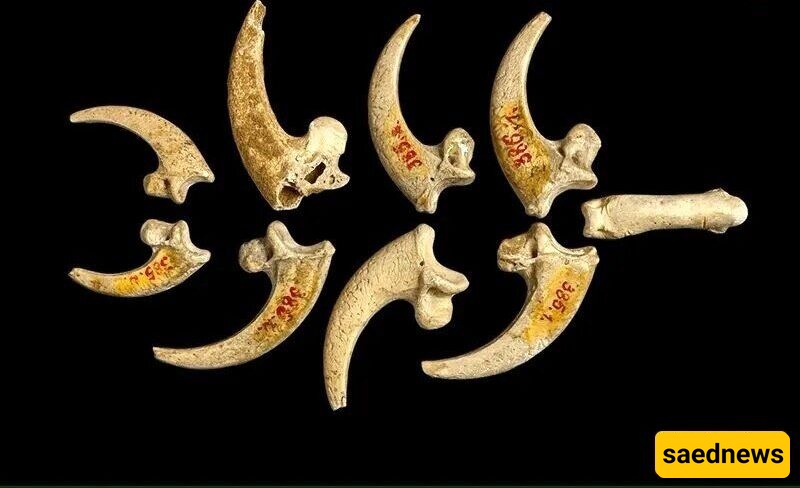
These talons, originating from at least three eagles, show intricate cut marks made for threading, as well as signs of polishing. This suggests they were used as part of a necklace or bracelet.
This discovery challenges the traditional view of Neanderthals as primitive beings and instead suggests a cognitively advanced society capable of symbolic and possibly ritual behavior.
Researchers believe the talons were selected for ceremonial purposes, indicating a complex understanding of symbolism among Neanderthals. Remarkably, these ornaments predate the arrival of modern humans in Europe, meaning Neanderthals likely developed this practice independently.
In 2014, the oldest known trousers in the world were discovered in the Yanghai tombs in China. Surprisingly, despite being 3,000 years old, they were remarkably well preserved.
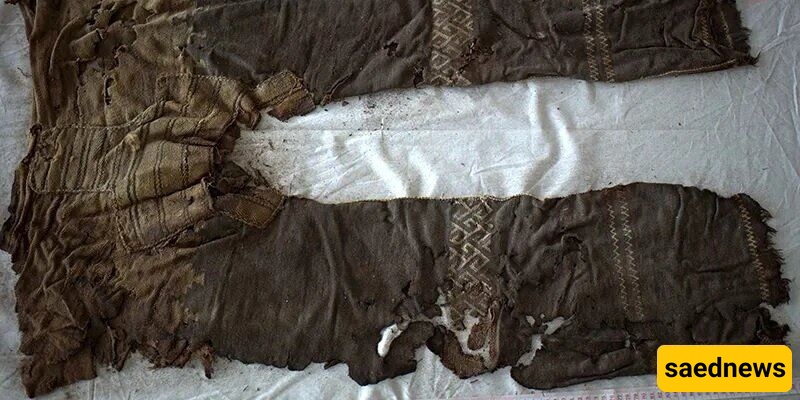
These trousers were likely made by weaving three separate fabric pieces for the legs and crotch, which were then stitched together. They also feature intricate geometric designs, suggesting both functionality and aesthetic value. Researchers believe they evolved among horse-riding tribes in the region around 4,000 years ago.
The oldest surviving socks date back to between 250 and 420 AD. Likely of Roman-Egyptian origin, they were discovered in the late 19th century in a burial site in an ancient Greek colony in central Egypt.

These woolen knitted socks are bright red and feature a unique split-toe design, often called “camel toe” socks. Researchers believe the design allowed them to be worn comfortably with sandals.
Often considered the oldest known shirt in the world, this linen garment was discovered in an ancient Egyptian cemetery near Cairo. Dating back to the First Dynasty or Old Kingdom period, it demonstrates early textile craftsmanship.
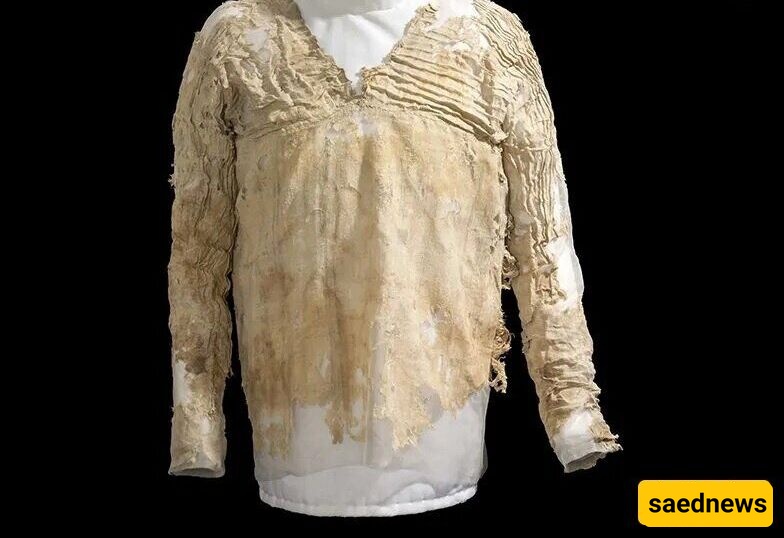
The shirt features pleated sleeves and visible wear patterns around the elbows and underarms, suggesting it was actually worn by an ancient individual.
In 1938, archaeologists at Fort Rock, Oregon discovered the oldest known footwear ever found.

These remarkable shoes, known as Fort Rock sandals, were made from woven bark and feature flat soles with toe coverings. Several pairs have been found, the oldest dating between 9,300 and 10,000 years old. They were likely secured by wrapping straps around the ankles.
In 2013, the world’s oldest jacket was discovered in a glacier in Norway—an ideal environment for preservation.
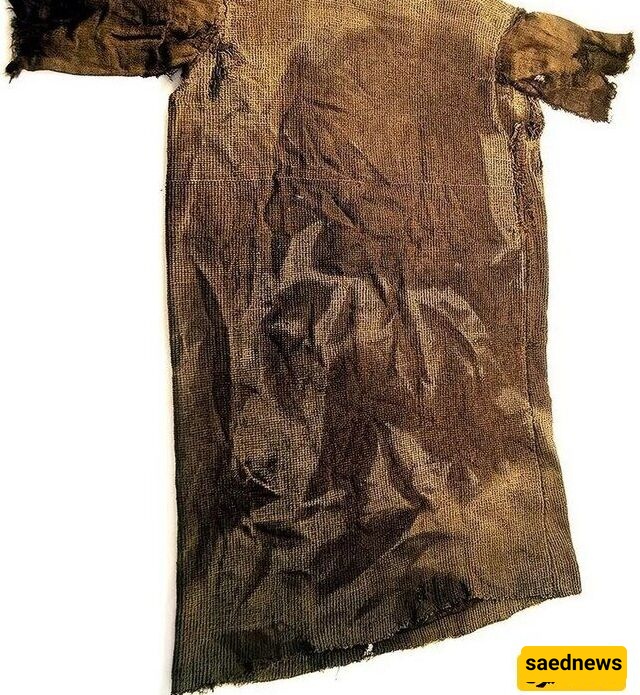
Made of sheep wool and brownish-green in color, the jacket appears to have been designed for a child around 1.5 meters tall. It shows signs of repair, indicating it was worn and reused over time.
In 2012, archaeologists discovered the oldest known bag in a burial site near Leipzig, Germany. Although the original material had decayed, it was decorated with more than 100 dog teeth.

The arrangement suggests a handbag-like design, reflecting a surprisingly sophisticated sense of fashion. Similar dog-tooth decorations have been found in jewelry of the same period, indicating a broader decorative trend.
The earliest known snow goggles were made from bone, leather, or wood and are associated with ancient Arctic cultures, ancestors of modern Inuit peoples.

One example, found on Baffin Island in Canada, was designed specifically to protect the eyes from snow blindness caused by bright sunlight reflecting off snow.
Only a fragment of this garment remains, but evidence suggests it was part of a woven reed skirt with a decorative border.

It is impossible to determine whether it was worn by a man or a woman. Nevertheless, it is considered the oldest known example of woven clothing.
Discovered in 1961 in a cave near the Dead Sea, this copper crown dates back to the Chalcolithic period (4000–3300 BCE).

The blackened copper crown is about seven inches in diameter and decorated with symbolic figures, including long-necked birds, gate-like shapes, and a T-shaped object. Researchers believe it was used in ceremonial or burial rituals for high-status individuals.