SAEDNEWS: Men’s Beards Through History: From Fashion Trends, Bans, and Taxes to a 500% Surge in Demand

According to SaedNews, citing Sarpoosh, beards have existed for as long as humanity itself. In some societies they are considered attractive, in others they have caused social or legal issues, and they require significant daily care and attention from men. On the occasion of World Beard and Mustache Day, this report gathers scientific and historical facts about this ancient phenomenon:
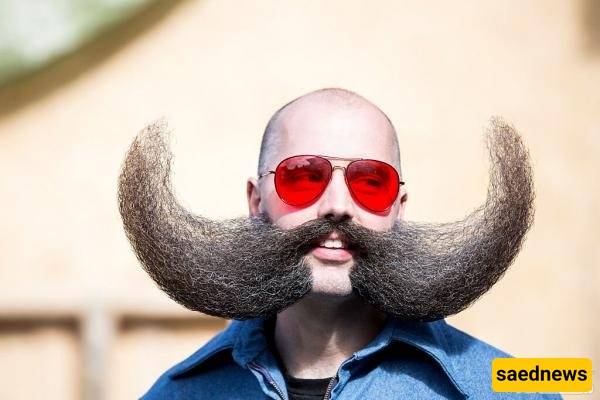
Grooming and maintaining facial hair is considered a specialized practice. Interestingly, there is also a recognized phobia related to beards: pogonophobia.

Historically, it is said that Peter the Great imposed a tax on bearded individuals. He attempted to discourage beards by charging people who wore them 100 rubles per year. Alexander the Great also reportedly prohibited his soldiers from wearing beards, believing they could be used against them in battle.

In medieval times, the situation reversed. Touching another man’s beard was considered highly disrespectful and could even lead to duels. Beards were so significant that kings sometimes attached strands of their own beards to wax seals on official letters.

Ancient Assyrian men decorated their beards by curling, dyeing, and adding gold dust. In Ancient Egypt, men also dyed their beards to indicate social status. Interestingly, queens sometimes wore false golden beards as symbols of authority.

A well-known story claims that Abraham Lincoln grew his beard after receiving a letter from a young girl suggesting he would look better with one. On the other hand, it is said that the CIA once considered plans involving thallium salts placed in Fidel Castro’s shoes to damage his beard.

The longest recorded beard in history reportedly belonged to a Norwegian man measured in 1927, reaching over 5 meters in length. On average, a man spends about 3,350 hours of his life shaving. In contrast, interest in beard transplantation has increased significantly in recent years, reportedly by around 500%.
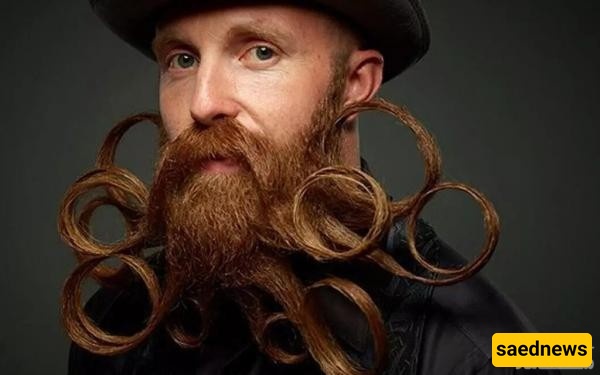
Facial hair tends to grow more during summer months. However, contrary to popular belief, shaving does not make hair grow faster or thicker. The only related observation is that beard hair may appear to grow slightly faster during the day than at night.
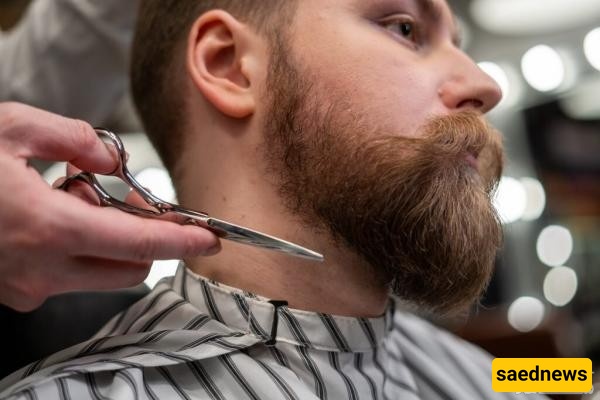
Beards can also have practical benefits. They may help filter allergens such as dust and pollen, since facial hair creates a protective barrier. However, beards can also trap more bacteria, making hygiene important.

Finally, there is even a global beard and mustache association that hosts international competitions every two years, producing entertaining and unusual images of participants and their styles.