Saed News: Twenty years after the discovery of the submerged city of Thonis, located 7 kilometers off the coast of Egypt, the remains of two temples dedicated to Amun and Aphrodite have now been uncovered in the city—revealing a treasure trove of ritual offerings.
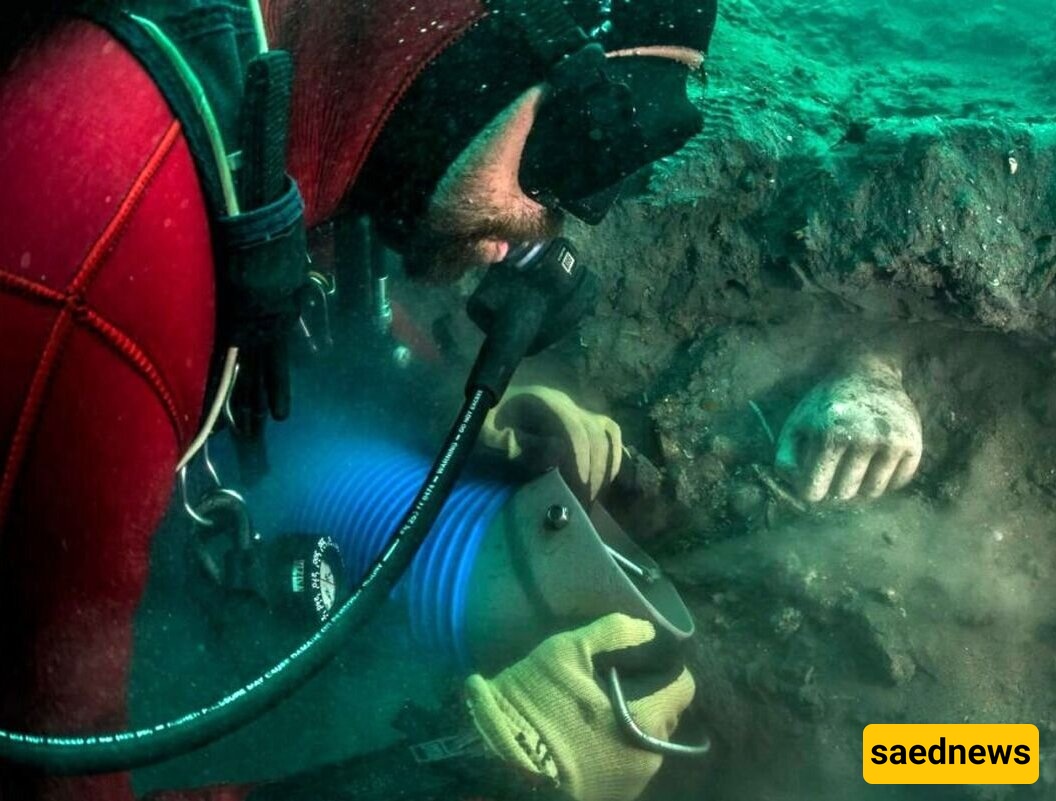
According to SAEDNEWS, citing Faradid, two temples belonging to the Egyptian god Amun and the Greek goddess Aphrodite were recently discovered in an ancient submerged city near Egypt’s coast. The discovery was made by an underwater archaeological team led by French archaeologist Franck Goddio and announced during a press conference by the European Institute for Underwater Archaeology (IEASM).
The team had originally discovered the ancient port city of Thonis-Heracleion in 2000 beneath the waters of Abu Qir Bay. Now, they have identified the ruins of temples in the southern part of the city.
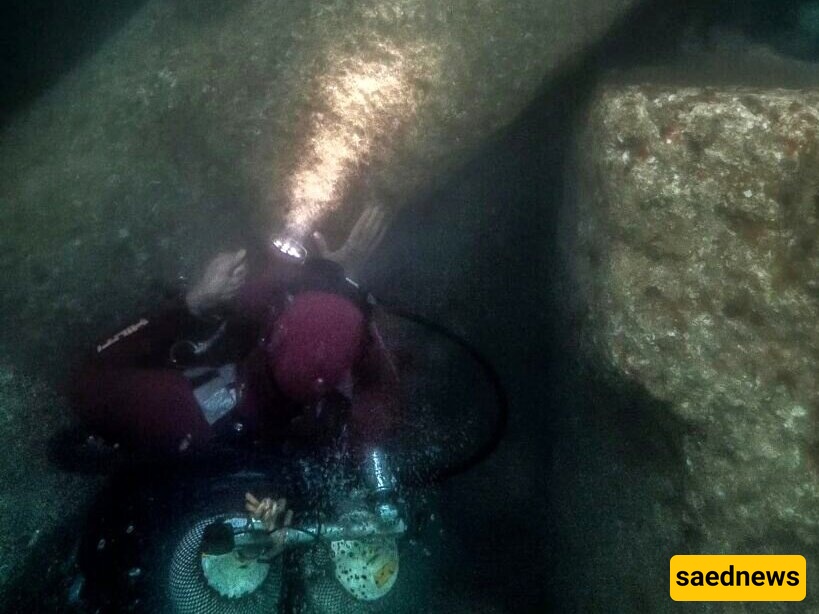
The ancient port of Thonis-Heracleion, now located about 7 kilometers from Egypt’s coastline, was the most important Mediterranean port of ancient Egypt for several centuries before the founding of Alexandria in 331 BC. The city eventually sank into the Mediterranean due to rising sea levels, earthquakes, and possibly land subsidence.
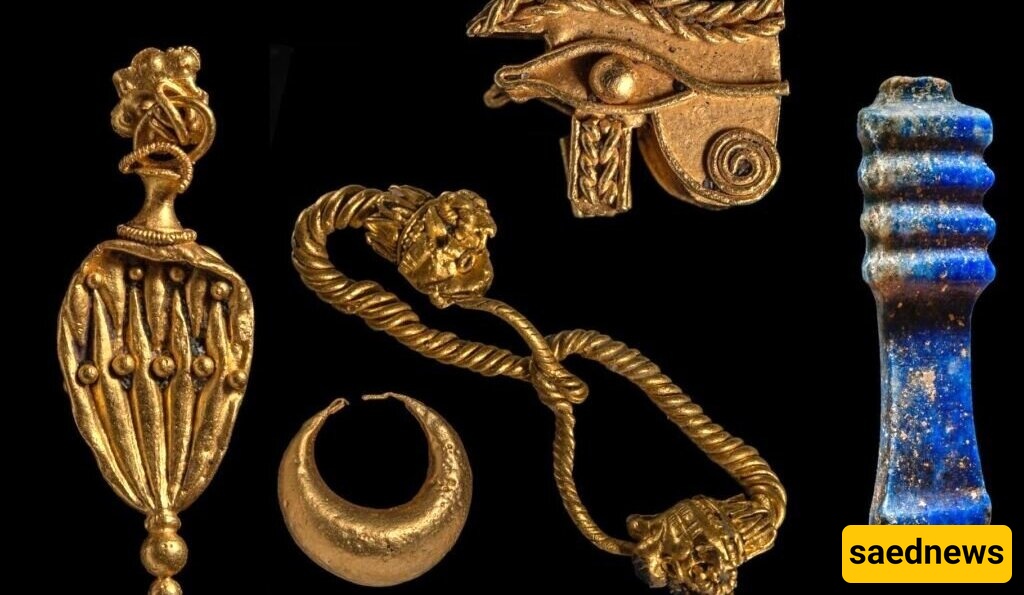
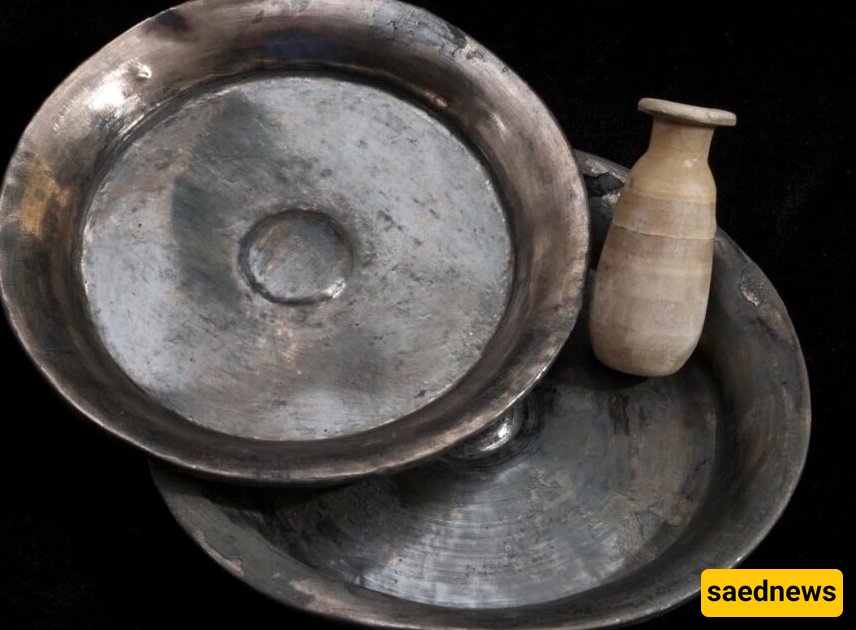
In the two newly discovered temples, archaeologists found highly valuable items that were likely part of temple treasures. These include silver tools and vessels used in rituals, gold jewelry, and finely crafted marble containers likely used to store perfumes and scented oils.
Some of the findings also indicate the presence of Greeks in this Egyptian port. According to a statement by the institute, “these discoveries reflect the great wealth of the temple and the extraordinary importance it held for the ancient inhabitants of the city.”
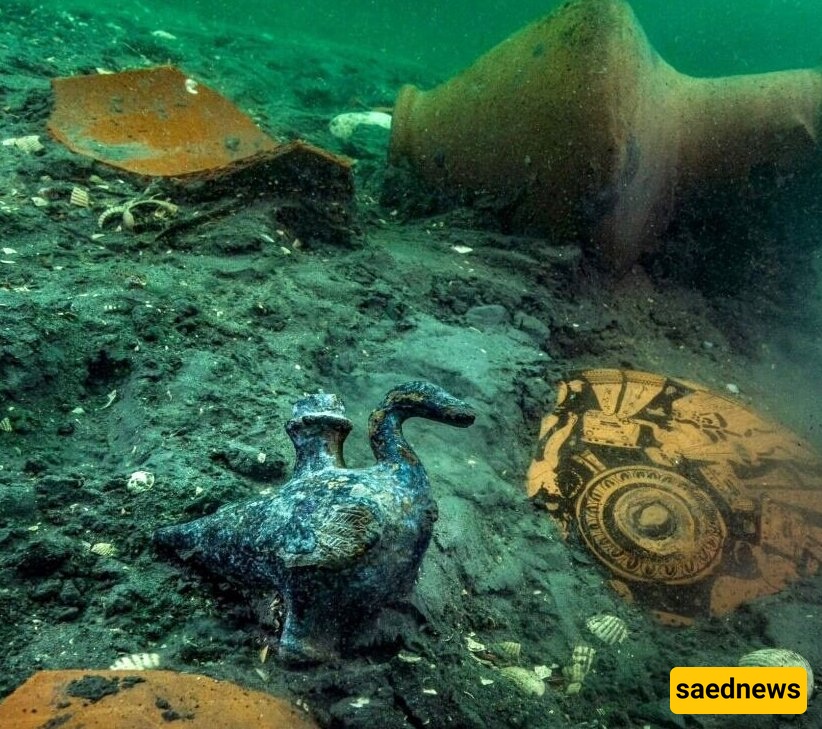
Excavations revealed that the structures were reinforced with wooden beams and stone columns—some of which have remarkably survived for over 2,500 years. Goddio described the discovery as exciting, noting how delicate objects remained intact despite natural disasters.
The Temple of Aphrodite was identified through the discovery of bronze objects and terracotta figurines, suggesting that Greek traders in Egypt were allowed to establish their own place of worship in the port.
This discovery was made possible through advanced technologies that enable archaeologists to detect hidden structures and objects beneath layers of sediment and mud.