SAEDNEWS: Archaeologists at the El Caño archaeological site in Panama have discovered a newly uncovered burial chamber containing a rich collection of ceramic objects and gold ornaments. The tomb dates back to approximately 800–1000 AD.
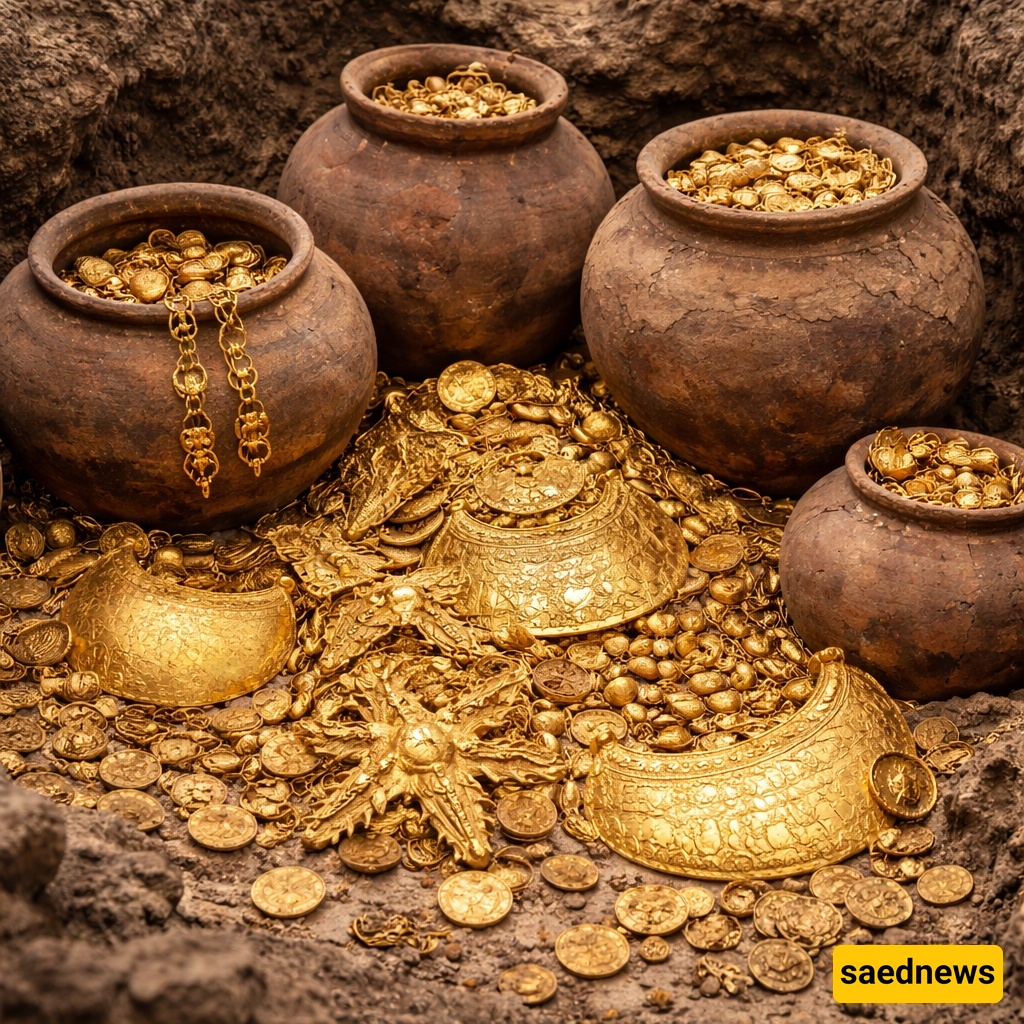
According to a report from Saed News’ Society Service, the existence of this burial site—known as “Tomb No. 3”—was first suspected in 2009, after archaeologists identified a large number of ceramic and metal fragments. However, a full excavation was not completed until this year. With the excavation now finished, the true structure and inner splendor of the tomb have been revealed.
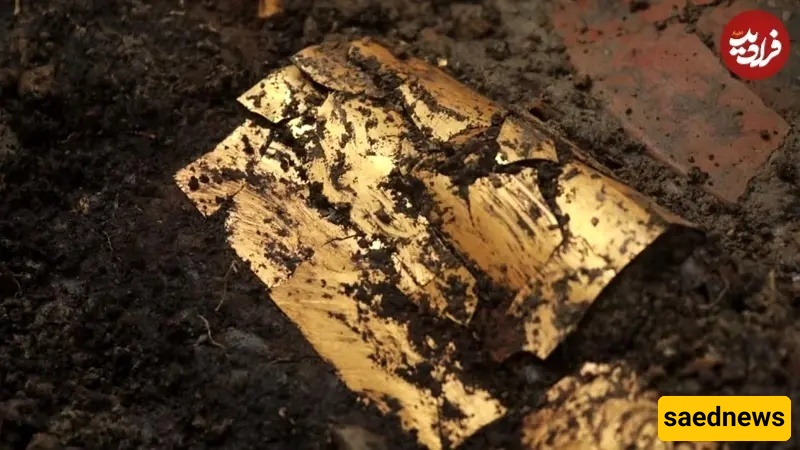
Inside the burial chamber, an impressive collection of funerary offerings and grave goods has been uncovered: delicate pottery and decorated gold ornaments, including earrings, bracelets, and large pectoral pendants featuring bat and crocodile motifs—designs that were highly common in the art and symbolism of the El Caño culture.
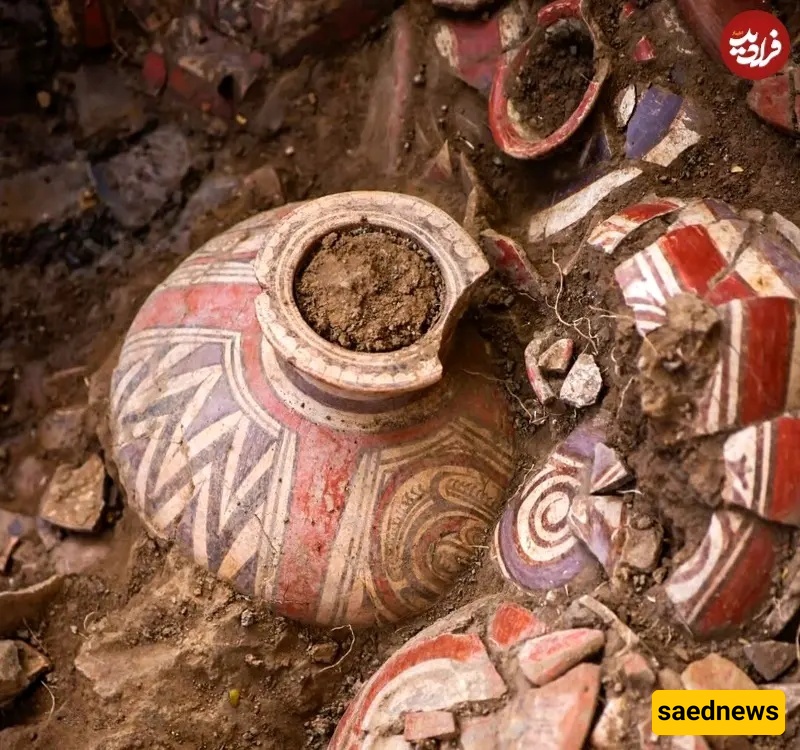
The site is a multi-person burial, with a central individual placed in the middle, surrounded by several other buried bodies. This section of the cemetery was reserved for the elite of the Coclé culture, and the central figure was likely a high-ranking individual, possibly from the ruling family or local leadership.
Coclé rulers accumulated elaborate and symbolic objects, but gold in these tombs was not used as currency or wealth in the modern sense. Instead, due to its brilliance and resistance to decay, it held religious significance as a symbol of immortality.
The El Caño archaeological site, located about 200 kilometers southwest of Panama City, was once a ceremonial complex belonging to the Coclé people. Previous discoveries of richly furnished tombs have led the area to be called the “Valley of the Kings of Panama,” even though a large portion of the cemetery remains unexcavated.
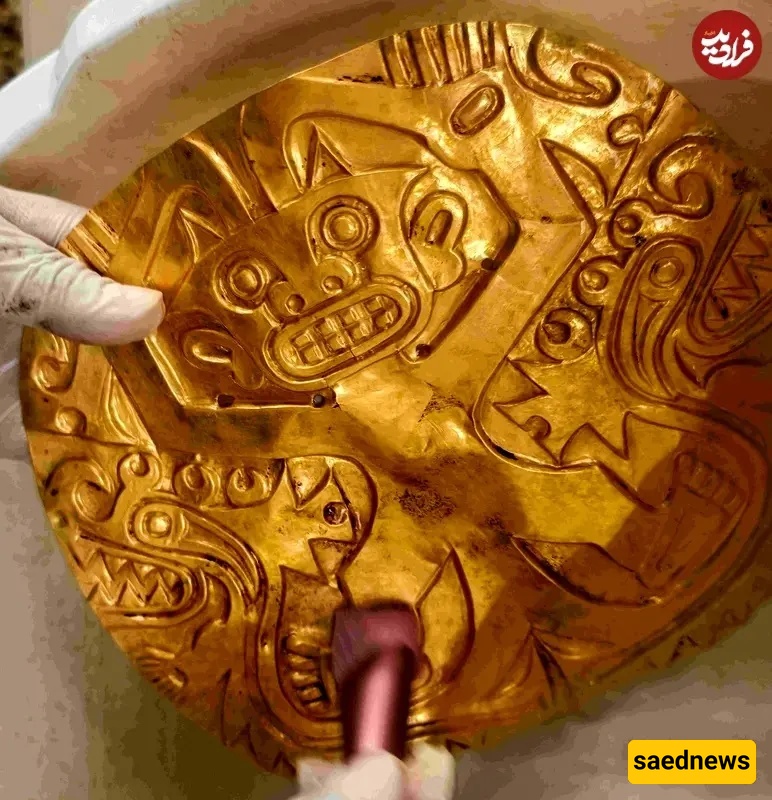
Findings from Tomb No. 3 challenge earlier interpretations about the development of complex local societies in the region. Evidence suggests that between the 8th and 11th centuries AD, highly organized communities existed here, capable of managing long-distance exchange networks and conducting large-scale rituals. This further establishes El Caño as one of the most important pre-Hispanic burial sites in the region.