SAEDNEWS: A major archaeological discovery has shed new light on the ancient city of Pelusium, once a crucial gateway between Egypt and the Eastern Mediterranean world.
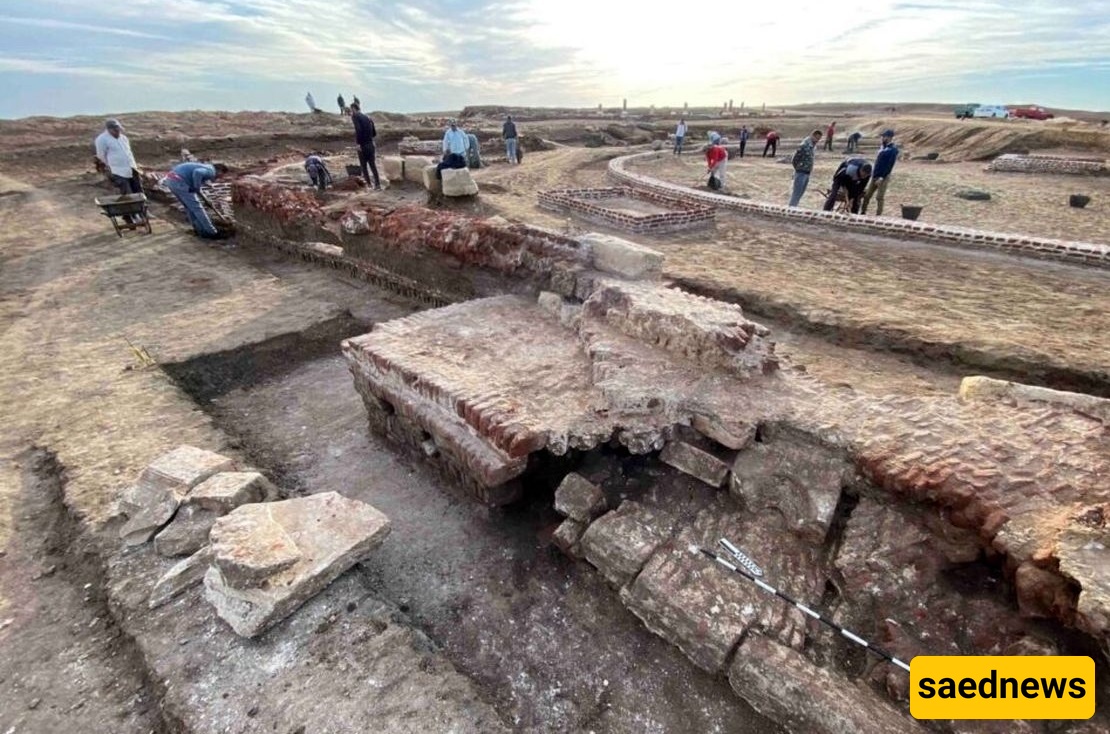
According to Saed News Society Service, this discovery—officially announced by Egypt’s Ministry of Tourism and Antiquities—has been described as a major scientific breakthrough. Researchers say the find significantly reshapes our understanding of the city’s religious landscape, indicating that alongside the well-known gods of ancient Egypt, more diverse belief systems also existed.
According to Faradeed, Pelusium was previously known mainly for its military and commercial importance. However, this new discovery shows that the city was also a center of distinct local religious rituals, offering a more complex picture of life along Egypt’s eastern frontier.
At the center of the newly uncovered structure lies a large circular basin approximately 35 meters in diameter, making it one of the most unusual temple designs ever found in Egypt. Unlike traditional temples, which were typically built along straight axes and ritual pathways, this structure is organized around an open water space.
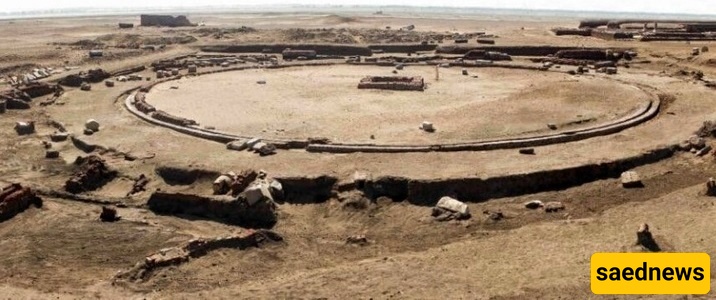
The basin was connected to a branch of the Nile River and was regularly filled with sediment-rich water. This system required sophisticated hydraulic engineering, suggesting that water here was not merely decorative but played a central role in the temple’s function. The presence of Nile silt in the basin confirms that rituals performed at the site were closely tied to natural cycles.
Researchers believe the name “Pelusius” is derived from the Greek word pelos, meaning “mud” or “clay.” This linguistic link suggests that the associated deity was connected to the fertile sediments of the Nile—materials essential for agriculture and survival in ancient Egypt. As such, the temple likely symbolized concepts such as fertility, rebirth, and the cyclical nature of life.
Surrounding the central basin is an advanced network of channels and reservoirs designed to control water flow and drainage. These features demonstrate a high level of engineering knowledge for the period and indicate that the temple was carefully designed for controlled water-based rituals.
The integration of hydraulic systems into a religious structure suggests that water played a central role in ceremonial practices. Archaeologists believe that rituals conducted at the site likely involved filling and emptying the basin, symbolizing purification, rebirth, or seasonal renewal linked to the annual flooding of the Nile.
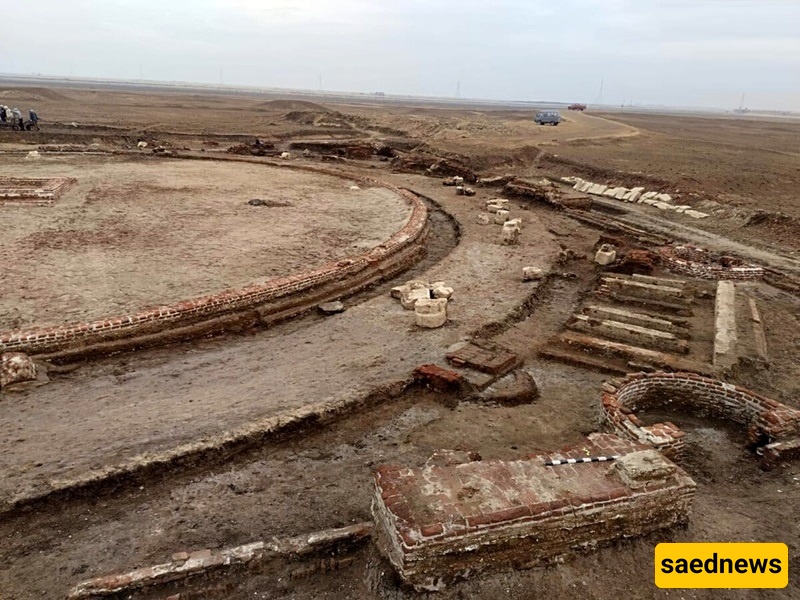
At the center of the basin, a square platform was likely used to hold the main statue of the deity. Its placement within the water suggests a symbolic idea of the god emerging from or presiding over life-giving waters. Several entrances from the east, south, and west provided controlled access to the sacred space, while the heavily damaged northern section reflects long-term natural and human impacts.