SAEDNEWS: Iran’s First Vice President Mohammad Reza Aref said trade between Iran and Tajikistan has increased by 50% in recent months despite the war imposed on Iran.
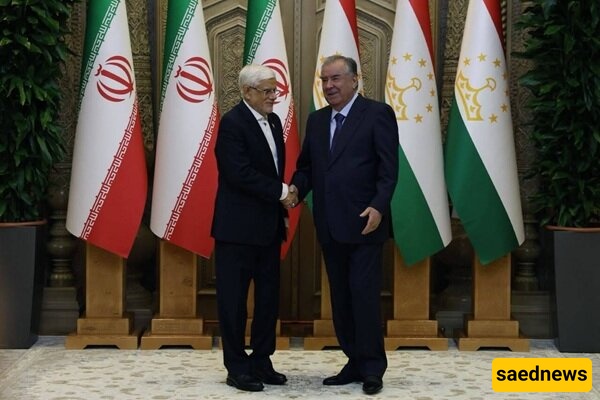
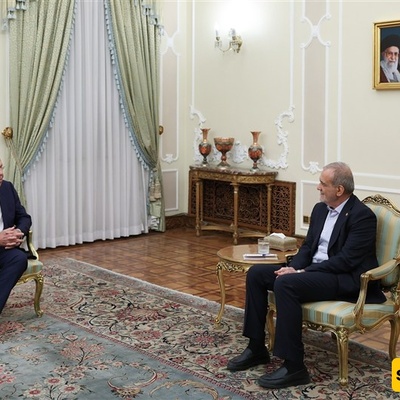
According to Saednews, Iranian Vice President Mohammad Reza Aref made the remarks during a meeting with Tajik President Emomali Rahmon, expressing gratitude to the Tajik government and people for their support for Iran during the Ramadan war. He emphasized the importance of shared historical, cultural and linguistic ties in strengthening bilateral relations.
Aref highlighted the deep civilizational bonds between the two countries, proposing the establishment of a joint high-level committee on Persian language, literature, culture and civilization to preserve their common heritage.
He noted that despite growing cooperation, significant untapped potential remains, particularly in economic and trade relations. He called for greater collaboration in science, technology, culture and tourism.
Aref reaffirmed Iran’s readiness to cooperate with Tajikistan in oil and gas exploration, petrochemicals and the export of petroleum products. He also welcomed Rahmon’s proposal for a South Pars–Afghanistan–Tajikistan energy corridor, describing it as a constructive initiative presented to Iran’s president.
He stressed Iran’s interest in expanding trilateral cooperation with Tajikistan and Afghanistan, highlighting opportunities for petroleum product exports to Tajikistan and assistance in connecting the country to the open waters of the Persian Gulf.
Regarding the Shanghai Cooperation Organisation (SCO), Aref described the organization as an important platform for linking regional security and stability with economic growth and stronger connectivity among member states. He called for greater cooperation in trade, transit, energy and infrastructure development.
He added that Iran and Tajikistan could strengthen coordination within the SCO on transit corridors, border security, counterterrorism, combating drug trafficking and developments in Afghanistan, while enhancing cooperation on shared regional challenges.
Aref also highlighted the scientific and technological capabilities of both countries, saying that the implementation of an agreement to establish a joint Iran–Tajikistan technology center could facilitate joint projects and expand technological cooperation. Both sides emphasized the importance of making the center operational.
On international affairs, Aref said Iran and Tajikistan had maintained constructive cooperation in international organizations and supported each other’s positions. He called for stronger coordination at both regional and international levels.
The meeting concluded with an emphasis on preserving Iranian culture and civilization and the shared heritage of Persian-speaking peoples, while expanding tourism, cultural exchanges, scientific collaboration and economic relations.