SAEDNEWS: These days, some politically bankrupt figures in the media are talking about the need to “end the war,” and now the same language has been echoed in the President’s remarks. But a simple yet fundamental question remains: Were we the ones who started the war, that ending it is in our hands?
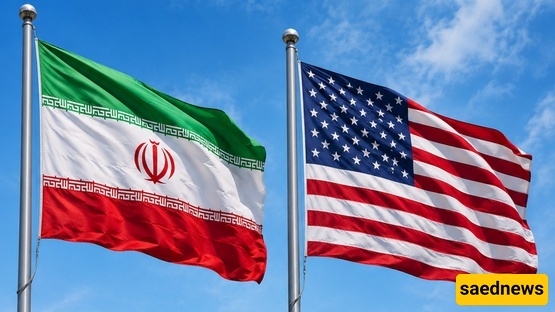
According to the political desk of Saed News, some politically discredited figures in the media have recently been speaking about the need to “end the war.” Now, similar language has also been repeated in the president’s remarks.
But a simple and fundamental question arises: Were we the ones who started the war that ending it is in our hands?
The enemy imposed the war. The enemy attacked, carried out assassinations, struck our facilities, and violated agreements. The Islamic Republic of Iran responded from a position of legitimate self-defense and with full strength, pushing the defeated enemy back.
Given this clear reality, what exactly does “ending the war” mean? Does it mean asking the aggressor to agree to a ceasefire? Does it mean accepting its demands and compromising simply to persuade it to stop its aggression?
This approach not only ignores the realities on the ground but also echoes arguments recently made by politically bankrupt and discredited groups. Ironically, many of these same figures previously promoted unrealistic optimism toward the enemy through their passive rhetoric.
More importantly, such weak and passive positions do not end wars. On the contrary, they may encourage the enemy to launch further attacks and aggression. History, the article argues, has shown that whenever Iran has appeared passive or willing to retreat, its enemies have become more emboldened and increased their demands.
A clear example, according to the article, can be found in the two most recent wars, which occurred during periods when Iranian officials showed the greatest willingness to negotiate and demonstrate flexibility. On both occasions, Iran was attacked while negotiations were taking place.
The enemy, the article argues, is like a wolf that senses weakness: rather than retreating, it launches an even harsher attack. Calling for an “end to the war” from a position of pleading or desperation sends the message that Iran is exhausted and eager to leave the battlefield. According to this view, that is precisely the kind of signal an enemy may exploit to increase pressure and prepare another attack.
The Iranian people, described as vigilant and politically aware, know the president as an honest figure and expect him not to be influenced by the rhetoric of failed politicians. Repeating seemingly peace-oriented but simplistic arguments, the article concludes, could damage public trust in the government while also signaling to the enemy that Iran is eager for a quick exit—potentially encouraging further hostile actions.