SAEDNEWS: Pakistan’s role as a mediator in regional negotiations is coming under renewed scrutiny after Islamabad joined a military pact with Saudi Arabia and Turkey. Critics argue that Pakistan’s growing security partnerships could make it harder for Tehran to view the country as a neutral intermediary.
According to SaedNews: Pakistan’s role as a potential mediator between Iran and other regional and international actors is facing renewed questions after Islamabad became part of a new military alignment involving Saudi Arabia and Turkey.
The debate has intensified around what critics describe as a contradiction between Pakistan’s diplomatic role and its expanding security relationships. At the center of the controversy is Pakistani Prime Minister Shehbaz Sharif’s highly favorable public remarks about U.S. President Donald Trump, alongside Pakistan’s participation in regional security arrangements involving Saudi Arabia and Turkey.
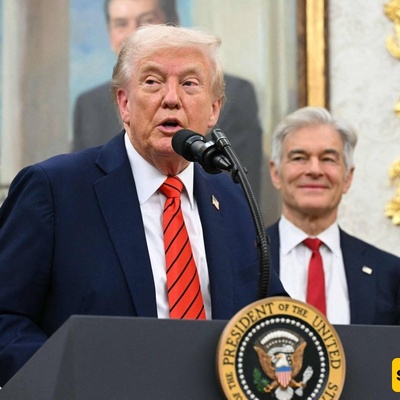
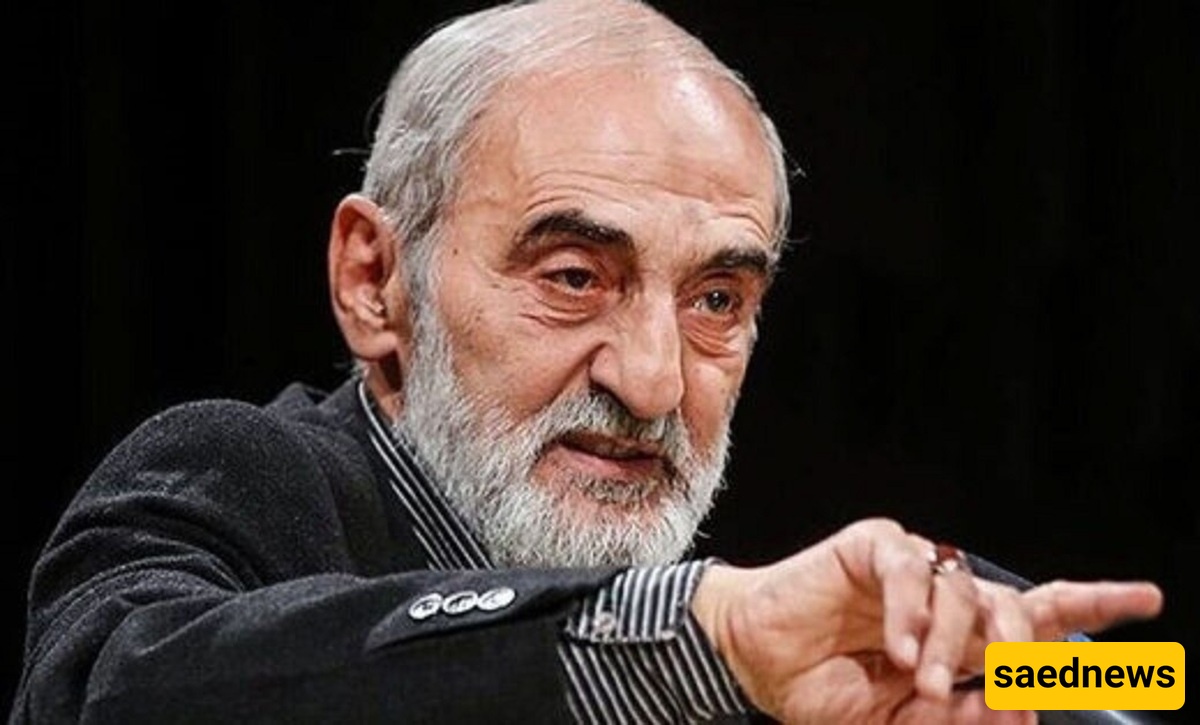
In a recent article titled “Point, End of the Line!”, Iranian commentator Hossein Shariatmadari highlighted remarks attributed to Sharif during a meeting with Trump. According to the account cited by Shariatmadari, the Pakistani prime minister credited Trump with preventing a potentially catastrophic escalation between India and Pakistan, describing his intervention in exceptionally positive terms and praising what he characterized as Trump’s contribution to humanity.
Shariatmadari uses those remarks to question whether Pakistan can simultaneously maintain close relations with Washington and participate in regional diplomatic efforts involving Iran.
The question has become more significant following the signing of what has been described as the Mecca military pact between Saudi Arabia, Turkey and Pakistan. Under the arrangement, an attack against one of the three countries is reportedly to be treated as an attack against all three.
The agreement has generated debate about the future shape of regional security. While its participants have presented the arrangement as a framework for collective security, critics in Iran view the development through a different lens, particularly because Saudi Arabia and Turkey have major strategic relationships with the United States and because of Pakistan’s separate security commitments.
Another development has added to the controversy.
According to the source article, representatives from more than 40 countries recently gathered in Riyadh around an arrangement focused on maritime security in the Red Sea and Bab el-Mandeb. Pakistan was identified as one of the participants. The agreement has been criticized by Iranian commentators who interpret efforts to counter Yemen’s Ansarullah movement as indirectly connected to broader regional pressure on Iran.
Ansarullah, meanwhile, has reportedly warned that it would not distinguish between Saudi Arabia and other countries participating in such coalitions if they became involved in military operations against Yemen.
These developments have placed Pakistan in a particularly delicate position.
Islamabad has previously been presented as a possible intermediary in diplomatic efforts following military tensions involving Iran, the United States and Israel. That role requires a degree of credibility with the parties involved. Yet critics argue that Pakistan’s expanding military cooperation with Saudi Arabia and Turkey, combined with its close relationship with Washington, could complicate perceptions of its neutrality.
Shariatmadari’s argument goes further. He questions whether a government that publicly praises Trump while participating in military arrangements viewed by Iranian critics as aligned with U.S. and Israeli strategic interests can credibly serve as an intermediary in disputes involving Tehran.
Those accusations remain political interpretations rather than independently established facts. The agreements themselves have been framed by their participants around security and defense cooperation, while their broader geopolitical implications remain a matter of debate.
The author also argues that the emerging regional coalitions may face serious limitations. In his assessment, assembling more than 40 countries around Red Sea security or creating a three-country defense arrangement does not automatically translate into the ability to achieve strategic objectives against Yemen’s Ansarullah movement or Iran.
Another part of his argument focuses on public sentiment and military attitudes inside several Muslim-majority countries. Shariatmadari claims that significant elements within the armed forces of Pakistan, Turkey and other countries sympathize with Iran and what he calls the “resistance front.” He further argues that this sentiment has expanded following recent regional wars.
These claims, however, are presented from the perspective of the article’s author and are not independently substantiated in the supplied material.
What makes Pakistan’s position particularly important is therefore not simply the military pact itself. It is the tension between two different roles: Pakistan as a diplomatic intermediary and Pakistan as a participant in increasingly complex regional security arrangements.
That balancing act could become even more difficult if tensions involving Iran, Israel, the United States, Saudi Arabia and Yemen continue to intensify.
For Tehran, the central issue is likely to be whether Islamabad can maintain enough diplomatic distance to be accepted as a credible channel for negotiations. For Pakistan, the challenge is equally significant: maintaining its strategic partnerships while preserving the trust required to play a mediating role.
The debate ultimately reflects a broader transformation in Middle Eastern geopolitics. Alliances are becoming more complicated, security partnerships are overlapping, and countries are increasingly trying to maintain relationships with multiple competing powers at the same time.
Pakistan now finds itself at the center of that balancing act. Whether it can remain both a security partner and a trusted mediator may depend on how its regional commitments evolve—and how Tehran, Washington and other regional capitals interpret them.