SAEDNEWS: If a person misses one rak‘ah of a congregational prayer, they should perform Tajafi while the Imam is reciting the Tashahhud.
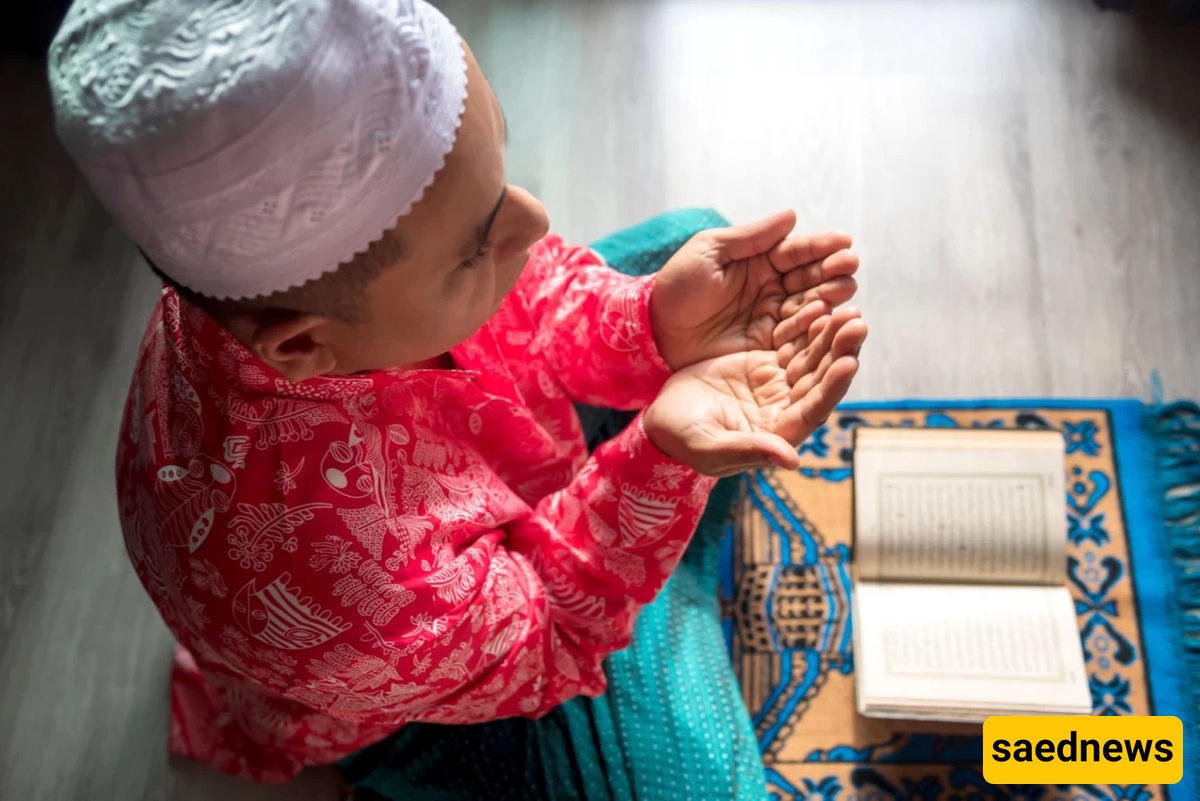
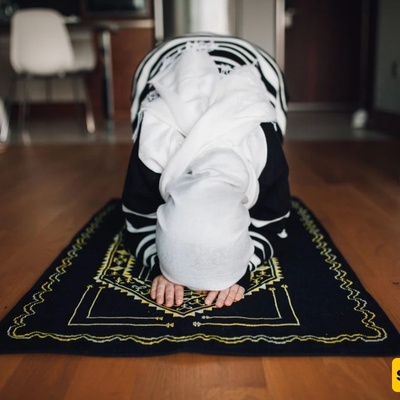
According to Saednews, Tajafi means placing the fingers of the hands and feet on the ground while raising the knees during the imam’s Tashahhud. In other words, it is a halfway sitting position—neither fully sitting nor standing.
Tashahhud in the Middle of the Prayer:
As a precaution, it is obligatory to sit in a half-rising position (tajafi) while reciting the tashahhud.
The Tashahhud and Final Salam of the Prayer:
The worshipper may stand up and complete the remainder of the prayer individually, or sit in the half-rising position until the imam says the final salam, and then stand up.
There are two situations:
First situation: During the first tashahhud, when the imam is reciting the tashahhud and a worshipper who joined the congregational prayer one rak'ah late must sit in the tajafi position. In this case, the worshipper has three options:
Remain silent.
Recite the tashahhud — this is considered preferable.
Recite an unrestricted dhikr.
Second situation: During the fourth rak'ah, when the imam is reciting the tashahhud and salam, the worshipper must sit in the tajafi position. During the tashahhud, they may choose one of the three options mentioned above. However, during the salam, they have two options:
Remain silent.
Recite an unrestricted dhikr.
The intention of unrestricted dhikr (dhikr mutlaq) means that the person should not intend it specifically as a prescribed prayer recitation. Unrestricted dhikr refers to forms of remembrance for which no specific instruction has been given to recite them at a particular point in the prayer. In other words, the person recites the dhikr simply with the intention of remembering God and attaining its reward, rather than intending it as a specifically prescribed recitation for that particular position in the prayer.