SAEDNEWS: Bark weaving is one of the traditional textile weavings that we will examine.
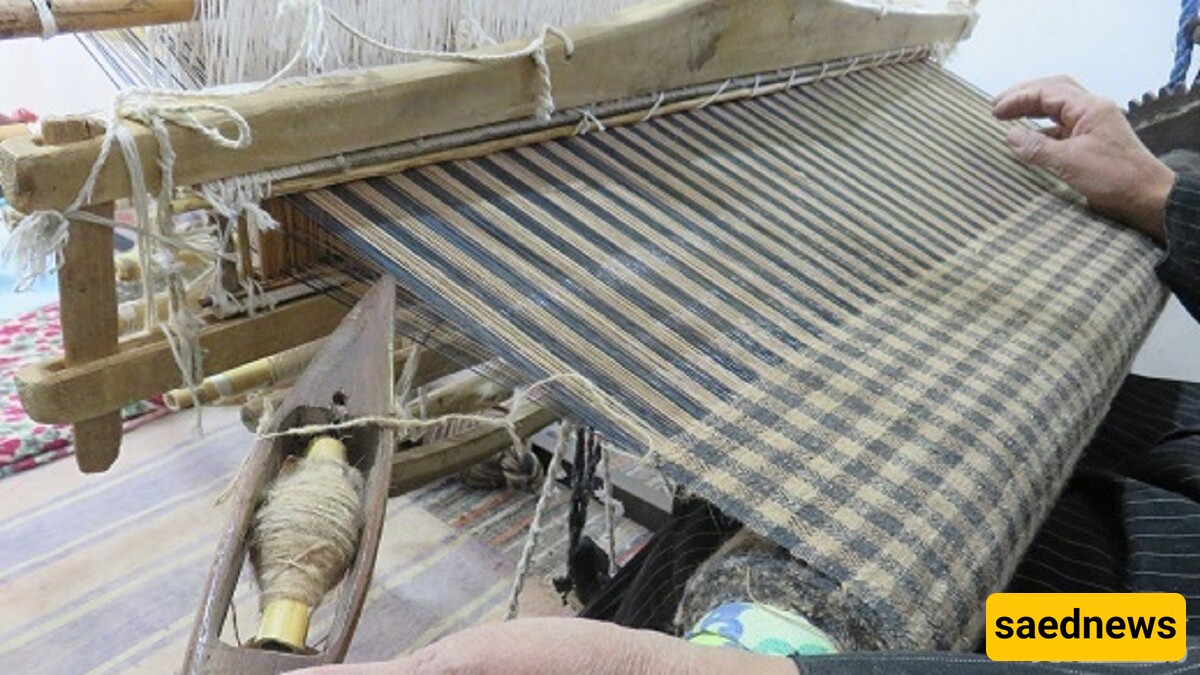
According to SAEDNEWS, Bavesh are an important part of Iran's handicrafts. These are weavings that are sometimes made with the simplest tools and the most basic raw materials, yet they become some of the most valuable handicrafts of Iran. Bark is a type of soft, sticky, and thick fabric woven by hand in Khorasan from camel wool or goat down. This fabric, considered one of the handicrafts of Khorasan, is primarily used for making winter garments.
The Art of Bark Weaving Bark is a thick, soft, and sticky fabric, which is called barkan in Arabic. Despite its softness, bark has a specific sturdiness, which is why it is often used for coats and cloaks worn by the men of Khorasan. Interestingly, according to the elders of Khorasan, the warmth of the thick and soft bark fabric helps reduce muscle pains and is also soothing for joint pains. In the past, it was mostly the dervishes who made cloaks and hats from bark, but over time, with improved quality, kings and rulers also wore cloaks and garments made of this fabric. Bark is typically self-colored and comes in shades of brown, black, white, cream, and gray. The main producers of this fabric are the regions of Bajestan, Gonabad, Ferdows, and Boshruyeh in Khorasan. While the fabric seems inexpensive, a finer variety called Shamshirik is produced, which is more delicate and beautiful. To make Shamshirik, the coarse bark fabric is placed in sheep brains and warm water for some time. Then, it is stretched with a comb and beaten with bone to remove excess hairs, resulting in a soft and warm fabric.
History of Bark Weaving Bark comes from the villages of the Nehbandan County in South Khorasan, and there are many historical stories related to bark weaving. The most famous of these stories is Timur Lang's visit to a bark weaving workshop in Boshruyeh, where he was astonished by the softness of their products. Today, bark is also woven from goat down. Mirza Ali Akbar Khan Nafisi Kermani, known as Nazem al-Atba, regarded Kerman's bark as one of the finest wool fabrics in Iran. Dr. Jakob Eduard Polak, a teacher at Dar al-Fonun during Amir Kabir's time, mentioned in his travel diary the use of bark as Iranian fabric for making clothing, stating that bark is made from camel wool.
Bark Fabric The process of weaving bark begins by treating the skin with lime to separate the down and hair. The down is then sorted by color and combed, after which it is re-carded and spun into yarn. Following steps like fulling, twisting, measuring, and binding the threads together, the yarn is placed onto the loom and woven. The fabric is then treated with egg yolk to give it a felt-like texture. Bark has specific softness and durability and is mainly used to make men's coats and winter overcoats.
Uses of Bark One of the most important uses of bark fabric is in the production of woolen and winter garments such as coats, scarves, women's shawls, and belts. In ancient Kerman, bark fabric had extensive use. One of the applications of bark was in Pateh embroidery. This region was one of the producers of bark, but with the decline of the Pateh and shawl weaving markets, this industry also lost its prominence. Boz Rayeni was the most important source of down used for Pateh and shawl weaving in Kerman. Today, sheep wool is used instead of goat down due to the rising cost of down.
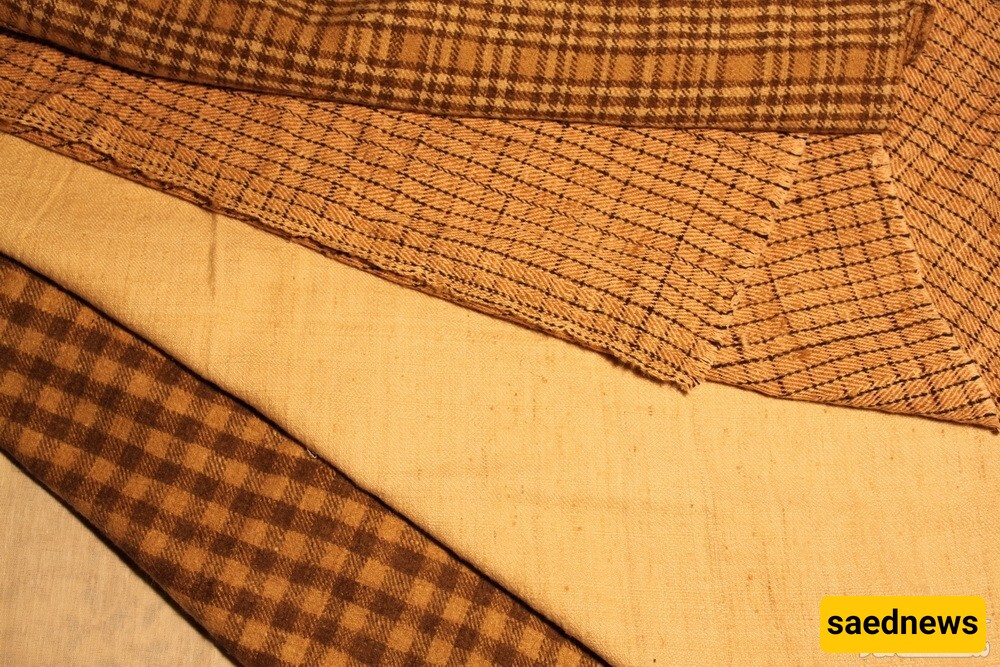
Final Thoughts Today, bark is rare in Iran. Bajestan, Gonabad, Ferdows, and Boshruyeh in Khorasan are the main production areas, with Kerman also producing it. The most famous types are found in the Hazari tribe of Boshruyeh (Khorasan), and currently, the main marketplace for bark is in Mashhad. Bark weaving has a historical significance in Khorasan and had a glorious era before the advent of machine-made textiles. However, with the introduction of machines in textile industries and mass production of fabrics at cheaper prices, bark production significantly decreased and could no longer compete with machine-made alternatives. Due to the labor-intensive production process, the high age of workers, increased material costs, and low wages, this art is on the verge of extinction. Most workers in this field have shifted to more prosperous crafts such as carpet weaving.