SAEDNEWS: Ghormeh-e Naneh: Tehran’s Royal Dish of the Qajar Era
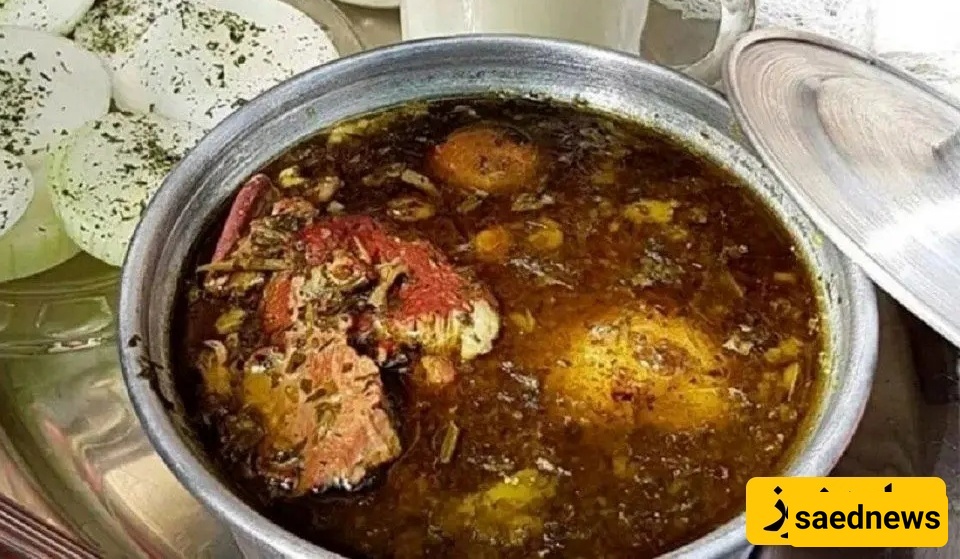
According to the social news section of Saed News, it wasn’t flashy in appearance, but its fragrant mint aroma and rich taste were renowned in the palaces and wealthy households. Ordinary people, when in high spirits, would prepare this quintessential Tehran dish for their families.
Qorme-Na’na was known as Tehran’s royal dish during the Qajar era. Hamid Shahinpour, a food researcher and historian, explains: “The use of meat, herbs, and spices—collectively known as ‘achar’ in the Qajar period—formed the foundation of Qajar cuisine. Yet among the wide variety of dishes of that era, Qorme-Na’na was the one that delighted both heart and palate. The braised meat, in a time before refrigerators, was carefully prepared by the skillful hands of the cook. The method of cooking the meat and the fat coating it multiplied the pleasure of the dish.”
A combination of fresh and dried mint with braised meat created a flavor that perfectly suited the tastes of the Qajar court.
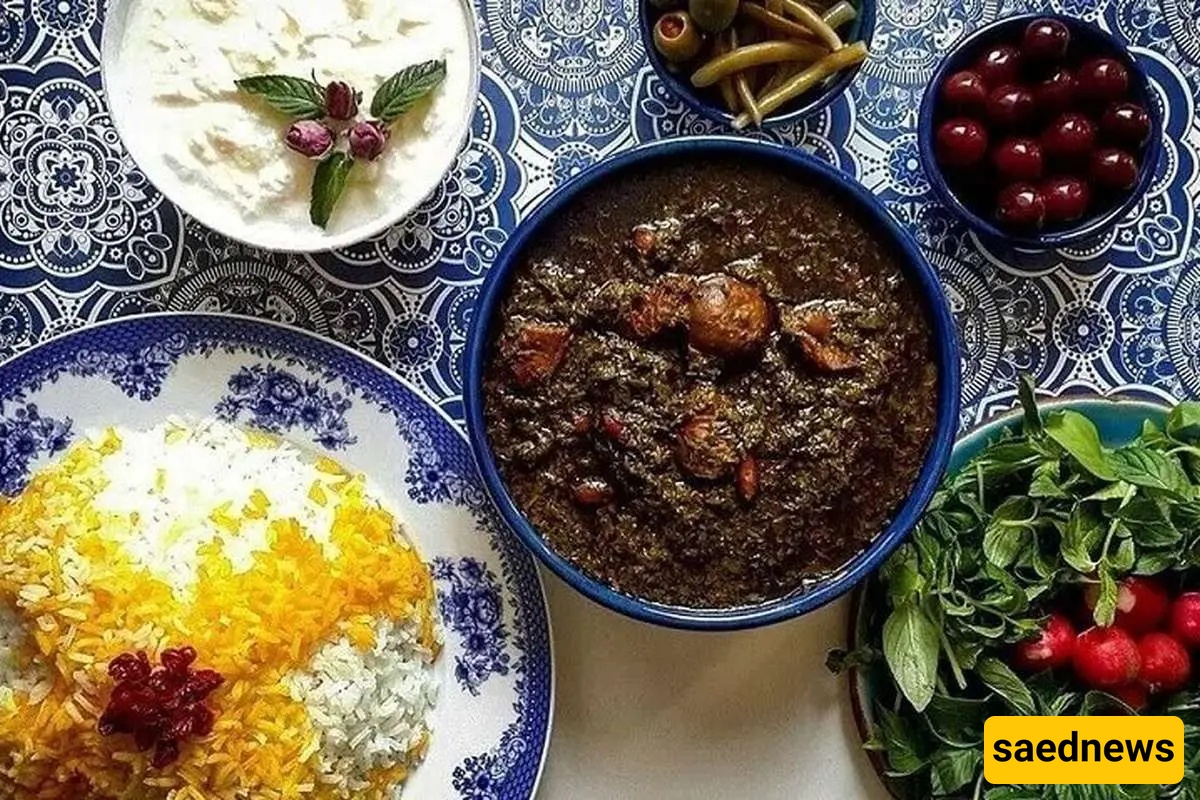
Shahinpour adds: “In old Tehran cooking, the quantity of ingredients, the order of preparation, and the cooking stages were all crucial. Patience was the key to Persian cuisine. The steps for making Qorme-Na’na were simple yet captivating. First, chopped onions were sautéed in rendered tail fat, which was essential for the dish’s flavor. Then, the braised meat, seasoned with turmeric, was added. Mint was incorporated in two stages: first fresh mint—often from Varamin—was chopped, fried, and mixed with the other ingredients. Next came peeled chickpeas and soaked split peas, combined with a cup of boiling water. At this stage, dried mint was added, and finally, verjuice, salt, and pepper completed the cooking of this delicious dish. While Qorme-Na’na was unremarkable in appearance, its flavor delighted the people of the time.”
Qorme-Na’na, Tehran’s royal dish, has not been cooked in local kitchens for many years. Reflecting on other forgotten Tehran specialties, Shahinpour notes: “Fesenjan, known as ‘Fosojan’ in the Qajar period, came in many variations, though today only the walnut version survives. There were almond Fosojan, eggplant Fosojan, pumpkin Fosojan, and even yogurt-based Fosojan, which was white and favored by locals. Mutanjan was another authentic Tehran dish, and mesmen also had its admirers. Unlike today, traditional eateries weren’t known for serving head-and-trotter stews; they were primarily kebab houses. Tehran’s culinary past is rich with memories, stories, and traditions.”