SAEDNEWS: Yalda Night, also known as Shab-e Cheleh or Shab-e Cheleh Bozorg, is one of Iran’s oldest festivals, celebrated each year on the longest night of the year.
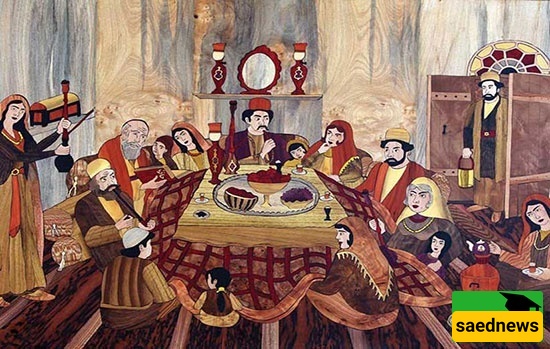
According to the History and Culture Service of Saed News, Yalda Night coincides with the winter solstice, marking the beginning of longer days in the Northern Hemisphere. The celebration starts at sunset on December 21 and continues until sunrise on December 22, a time when families gather to celebrate together.
On this night, Iranians prepare fruits and nuts—such as pomegranates, watermelons, and persimmons—which they enjoy as a family. These fruits symbolize life, energy, and hope. In some regions, tradition holds that forty types of foods should be arranged for the Yalda feast. The red hues of the fruits represent the colors of dawn and the radiance of life. Eating watermelon on Yalda Night is believed to ensure health and well-being throughout the summer months, protecting against the effects of intense heat or illnesses associated with warm bodily humors.
Other common practices include elders telling stories to family members, reciting the Shahnameh, and divination using the poetry of Hafez—rituals that reinforce generational bonds and transmit culture and wisdom. The word “Yalda” originates from the Syriac language and means “birth,” referring to the rebirth of the sun. Ancient Iranians celebrated this festival to honor the longest night of the year, symbolically leaving winter darkness behind and welcoming light and warmth.
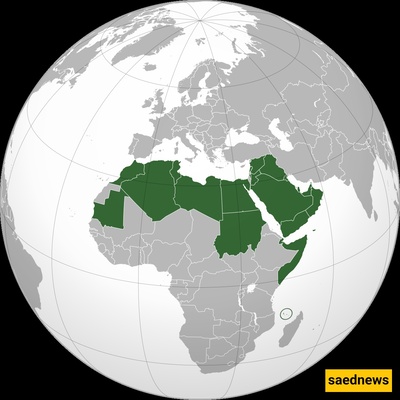
From a historical and anthropological perspective, Yalda Night has been studied in books and academic research, showing how the festival has preserved its symbolic features while maintaining a central role in the social and cultural life of Iranians. Scholars researching Iranian culture have explored its connections to ancient festivals, myths, symbols, and historical traditions. Yalda is also celebrated in several Central Asian countries, including Afghanistan, Tajikistan, Uzbekistan, and Turkmenistan, as well as in parts of the Caucasus such as Azerbaijan and Armenia. Iranians adopted this annual festival of renewal from the Babylonians, integrating it into Zoroastrian rituals. According to researcher Zana Saleh-Rad, the persistence of Yalda Night in Persian-speaking cultures reflects the endurance of cultural memory and the adaptation of ancient traditions to new social structures. She notes that the festival has roots in sun-centered rituals dating back to pre-Zoroastrian times, celebrating the sun’s rebirth during the longest night of the year.
In the Southern Hemisphere, the winter solstice marks the shortest night of the year, in contrast to the Northern Hemisphere. The word “Yalda” entered Persian from Syriac-speaking Christians and, in December 2022, Yalda Night was officially added to UNESCO’s Intangible Cultural Heritage list. Following Yalda Night, the “Great Cheleh” begins, lasting forty days until February 1. While the tradition is mostly transmitted informally within families, radio and television programs, publications, social media, and educational resources have played an increasing role in preserving and sharing the festival. Events, workshops, and awareness campaigns organized by research centers, NGOs, and cultural institutions have also significantly contributed to passing this cultural heritage to future generations.
The longest and darkest night of the year is the one that marks the start of the first forty-day period of the three-month winter season, which is why it is called Cheleh, meaning “fortieth.” There are three forty-day periods in total: one in summer and two in winter. The two winter periods are known as the “Great Cheleh,” from December 22 to February 1, encompassing forty full days. A shorter period, the “Small Cheleh,” overlaps and lasts twenty days and nights, totaling forty days. Yalda Night marks the start of the Great Cheleh, the night between the last day of autumn and the first day of winter.
The name “Yalda” ultimately derives from the Syriac term ܝܠܕܐ, meaning “birth.” Linguist Ali-Akbar Dehkhoda notes that “Yalda is a Syriac word meaning birthday. Because people associated Yalda Night with Christ’s birth, it took this name. However, Christmas on December 25 is recognized as Jesus’ birth.” Yalda marks the onset of winter and the final night of autumn—the longest night of the year.
During the first century CE, many Eastern Christians lived within the Parthian and Sasanian empires and enjoyed religious protection. Through them, Iranians became familiar with Christian rituals, including what appears to have been the Nestorian Christian version of Yalda. In Syriac, the word literally means “birth,” and it also designated the Syriac Christian Christmas, celebrated on the eve of the winter solstice, nine months after the Annunciation. Over time, the term spread to non-Christian neighbors, gradually merging “Yalda Night” and “Chelleh Night,” which are now used interchangeably.
Renowned scholar Al-Biruni referred to the celebration as the “Great Birth,” meaning the “birth of the sun.” In historical texts, the first day of December (Dey 1) is also called Khur or “sun day.” In some sources, the forty days of winter are called “Great Cheleh” and the subsequent twenty days “Small Cheleh,” following an ancient agricultural calendar that divided the year into forty-day periods.
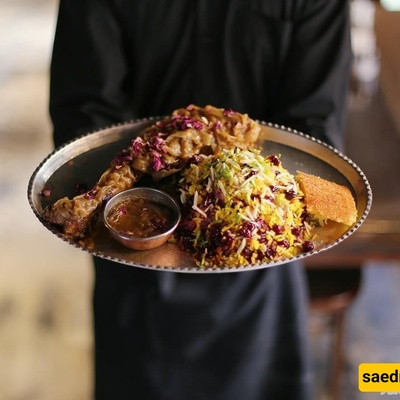
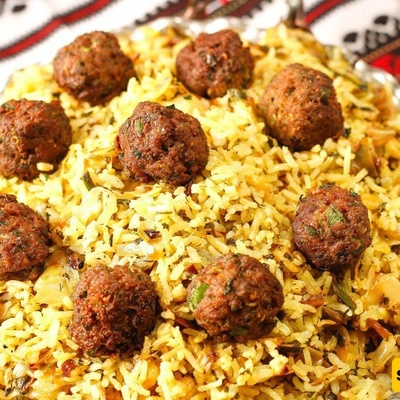
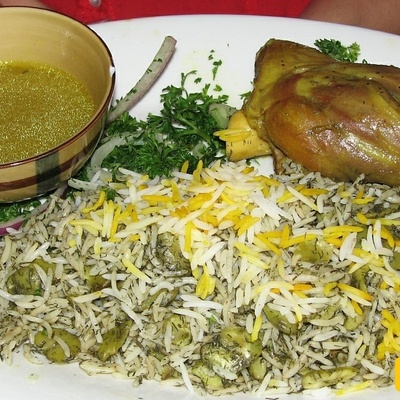
Traditional foods for Yalda include nuts, pomegranates, watermelon, herb rice with fish, and sometimes ash reshteh (a thick noodle soup). Red wine is also customary. Folklore holds that eating watermelon on this night ensures health and protection during the warmer months.
To honor Yalda Night, families set a spread known as the “Yalda Table” or “Chelleh Table,” typically decorated with an assortment of nuts, seeded pomegranates, and watermelon. Pomegranates and watermelons are central to the table, alongside dried fruits such as apricots and peaches, as well as assorted nuts, making it a rich and symbolic celebration of life, light, and renewal.