SAEDNEWS: Opium Derivatives Found in Human Archaeological Remains for the First Time
Analysis of bones and preserved brain tissue from nine 17th-century patients at Milan’s main hospital has revealed traces of codeine, morphine, noscapine, and papaverine—all opium derivatives. This marks the first discovery of Papaver somniferum in historical and archaeological human remains.
The hospital, known as Ca’ Granda, was founded in the mid-15th century by Francesco Sforza, Duke of Milan, to provide free healthcare to the poor. By the 16th century, it had become the city’s principal hospital and earned recognition across Europe for its innovative medical care and sanitary practices. Some of these practices, like daily linen changes, are standard today but were revolutionary in the 1600s.

The Hospital Archive
Ca’ Granda’s archives, preserved from its founding in 1456 until its closure in the 20th century, document centuries of hospital management and medical practices, including detailed records of medicines. The archives list both plant- and animal-based compounds, their preparation methods, and formulations.
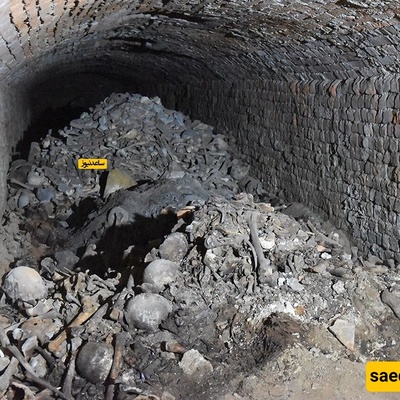
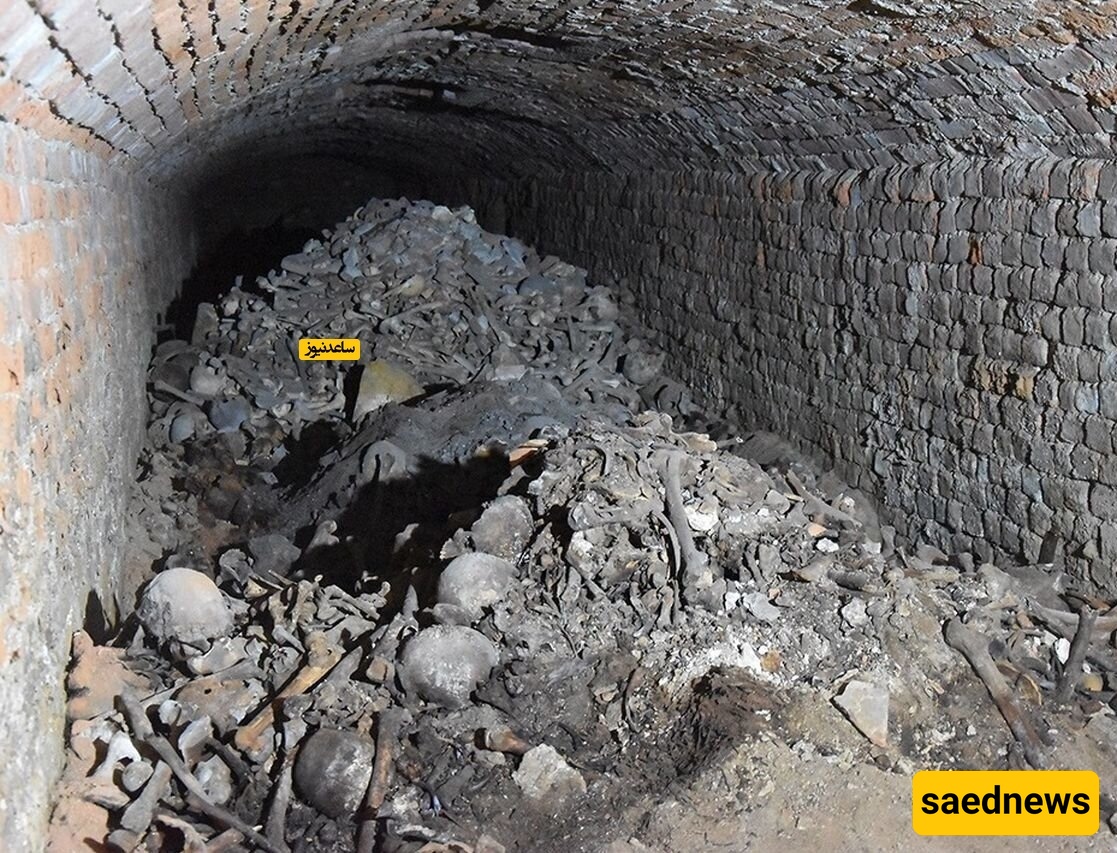
Researchers investigating historical use of drugs recently uncovered a remarkable source of evidence: the hospital’s ossuary. This dedicated space, expanded throughout the 17th century, is estimated to hold 2.9 million bone fragments across 14 chambers—remains of more than 10,000 individuals who died in the hospital.
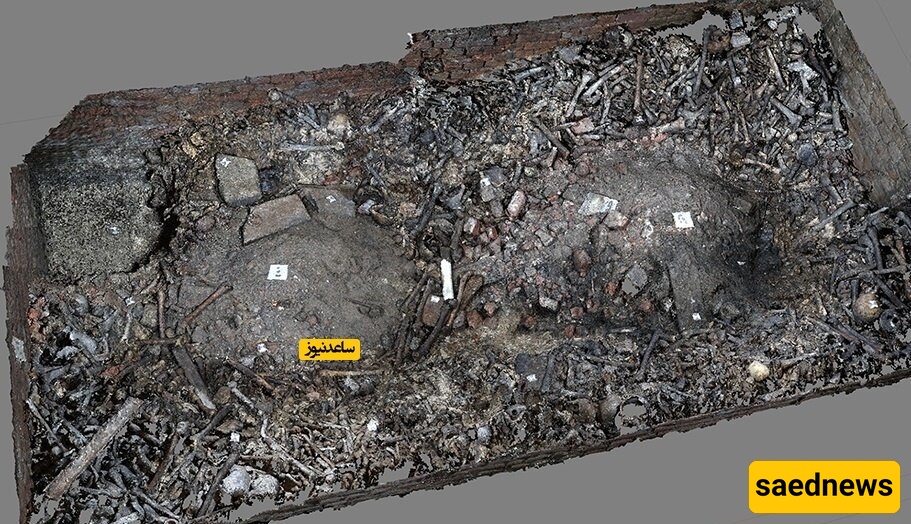
Bone and Brain Analysis
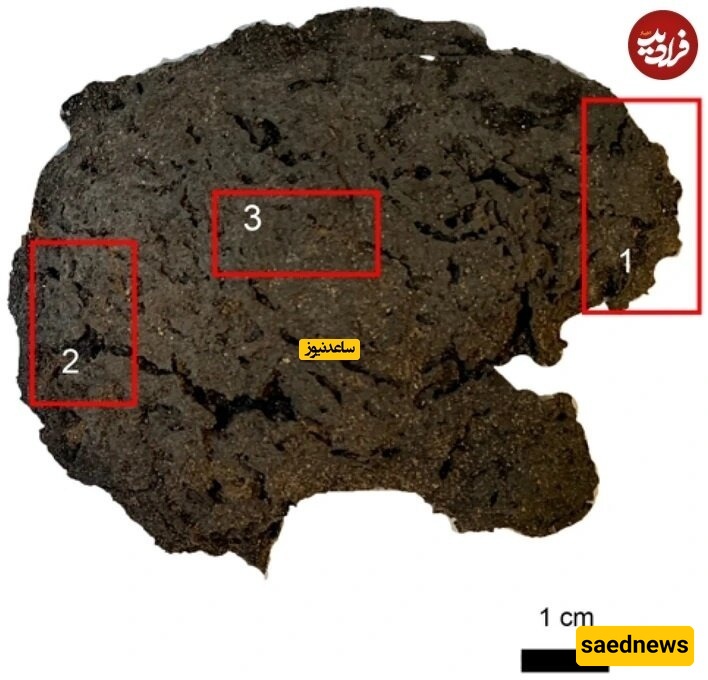
Bone and brain tissue can retain traces of drugs present in the body at the time of death. The research team collected biological samples from the ossuary’s bones and preserved brain tissue. Toxicological analysis of nine preserved brain samples and eight skulls detected alkaloids from various opium derivatives in six cases—four brain samples and two skulls.
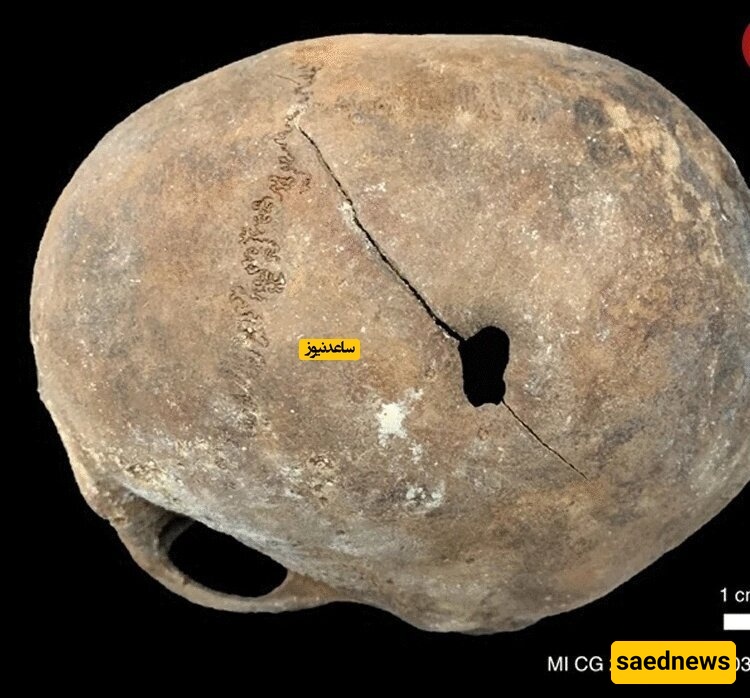
Specifically, noscapine, papaverine, and codeine were found in the preserved tissues, while morphine was identified in bone samples. Skeletons with Papaver somniferum traces belonged to three women (including two young adults), one man, and an 11–12-year-old child. One case with positive toxicology also showed signs of pre-mortem trauma on the left parietal bone, including bone loss and possible cranial drilling, which could explain chronic inflammation and pain potentially treated with Papaver somniferum at the hospital.
Opium Use
Records from Ca’ Granda show that Papaver somniferum was not only present in the pharmacy but actively used as medical treatment. Early 1558 entries list black poppy seeds or opium mixtures, and by 1604, inventories included white and black poppy seeds, poppy syrup, and opium. In 1617, the hospital added records of mixed opium preparations.
Historical documents indicate that modern-era physicians, particularly at Ca’ Granda, used opium in tablet or juice form as a narcotic, analgesic, astringent, coagulant, antispasmodic, and cough suppressant. These new findings confirm the archival evidence and deepen our understanding of Milan’s medical history.
The study is published in Scientific Reports.