SAEDNEWS: Ramses II, who ruled in the 13th century BCE, was Egypt’s greatest pharaoh, renowned for his colossal statues and military achievements during his reign from 1279 to 1213 BCE
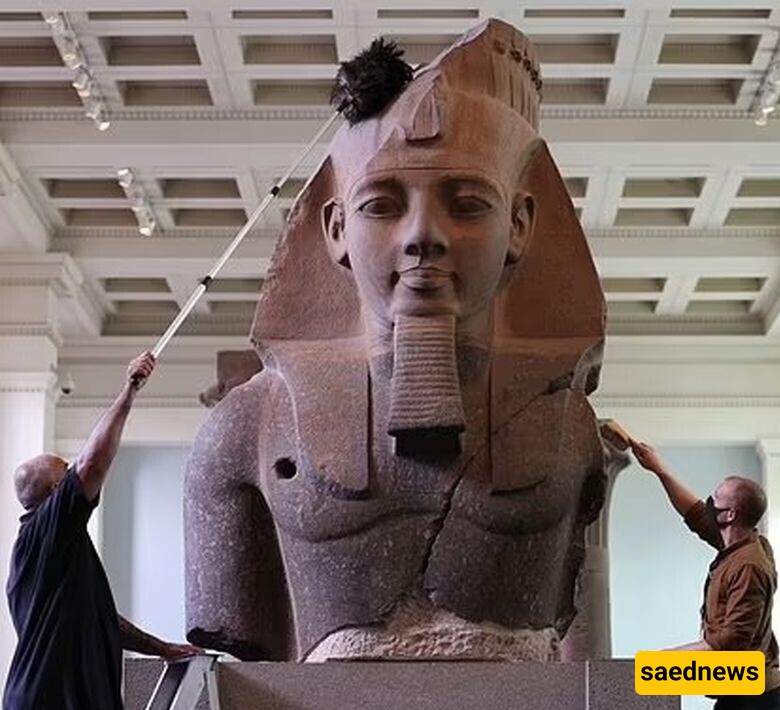
According to Saed News’ society section, a recently released image presents a reconstructed view of Ancient Egypt’s most powerful pharaoh in the final moments of his life.
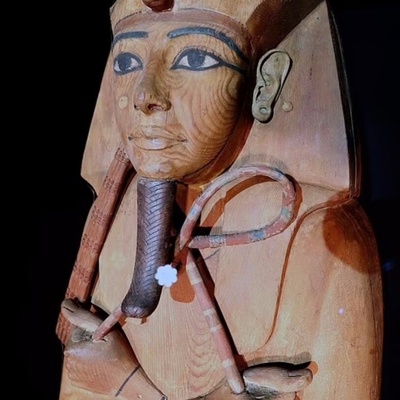
Ramses II, who ruled in the 13th century BCE, was Egypt’s greatest ruler, famed for his colossal statues and military achievements during his reign from 1279 to 1213 BCE.
Scientists used a 3D model of Ramses’ skull, adding soft tissues and skin, to reconstruct his appearance at the time of his death, around age 90.

The realistic image depicts a frail, elderly man, though some facial features resemble the grand statues of Ramses.
Cícero Moraes, a Brazilian graphic expert who led the reconstruction, explained:
"We conducted a comprehensive analysis, comparing the reconstructed face with statues of Ramses II. The goal was to understand how closely the statues reflected reality. Many expect a high level of similarity, but we found that wasn’t the case. Statues often match the nose shape well and, in some cases, the overall facial structure."
The statues of Ramses II feature a higher forehead, thinner lips, and a more pronounced chin.
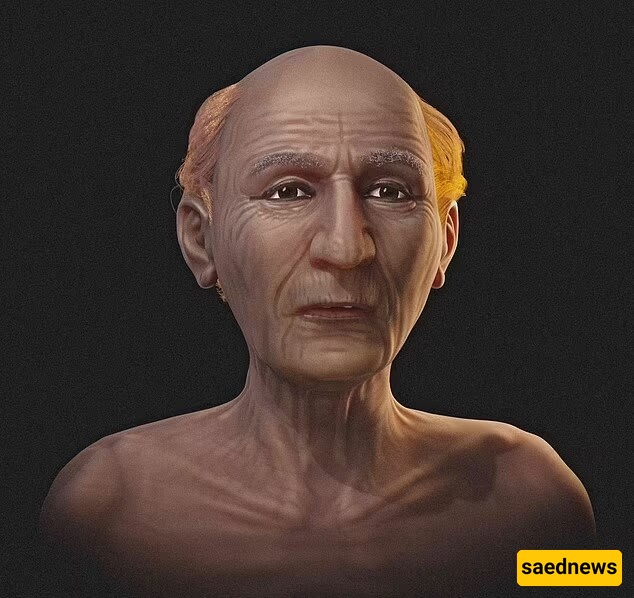
The research team used skin tones inspired by ancient Egyptian art to simulate Ramses’ appearance, as no records of his actual skin color exist. They also created a black-and-white version to avoid bias, anticipating some criticism for this approach.
"There is always criticism for anything shared online; social media comments speak for themselves. I support freedom of expression and have never blocked anyone for differing opinions or insults," Moraes said.
The team also drew on a 1976 study of Ramses’ mummified remains, discovered in 1881, in which researchers had restored some tissues.
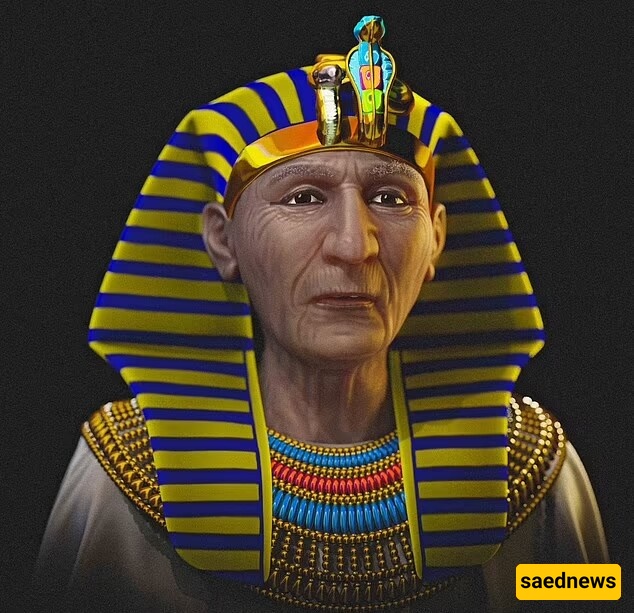
The study revealed that Ramses II had severe worn-down premolars and generally weak dental and bone health due to painful abscesses. Despite his long life, his muscles showed signs of age-related decline.
The team aimed to reflect these signs of aging in the facial reconstruction. They gathered data from hundreds of Egyptians to estimate the likely skin thickness at different points on his skull. Another technique involved digitally reshaping the face and skull of a living person with similar premolars to match the mummy’s dimensions.

Combining these methods, the researchers aged the face and added elements such as clothing, resulting in what Moraes described as a “wise” appearance.

This reconstruction aligns with a previous effort in 2022 by Sahar Selim of Cairo University and Caroline Wilkinson of Liverpool John Moores University. That study also used a 3D skull model, reversing the aging process by nearly half a century to depict Ramses at the height of his power.
Selim noted that the 2022 reconstruction revealed the pharaoh’s “handsome” appearance.
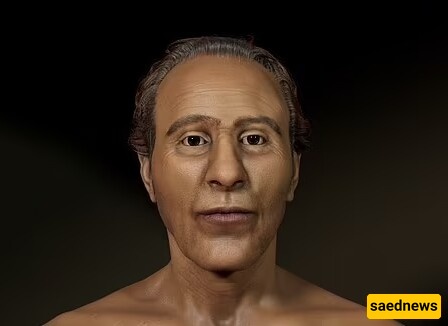
"My perception of Ramses II’s face had been shaped by his mummy, but the reconstruction helped me imagine his living appearance," she said.