SAEDNEWS: A Rare Ancient Object Believed to Be the Only One of Its Kind Found in the Roman Empire Was Discovered in Carlisle, England
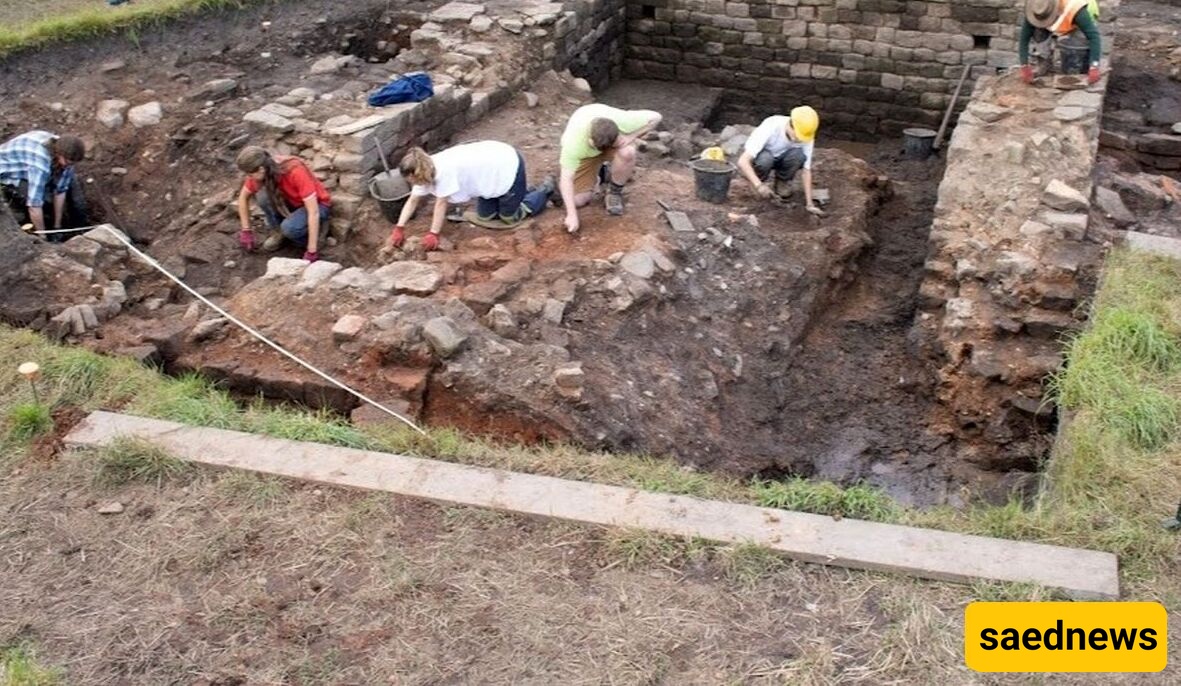
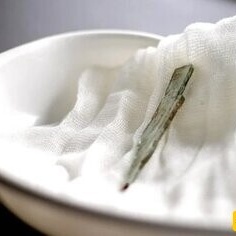
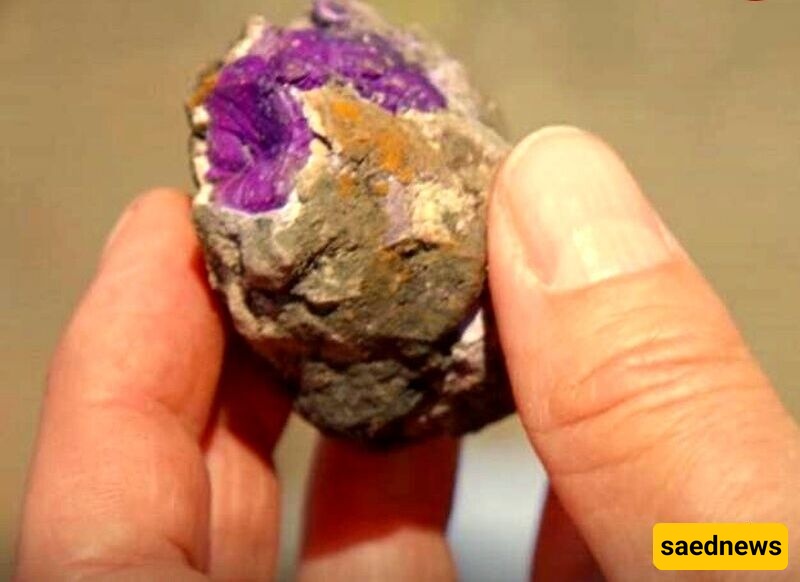
According to Saed News’ society section, a remarkably rare fragment of “royal purple” paint has recently been discovered in the remains of a Roman bath at Carlisle Cricket Club. This is the first find of its kind in Northern Europe and possibly anywhere in the Roman Empire.
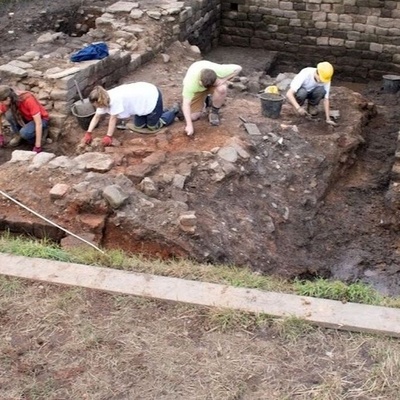
The Roman settlement of Luguvalium dates back to the 3rd century during the reign of Emperor Septimius Severus. The discovery was made in the drainage area of a historic structure believed to have been a Roman bathhouse.
In ancient Rome, royal or imperial purple was an extremely expensive color. Its deep, vibrant hue symbolized imperial power, wealth, and high status. Even small amounts were labor-intensive to produce, requiring thousands of crushed sea snails (Bolinus brandaris) from the Mediterranean. This rarity made the pigment more valuable than gold.
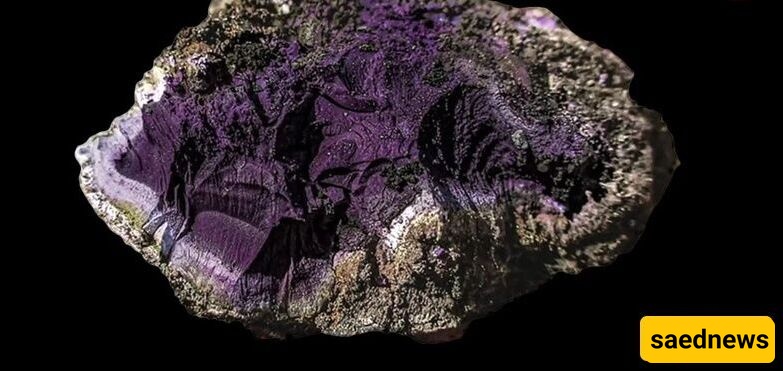
Analysis by experts revealed that the pigment contains high levels of bromine and wax, confirming it almost certainly as royal purple. The Roman name for the color comes from the city of Tyre in southern Lebanon, near the Mediterranean coast, which was the most famous production site. It was also produced in North Africa near the coast of modern Morocco.
From Bronze Age kings and emperors to Alexander the Great, Cleopatra VII, Romans, Charlemagne, and the Byzantines, royal purple was worn by the powerful. The pigment was used not only in fabrics but also for decorating walls of major public buildings, private homes, and wealthy estates—including the walls of baths.
Frank Jecko, technical director at Wardell Armstrong, emphasized the significance of the discovery, noting that for thousands of years, royal purple was the most expensive and sought-after color in the world. Its presence in Carlisle, alongside other archaeological evidence, strengthens the hypothesis that this building may have been linked to the imperial court of Septimius Severus in York.
Finding royal purple in Carlisle is unusual, particularly in Northern Europe. Its significance goes beyond the pigment itself, suggesting the Roman bath may have been connected to imperial authority or visited by high-ranking officials. This link to the Roman court raises new questions about the importance and role of this site within the vast Roman Empire.