SAEDNEWS: Taste Buds Turn Green After Smoking While Taking Antibiotics in Ohio Man

A 64-year-old man from Ohio developed a green, hairy tongue due to a rare side effect linked to smoking and a recent course of antibiotics, according to reports.
The man noticed his tongue changing color and visited a primary care clinic several weeks later. About three weeks before seeing a doctor, he had completed a course of the antibiotic clindamycin for a gum infection. He also reported being a smoker, though the duration of his smoking history is unknown. It is unclear whether the condition was caused specifically by smoking, the antibiotic, or a combination of both.
Previous research suggests that smoking can have lasting effects on oral health, including promoting plaque and bacterial growth. Meanwhile, antibiotics can alter the oral microbiome, changing bacterial populations and allowing them to accumulate on the tongue.
Doctors diagnosed the man with a “hairy tongue,” a condition characterized by an unusual coating on the upper surface of the tongue, also called the dorsal area.
The condition occurs when dead skin cells accumulate on areas of the tongue that contain taste buds, known as papillae. These papillae then grow longer than normal, giving the tongue a hairy appearance, while also trapping bacteria, yeast, and other substances.
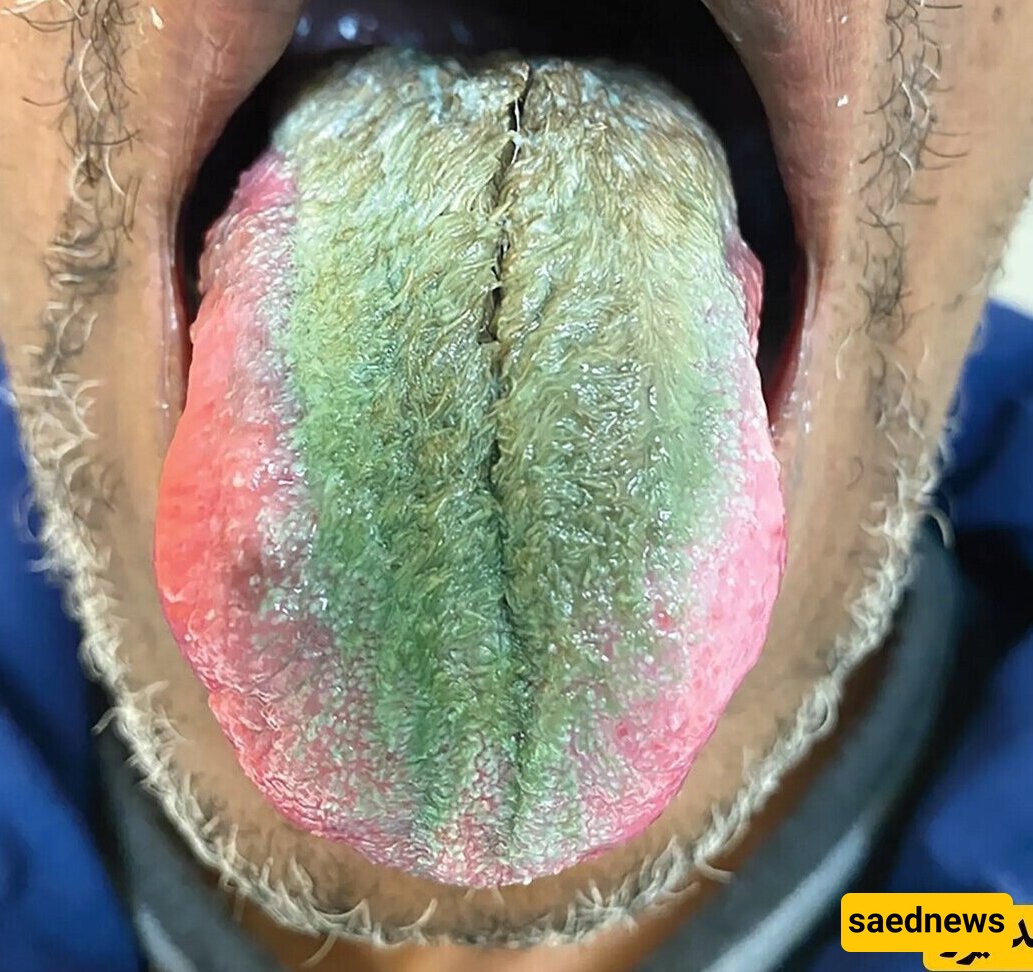
Hairy tongue is usually symptom-free, although some individuals may experience a burning sensation due to the accumulation of bacteria and yeast.
The condition affects more than one in ten Americans and is generally harmless. It can occur at any age but is more common in older adults and tends to be more frequent in men than women. If the papillae are not regularly scraped, they can grow significantly.
The American Academy of Oral Medicine notes that hairy tongue may appear brown, white, green, or pink depending on its cause and other factors, such as mouthwash use or even candy. It is typically linked to poor oral hygiene and most commonly affects adults over the age of 40.