SAEDNEWS: Merino: A Breed of Domestic Sheep Known for Its Fine, Soft Wool
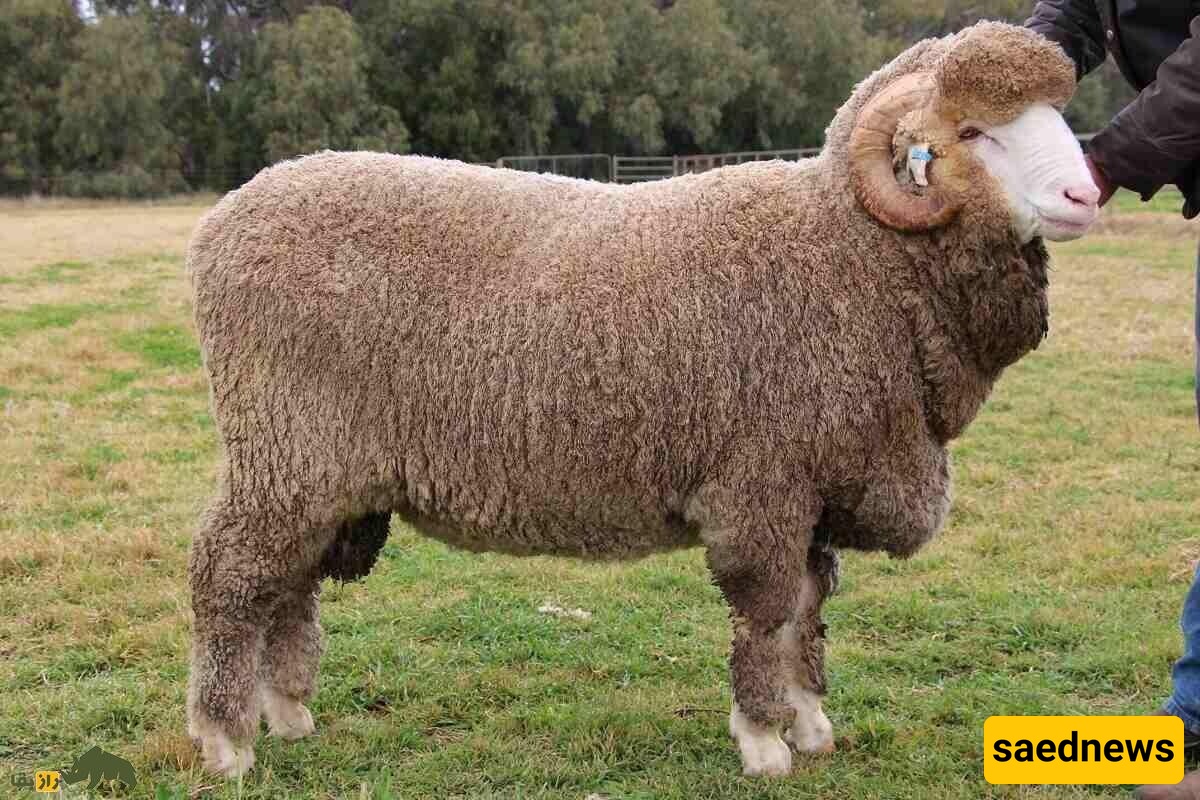
According to Saed News Society Service, Merino is a breed or racial group of domestic sheep renowned for its exceptionally fine, soft wool. The breed originated in Spain in the late Middle Ages and remained a tightly guarded Spanish monopoly for several centuries.
For a long time, exporting Merino sheep was forbidden, and those who attempted to take the breed out of Spain risked execution. In the 18th century, herds were sent to courts in several European countries, including France, Hungary, the Netherlands, Prussia, Saxony, and Sweden. In Spain of that era, the breed was considered the “diamond sheep” of the nation.
Merino sheep later spread across the world, including South Africa, Australia, and New Zealand. Numerous breeds, strains, and variants have been developed from the original type. These include the American and Delaine Merino in the Americas, Australian Merino, Booroola Merino, and Peppin Merino in Oceania, and Gentile di Puglia, Merinolandschaf, and Rambouillet in Europe.
The Australian polled Merino is a hornless variety. Other Merino rams have long, spiraling horns that grow close to the head, while the ewes are generally hornless.
The name “Merino” was not recorded in Spain until the early 15th century, and its origins remain disputed. Three theories exist: the importation of North African flocks in the 12th century; the breed’s development in Extremadura during the 12th and 13th centuries; or selective crossbreeding of Spanish ewes with imported rams over several periods, with the fine wool fully developing only by the 15th century or later.
The first theory suggests the breed was improved with North African rams, while the second posits that early North African sheep were related to the Anatolian type, both claiming North African origins for Merino.
The third theory—that the Merino was developed in Spain over centuries with strong Spanish heritage and no African influence—has been supported by recent genetic studies and the absence of fine Merino wool before the 15th century. Spain’s dominant native breed prior to Roman times was the Churro, a homogeneous group of coarse, colored-wool sheep primarily raised for meat and milk.
Churro wool had little value, except where ewes had been crossed with fine-wool breeds from southern Italy during the Roman era. Genetic studies suggest Merino likely emerged from crossbreeding Churro ewes with rams from various breeds across different periods, including Italian rams during Roman times, North African rams in the Middle Ages, and English fine-wool rams in the 15th century.
Although Spain exported wool to England, the Low Countries, and Italy in the 13th and 14th centuries, it was only used for inexpensive garments. The first evidence of high-quality Spanish wool exports appeared in Italy in the 1390s and Flanders in the 1420s, though English wool was often preferred. By the late 15th century, Spain became famous for its fine wool, and by the mid-16th century, Spanish Merino wool matched the best English wool.
Merino sheep were introduced to Vermont in 1812, sparking a wool boom that drove prices to 57 cents per pound by 1835. By 1837, Vermont had one million sheep. Prices fell to 25 cents per pound by the late 1840s, and Vermont could not compete with other states, leading many farmers to move their flocks elsewhere in the U.S.
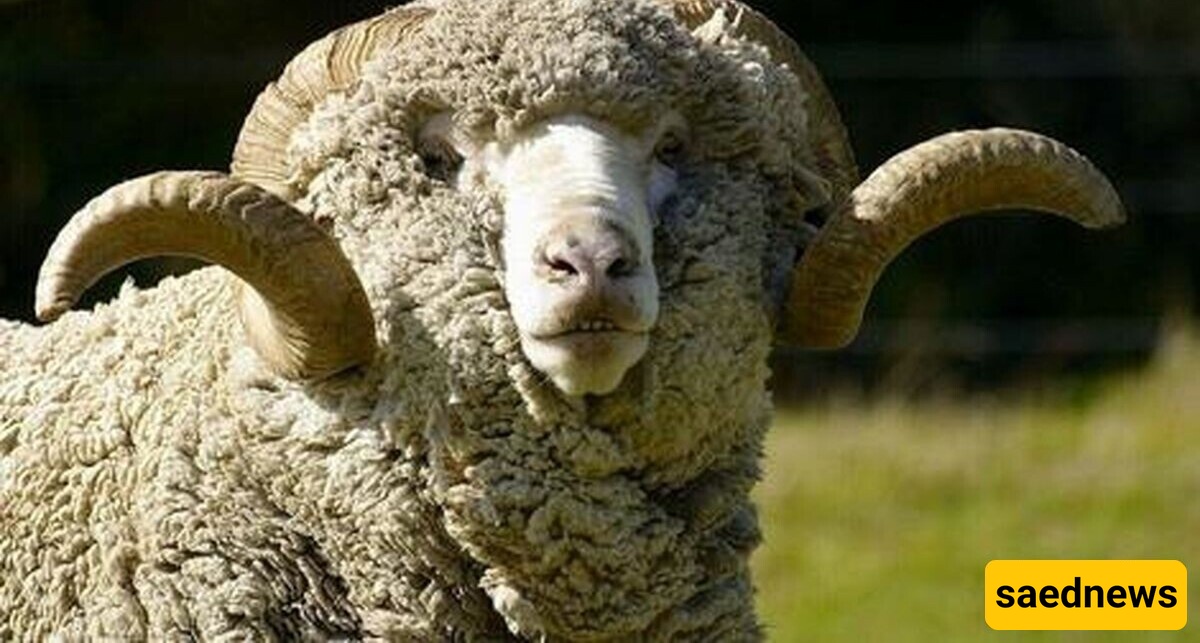
Approximately 70 native sheep, primarily raised for meat, survived the First Fleet to Australia, arriving in late January 1788. Within months, the flock dwindled to 28 ewes and a single lamb.
In 1797, Governor King, Colonel Paterson, Captain Waterhouse, and Count bought sheep in Cape Town from the widow of Colonel Gordon, commander of the Dutch garrison. Upon arrival in Sydney, Waterhouse sold his sheep to Captain John Macarthur, Samuel Marsden, and Captain William Cox. Although Australian Merinos originated from diverse stock—including Cape Colony, England, Saxony, France, and America—the breed in Australia today shows genetic similarities and differences indicative of a shared history after their introduction.
The world record price for a Merino ram was AUD 450,000, sold during a 1988 Adelaide auction. In 2008, an Australian Merino ewe sold for AUD 14,000 at a sheep show and auction in Dubbo, New South Wales.
Merino sheep are excellent foragers and highly adaptable. They are primarily raised for wool, with carcasses typically smaller than meat breeds. South African Meat Merino, American Rambouillet, and German Merinofleischschaf are among the Merino breeds selectively bred to balance wool production with improved meat quality.
Merinos require regular shearing at least once a year; their wool grows continuously, and neglect can lead to overheating, mobility issues, or even blindness.
Merino wool is fine and soft, with fibers typically 65–100 mm long. A Saxon Merino ram produces 3–6 kg of greasy wool per year, while an Australian Peppin Merino ram can yield up to 18 kg of high-quality wool.
Peppin Merino wool ranges from 20 to 23 microns. These sheep are common in Queensland flocks, across the hills and plains of New South Wales, northern Victoria, and mixed farming regions of South and Western Australia. They are also found in significant numbers in high-rainfall areas of Victoria, Tasmania, and New South Wales.
Among some breeders, Peppin Merinos are so prized that flocks are divided into Peppin and non-Peppin Merinos. Generally, Merino wool is under 24 microns in diameter. The main types are: strong (23–24.5 μm), medium (21–22.9 μm), fine (18.6–20.9 μm), superfine (15–18.5 μm), and ultra-fine (11.5–15 μm).