SAEDNEWS: In the upheavals of Henry VIII’s court, Anne Boleyn became entangled in scandal and betrayal—a woman history has labeled both “traitor” and “seductress.” But Philippa Gregory’s new novel asks: was Anne truly the cause of queens’ downfall, or a casualty of ruthless power?

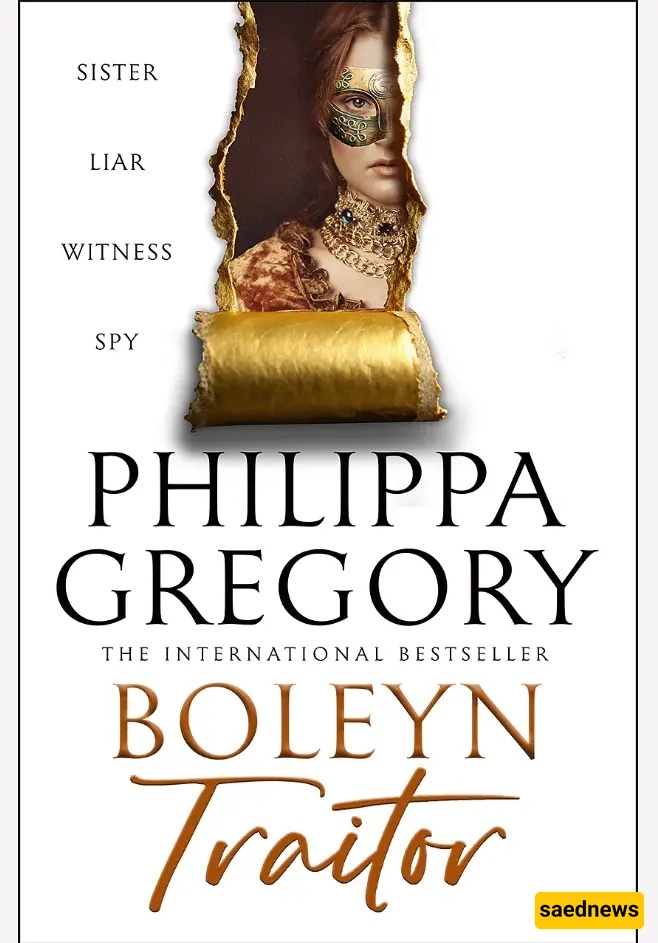
According to Saed News’ social affairs service, Deborah Nichols-Lee, Jane Boleyn, a 16th-century noblewoman, faced shocking and serious accusations: she was blamed for a staggering betrayal of her husband and for complicity in the affairs of two of Henry VIII’s wives—her sister-in-law Anne Boleyn and Catherine Howard. But was she truly the “lustful spy” history accused her of being, or merely a convenient scapegoat for the brutality of a dictator? Philippa Gregory’s new historical novel, Boleyn Traitor, explores her story.
In the court of the mercurial Henry VIII, no one was safe. Queens’ attendants and courtiers could swiftly change allegiance. Jane Boleyn, a lady-in-waiting who served five queens, has long been portrayed as one of these capricious figures: someone who survived under suspicious circumstances while those around her were executed.
Tracy Borman, senior historian at Historic Royal Palaces, writes that Jane, accused of treachery, likely became “the most hated woman in Tudor England.”
This infamous figure is now the focus of Gregory’s new book, Boleyn Traitor. Gregory, whose bestseller The Other Boleyn Girl inspired the 2008 film starring Natalie Portman and Scarlett Johansson, offers a vivid retelling of Jane’s life.
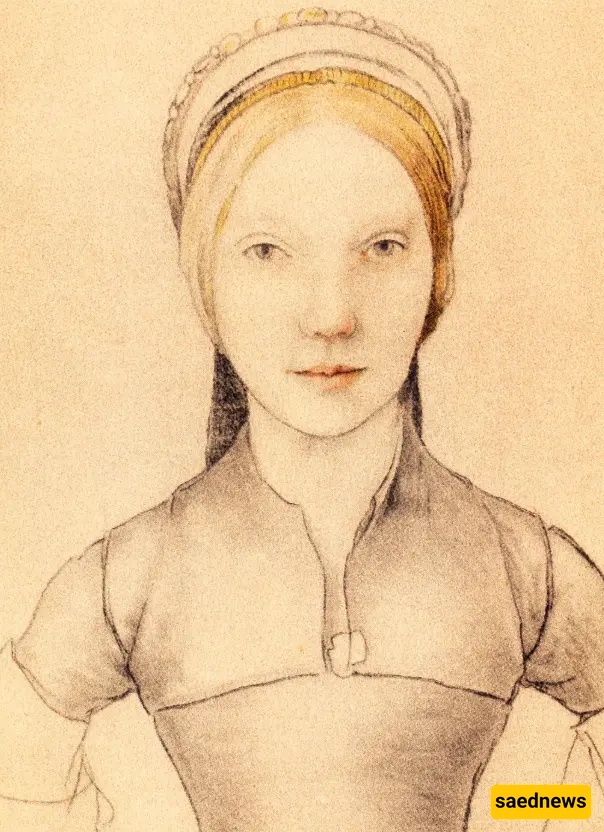
Born around 1505 as Jane Parker, she was the daughter of a baron who served Henry VIII as a noble steward and translated Italian Renaissance texts for the court. Jane entered the court at just 11, serving as a lady-in-waiting to Henry’s first wife, Catherine of Aragon, where she first encountered the Boleyn family. Around the age of 20, she married George Boleyn; a decade later, George’s sister Anne unexpectedly became queen.
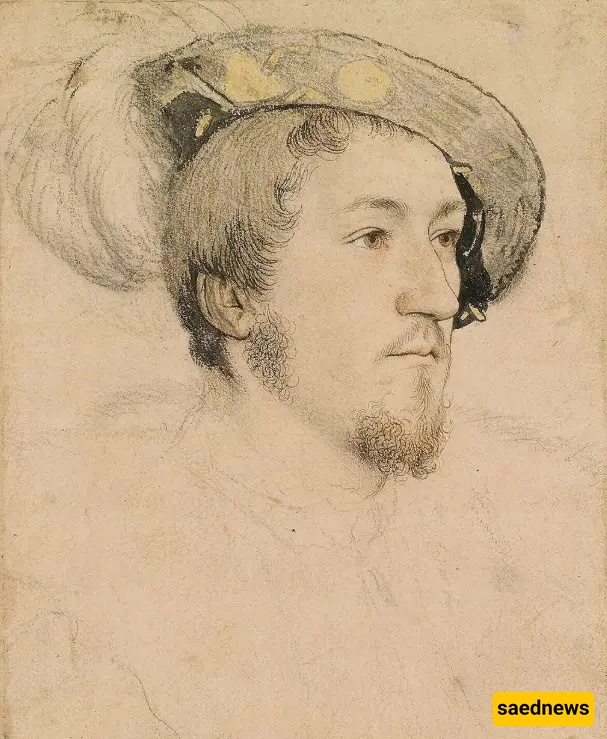
Few records of Jane survive, leaving a blank canvas for storytellers to fill with dramatic narratives. No confirmed portraits exist, though some works attributed to Hans Holbein may depict her. Many images were destroyed in 1541 when Jane was accused of treason and denounced as “Mistress of the Brothel” for her role in facilitating a liaison between Henry VIII’s fifth wife, Catherine Howard, and the courtier Thomas Culpeper. All three paid with their lives: Culpeper was beheaded first, followed by Catherine and Jane on the morning of February 13, 1542, at the Tower of London.
Evidence suggests that Jane, in serving the queen, was indeed aware of these secret affairs. Yet, according to Gregory, much of the hatred toward Jane stems less from her actions and more from the historical narratives used to explain them.
Jane’s presence in the couple’s romantic encounters—then considered routine—can be seen differently. Gregory explains, “Freudian-era historians claimed she was lustful and driven by deviant impulses, later labeling her as simply mad. I don’t think Jane was driven by lust or any other sin. She was just an ordinary woman in extraordinary circumstances, trying to survive and advance.”
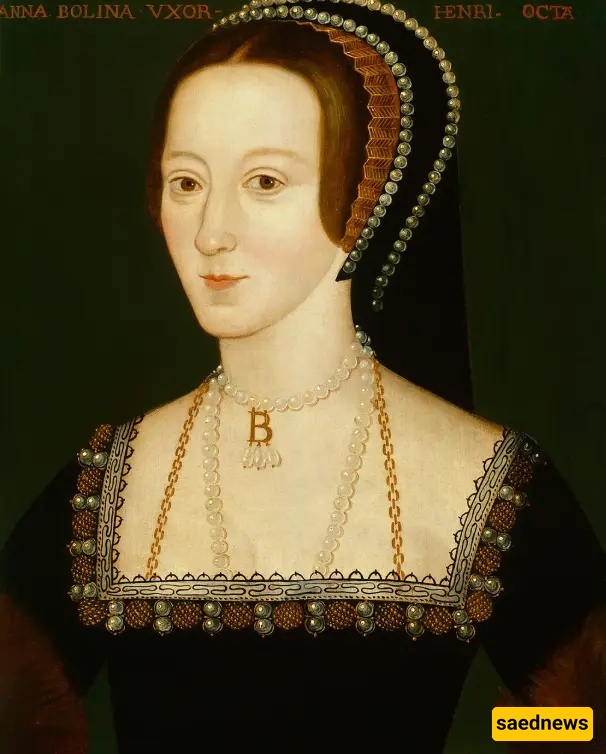
This was not Jane’s first entanglement in royal scandal. In 1536, the court erupted when Anne Boleyn was accused of adultery with four courtiers. To ensure there was no return for Anne, an additional accusation of incest with her brother George was added. Reports suggest that only George’s wife, Jane, revealed this to the king, allegedly motivated by jealousy of her sister-in-law. Historians’ speculation from Elizabethan times onward posits that tensions between Jane and George provided a motive for betrayal.
This scandal led to the executions of George and Anne, clearing the way for Jane Seymour, Henry’s next queen, whom the king hoped would succeed where Anne had failed by bearing a much-needed male heir.
Jane’s story is one of survival—maintaining her position in one of history’s most unstable courts under one of its most notorious tyrants. Recognizing Jane as a victim does not mean she lacked agency. Gregory notes, “It’s easy to underestimate Jane’s ambition, partly because we are conditioned to think ambition in women is a bad thing.”
Her ambition returned her to the dangerous court shortly after her husband’s execution, cementing her cold, ruthless reputation. Perhaps Jane’s greatest mistake, fueled by her love of courtly life, was trusting the court’s most powerful men.
Julia Fox, in her 2007 biography Jane Boleyn: The Infamous Lady Rochford, writes: “The more I explored the records, the clearer it became that Jane Boleyn’s story is not only as fascinating as the queens she served, but she has been heavily maligned.” Fox adds that detractors “were glad to have found a scapegoat to absolve the king of his heinous crime of ruthlessly killing his innocent wife,” claiming that “it was Jane’s testimony that deceived Henry and destroyed Anne and George.” Yet such claims seem implausible, as Jane had much to lose and no need to slander her husband—especially given the devastating financial consequences.

Long after Jane’s death, when Elizabeth I sought to strengthen her reign by rehabilitating her mother Anne Boleyn, demonizing Jane again proved convenient.
Though Jane’s life was cut short in her mid-30s, Gregory presents her story as one of survival: a woman maintaining a position in one of history’s most unstable courts, serving under one of its most ruthless rulers.
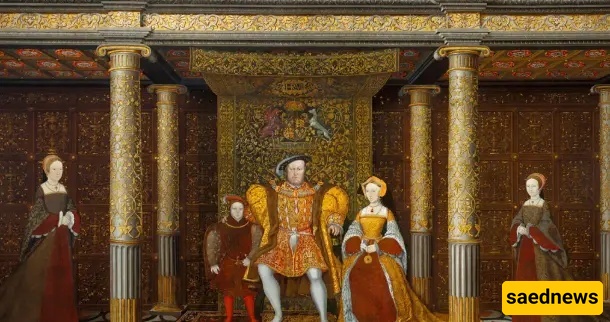
Boleyn Traitor invites readers to condemn not Jane, but the structures of power around her. Gregory emphasizes: “This is a novel about tyranny—a monarchy concentrating power in one man, with very few willing to stand against him.”
Gregory’s narrative of Jane is not a moralistic tale where a villainous woman is punished, but a cautionary story about recognizing danger too late. She explains, “Jane’s awakening in the novel comes when she realizes: when you first see tyranny, you must oppose it.”