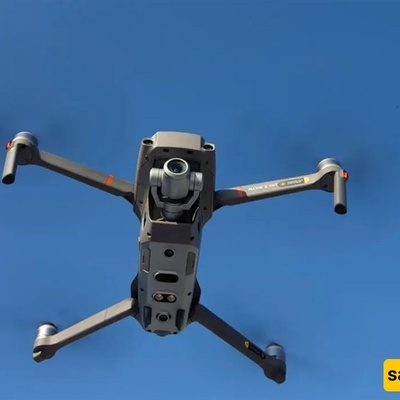
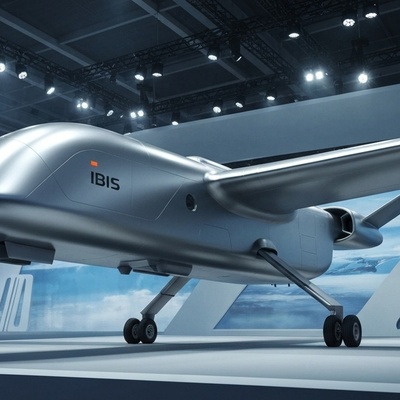
SAEDNEWS: The Trump administration declared all foreign-made drones and their components a national security threat, effectively barring new models from entering the US market and cutting off American buyers from the world’s dominant drone manufacturers.
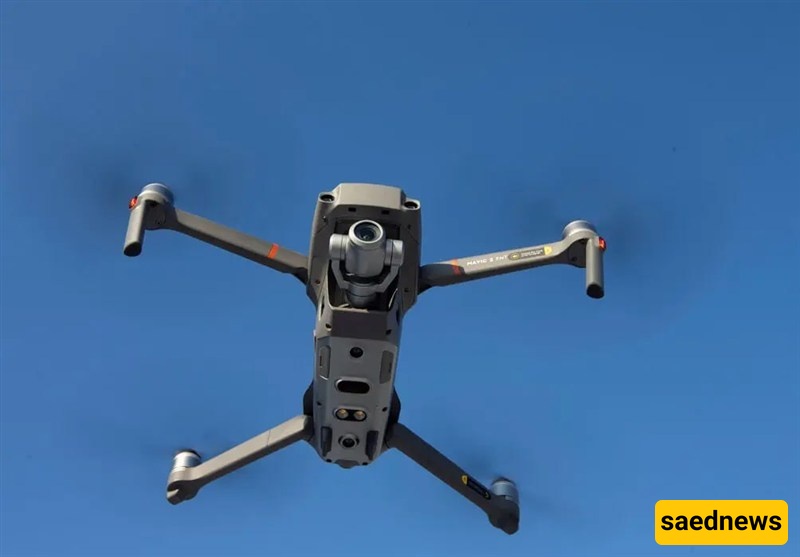
In a statement on Monday, the Federal Communications Commission (FCC) said that foreign-made drones posed “unacceptable risks to the national security of the United States” and would be added to a federal blacklist restricting their sale, while allowing limited case-by-case exemptions approved by the Pentagon or the Department of Homeland Security.
The decision effectively bars the sale of new drones produced by DJI, the Chinese company that manufactures the majority of the world’s civilian drones, although the FCC statement did not name the company directly.
“The FCC will work closely with U.S. drone makers to unleash American drone dominance,” FCC Chairman Brendan Carr said in a statement.
The move impacts nearly half a million registered U.S. drone pilots, many of whom rely on DJI equipment to run small businesses. DJI drones are widely used for agricultural spraying, land surveys, construction monitoring, and inspections of roofs and utility infrastructure.
“People are pissed — incredibly, incredibly pissed — about the whole thing,” said Vic Moss, volunteer director of the Drone Advocacy Alliance, which represents pilots seeking continued access to DJI products. Moss noted that existing drones were not banned, in part to avoid disrupting emergency services that use DJI drones for locating suspects, searching for missing hikers, and rescuing flood victims.
The FCC’s decision follows a mandate in the 2025 National Defense Authorization Act, requiring a determination by Dec. 23, 2025, on whether DJI or Autel Robotics video surveillance equipment posed security threats. The provision was introduced by Representative Elise Stefanik, a New York Republican, who pledged to “ensure Chinese drones are banned from American skies.”
Although many had expected a technical audit to examine potential covert data-sharing features in DJI drones, the outcome appears based largely on existing government assessments rather than a new review. DJI has repeatedly requested a formal review process and an independent examination of its products.
“We stand ready to work with you, to be open and transparent, and provide you with the necessary information to complete a thorough review,” Adam Welsh, DJI’s head of global policy, wrote this month to Defense Secretary Pete Hegseth and other officials. A DJI spokesperson added that the company “remains committed to the U.S. market” and that “no information has been released regarding what information was used by the executive branch in reaching its determination.”
For U.S. drone operators, the ban limits access to more affordable and capable equipment. DaCoda Bartels, COO of FlyGuys, which connects commercial drone pilots with freelance work, said he has used every generation of DJI drones since the Phantom V-1 and now faces losing access to the company’s annual technological upgrades.
“DJI will continue innovating and offering products in other countries. We just won’t have access to them. That’s unfortunate,” Bartels said, noting that American-made drones are often four times more expensive and perform less effectively.
U.S. drone manufacturers, however, welcomed the decision. Seattle-based BRINC called it “a historic decision that will change everything for U.S. drone manufacturers,” emphasizing that domestic companies are ready “to rebuild the American drone industry.”
Other potential beneficiaries include Skydio, a U.S. drone company, and Unusual Machines, a Florida-based drone component manufacturer. Skydio previously hired Joe Bartlett, Stefanik’s former national security adviser, as director of federal policy. Bartlett now serves as deputy undersecretary at the Commerce Department’s Bureau of Industry and Security, which participated in the DJI determination.
Unusual Machines CEO Allan Evans said the decision presents domestic firms “both an opportunity and a responsibility to build and deliver world-class products as quickly as possible.” Donald Trump Jr. serves on the company’s advisory board.
The FCC emphasized that the policy does not restrict drones already owned or previously approved for operation. “There will be a window for American companies to catch up,” Bartels said. “I sure hope that they do.”