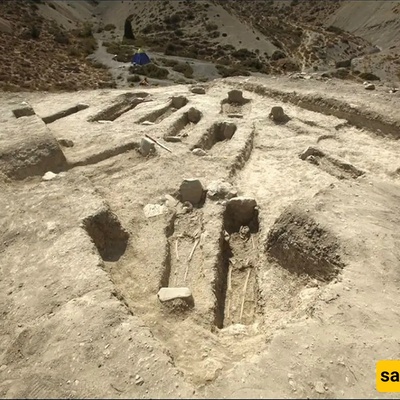
SAEDNEWS: Archaeologists have uncovered a mummy in a 15-meter-deep shaft in southern Cairo, a site that has also yielded three other tombs.
![Stunning Egyptian Mummy Discovered in a Deep Shaft [Photos]](https://en.saednews.com/storage/files/post/da5ff13e-ffb9-4eeb-8060-158b1abd4d66-8jOmCIYb1qCRkUAu/image.jpg)
According to Saed News’ social affairs service, archaeologists have announced the discovery of a mummy covered in gold leaf in Egypt, which had remained sealed inside a coffin for 4,300 years.
Reports suggest that the mummy belongs to a man named Hekashepes, considered one of the oldest and most complete non-royal mummies ever found in Egypt. Archaeologists uncovered the mummy in a 15-meter-deep shaft south of Cairo, alongside three other tombs.
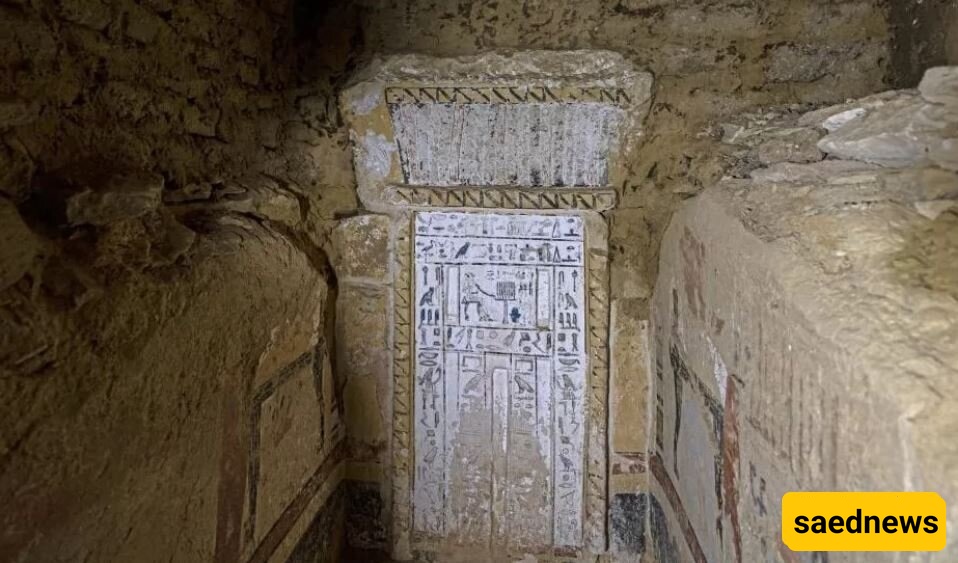
One of the tombs belongs to a man named Meri, whom archaeologists say served as a “secret guardian” of the pharaoh—a priestly title appointed by a senior palace official, granting the holder authority to conduct specific religious ceremonies.
The largest mummy discovered in this ancient necropolis belonged to a man named Khnumdjedef, who served as a priest, inspector, and overseer of the nobility. Another tomb is believed to house a judge and scribe named Fetek. Archaeologists also found a collection of statues in the same tomb, reportedly the largest ever uncovered in the area.
Zahi Hawass, archaeologist and former Egyptian Minister of Antiquities, stated that all the discoveries date back to between the 25th and 22nd centuries BCE. In addition to the mummies and tombs, several artifacts, including pottery, were recovered from the ancient graves.
Ali Abu Deshish, another archaeologist involved in the excavation, emphasized the significance of the find: “This discovery is extremely important because it links the pharaohs to the people who lived around them.”
Saqqara has served as a burial site in Egypt for over 3,000 years and is listed as a UNESCO World Heritage site. The ancient site, part of Egypt’s former capital Memphis, contains more than ten pyramids, including the iconic Step Pyramid. Just yesterday, archaeologists revealed a fully intact 1,800-year-old Roman city buried beneath the southern city of Luxor.