SAEDNEWS: Smelling an Ancient Egyptian Tomb Might Not Be on Your Bucket List—But Some of Its Scents Could Surprise You
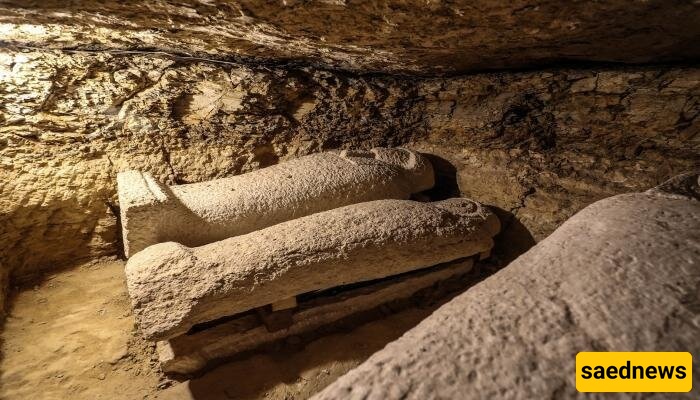
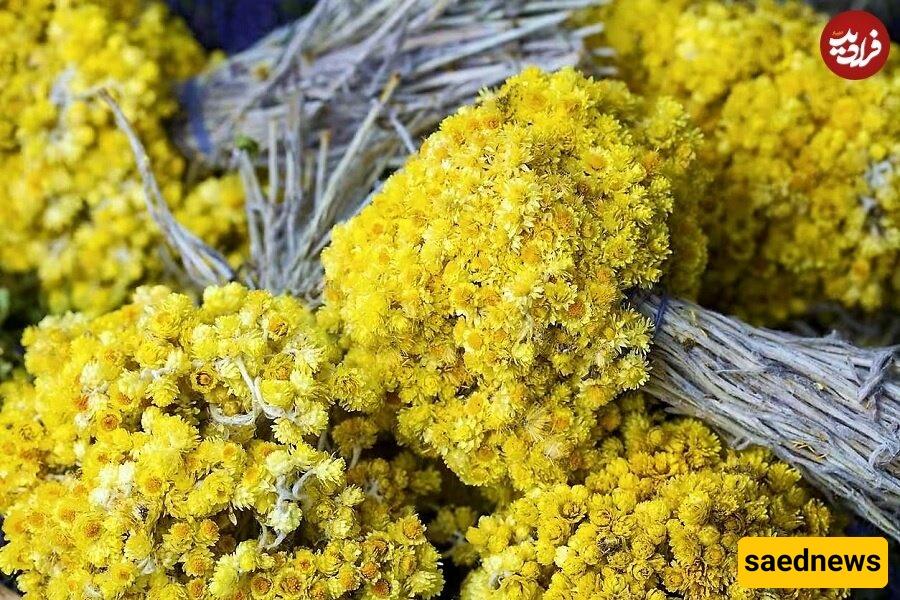
According to Saed News’ social service report, citing Faradid, new research has revealed that certain aromatic plants were used in the funerals of ancient Egyptians. Plants such as myrtle and eternal flower—nearly 2,000 years after their use—still contain detectable amounts of volatile organic compounds. This suggests that even after all this time, the scents from these tombs can still be perceived.
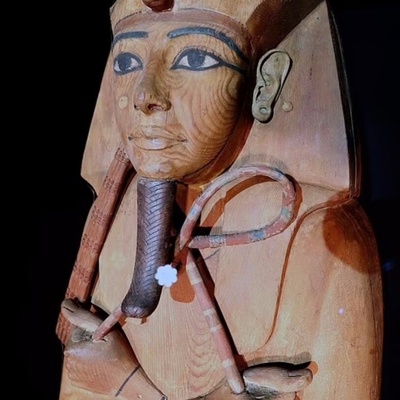
Myrtle and eternal flowers, famed for their fragrant aromas, have been employed in rituals across Mediterranean cultures for thousands of years. In ancient Egypt, particularly during the Greek and Roman periods, they were widely used to adorn mummies and apparently played a role in funeral ceremonies.
The fastest official Arabic translation center in Iran, offering special services at reasonable prices
A recent study on the subject suggests: “It is possible that the use of aromatic plants like eternal flower and myrtle was specifically due to the importance of respiration for the revival of the deceased, as their scents may have stimulated this ability in the eyes of ancient Egyptians. Moreover, the fact that the eternal flower does not wilt likely symbolized the idea of life after death, and its golden color—like that of the gods—probably reminded the living of the deceased’s divinity after death.”
Researchers at the University of Pisa in Italy recently analyzed several samples of myrtle and eternal flower, including specimens collected in the 19th century and others from the ancient Egyptian city of Faiyum, dating roughly between 1 and 400 CE.
Using advanced scientific techniques—evolved gas analysis, mass spectrometry, thermogravimetric analysis, and gas chromatography—the team found that the samples still contained detectable levels of volatile organic compounds.
Fragrant plants are not the only substances that have shown remarkable longevity in ancient Egyptian tombs. When Tutankhamun’s tomb was excavated in 1922, archaeologists discovered a jar of honey. They even tasted this syrup-like substance and reported it was still sweet. Honey, with its low water content and acidic pH, never spoils, meaning this 3,000-year-old treat likely still had a delicious flavor.