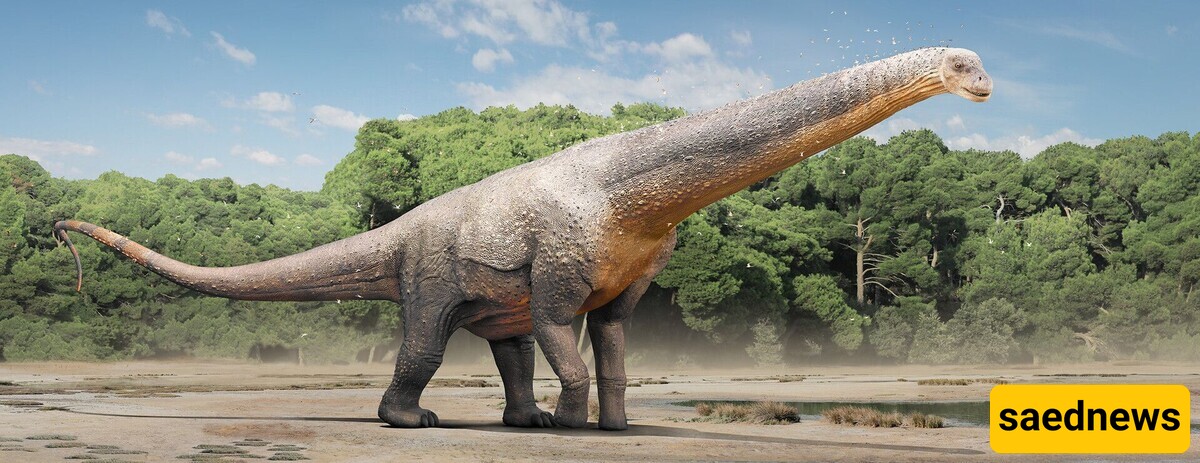
SAEDNEWS: Argentinosaurus, the largest dinosaur to ever live on Earth, is a symbol of the grandeur of life during prehistoric times.
According to SAEDNEWS; Over 66 million years ago, our planet witnessed one of the greatest extinction events in its history, leading to the end of the dinosaur era. Among them, Argentinosaurus, the largest dinosaur ever discovered, stands as a symbol of the grandeur of life during that period. But what factors led to the extinction of these massive creatures? The impact of a meteorite, volcanic eruptions, and drastic climate changes all played a role in forever altering the world of dinosaurs. In this article, we explore the life story and extinction of these prehistoric giants.
Argentinosaurus is one of the largest dinosaurs ever discovered. This herbivorous sauropod lived around 90 to 100 million years ago during the Cretaceous period in South America. Some of the features of this prehistoric giant include:
Length: About 30 to 40 meters (roughly the size of a 13-story building).
Weight: Estimated to weigh around 70 to 100 tons (equivalent to the weight of about 15 African elephants).
Features: A long neck, massive tail, and pillar-like legs that supported its immense body weight.
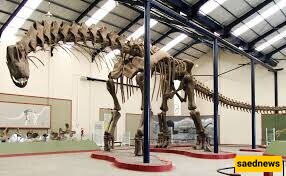
Dinosaurs, including Argentinosaurus, went extinct around 66 million years ago in a mass extinction event known as the Cretaceous-Paleogene (K-Pg) extinction. This massive extinction was caused by several factors, with the most significant ones outlined below:
A meteorite, about 10 kilometers in diameter, struck the region that is now the Gulf of Mexico (Chicxulub crater).
The impact released an amount of energy equivalent to billions of nuclear bombs, creating huge clouds of dust and ash.
The dust covered the Earth’s atmosphere, blocking sunlight, which disrupted photosynthesis and the food chain.
Massive volcanic eruptions in an area now known as the Deccan Traps in India released large amounts of greenhouse gases and sulfur into the atmosphere.
These gases caused severe climate changes, acid rains, and a drop in temperatures.
Climate changes, driven by the meteorite impact and volcanic activity, destroyed the dinosaurs' habitats.
The drop in temperature and the destruction of food sources led to the gradual extinction of herbivorous species, followed by carnivores.
At the end of the Cretaceous period, changes in sea levels led to the destruction of coastal habitats that many species depended on.
Large Nutritional Needs: Due to its enormous size, Argentinosaurus required a vast amount of vegetation for food. With the destruction of plant life, this dinosaur could not survive.
Slow Reproduction Cycle: Large dinosaurs usually matured slowly and produced few offspring, which reduced their ability to rebuild their population.
Dependence on Specific Habitats: Argentinosaurus' habitat was likely destroyed by the environmental and climate changes.
Argentinosaurus, as one of the largest creatures on Earth, symbolizes the grandeur of the dinosaur world. However, a combination of cosmic and terrestrial factors led to the extinction of these magnificent beings. Today, the fossil remains of these dinosaurs help us better understand the history of life’s evolution on Earth.