SAEDNEWS: No water, no worry — here’s a quick, practical list of what you can use for tayammum and how to do it properly so your prayers stay valid
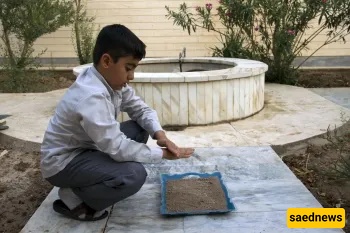
According to SAEDNEWS, this article examines the subject of tayammum in Islam and answers frequent questions on the topic. It provides a comprehensive explanation of the conditions and materials on which tayammum may be performed.
Tayammum is a ritual act of worship in Islam used in specific circumstances. This practice gains special importance when a person cannot access water—due to illness, travel, or any other reason. This article addresses the topic of tayammum and answers common questions. Below is a comprehensive explanation of the conditions and the items on which tayammum may be performed.
Tayammum means using clean soil or an earth-derived material to purify oneself and prepare for prayer when water is unavailable. This act is presented in Islam as a valid substitute for wudu (ablution) and ghusl (full ritual bath). The Qur’an also refers to the practice.
Tayammum should be performed under certain conditions:
Lack of access to water: if a person cannot use water for reasons such as illness, travel, or the water being too cold.
Injury: if using water would cause harm, e.g., there is a wound or injury.
Absence of water for an extended time: in some special cases a person may truly be unable to find water for a long period.

Tayammum is done on items that come from the earth. Some of these include:
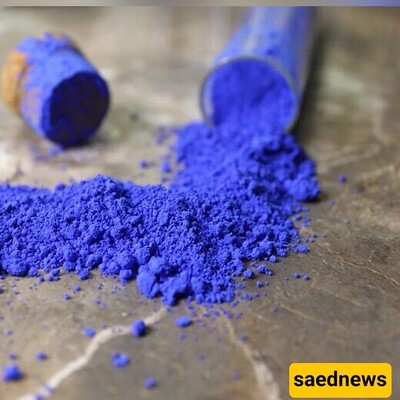
Soil is one of the principal materials used for tayammum. This soil must be clean and free from contamination. In general, soil gathered naturally from the ground, if uncontaminated, may be used for tayammum.
Natural and smooth stones can also be used for tayammum. These stones must be clean and devoid of any impurity.
Brick, as a building material, may be used for tayammum provided it is clean and pure.
Tayammum has a few specific steps that should be carried out carefully:
Intention (niyyah): First the person should intend that the tayammum is for performing prayer.
Strike the soil: Strike the hands on the soil, stone, or brick so that dust adheres to the hands.
Wipe the face: After striking, wipe the face once with the hands.
Wipe the hands: Then wipe the hands over each other (from the elbow to the fingertips).
Tayammum is valid in any case: even if the person thinks they might be able to access water later, if using water is practically impossible at that moment they may perform tayammum.
Tayammum is obligatory for everyone when water is not available: every Muslim must perform tayammum if water cannot be used.
Tayammum must be done on clean surfaces: ensure the surface used for tayammum is pure.
Can one perform tayammum on any kind of soil?
No — the soil must be clean and free from contamination. Naturally obtained earth is generally suitable.
Can tayammum be used instead of ghusl (full bath)?
Tayammum is not an acceptable substitute for ghusl for cases that require full ritual bathing. It is intended as a substitute for wudu and for enabling prayer when water cannot be used.
Is artificial soil allowed for tayammum?
It is better to use natural soils. If artificial material is completely clean and free from impurities, it may be acceptable, though natural earth is preferred.
Is tayammum permissible with materials like plaster or cement?
Generally, tayammum should be performed with materials that come from the earth; using plaster or cement is usually not recommended.
Does performing tayammum invalidate an existing wudu?
Tayammum itself does not invalidate wudu. However, if after tayammum water becomes available, one should perform wudu in the usual manner.
Tayammum is an essential and valid act of worship in Islam applied under special circumstances. It requires knowledge of the conditions under which it may be performed and the materials valid for it. Given the importance of the matter, every Muslim should know how to perform tayammum correctly in different situations and make use of it when appropriate.
![[VIDEO] The Seals and Signatures of Iranian Monarchs: A Legacy of Beauty, Power, and History](https://en.saednews.com/storage/files/post/d63fc0ab-2fc9-4024-8c69-415ec43691fc-TgsrWajpsv6FnOxM/1x1-68bece3d9ccc068fc3012dc363494437.jpg)










![[VIDEO] Abdoogh Khiar - Persian Cold Yogurt Soup with Cucumbers, Herbs, Walnuts & Raisins](https://en.saednews.com/storage/files/post/ed15eb40-835f-4846-be05-4ef612f8c056-5d9vLs9cbEylTLpr/1x1-5091895.jpg)


![[PHOTOS] TOP BEST JEWERLY From Iran's National Jewelry Museum!](https://en.saednews.com/storage/files/post/9bb6a414-d616-4f0e-8ff0-59f43fc81343-7IhMI3Osfh9CDclS/1x1-national-jewelry-museum-of-iran-4.jpg)