SAEDNEWS: Fruits and vegetables travel a long distance before reaching us; as a result, they are exposed to chemical toxins, soil, environmental pollution, and even various viruses and bacteria that can cause diseases.
According to Saednews family services report, citing Sabz-e Man, fruits and vegetables are among the most important components of our diet. Therefore, disinfecting them—especially in the presence of bacteria and viruses such as COVID-19—is extremely important. Since fruits and vegetables are often consumed raw, proper cleaning is essential. If not done correctly, these valuable foods may become a health risk. When purchasing fresh produce, try to choose high-quality and fresh items as much as possible.
Washing fruits and vegetables before consumption is much easier than it seems. Here is how to do it correctly:
First, wash your hands thoroughly with soap and water for at least 20 seconds. Germs and viruses can easily transfer from your hands to food products.
Moisture creates an ideal environment for bacterial growth. If you wash produce too early, you may unintentionally encourage bacterial growth. These bacteria are not always dangerous, but they can accelerate spoilage—especially if you are trying to store produce for longer periods.
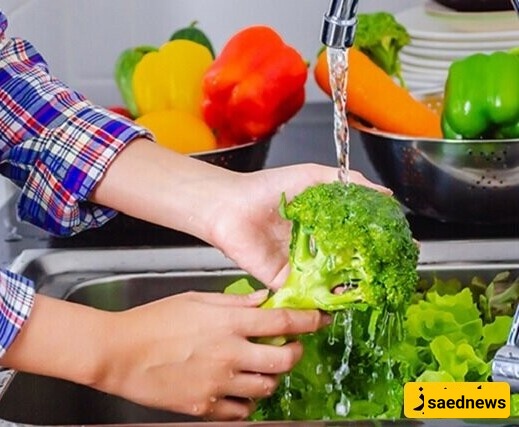
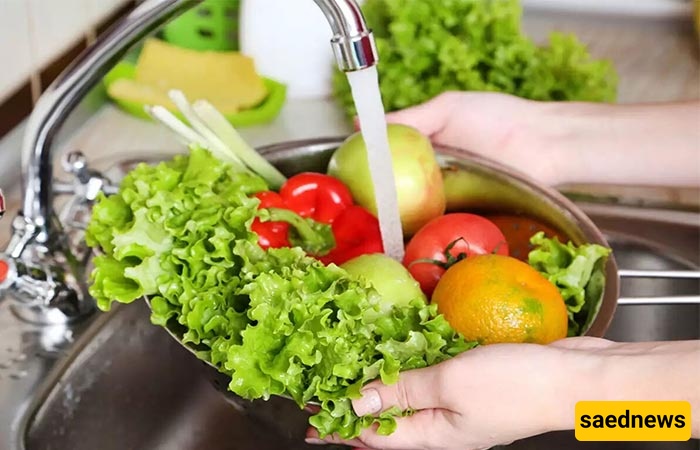
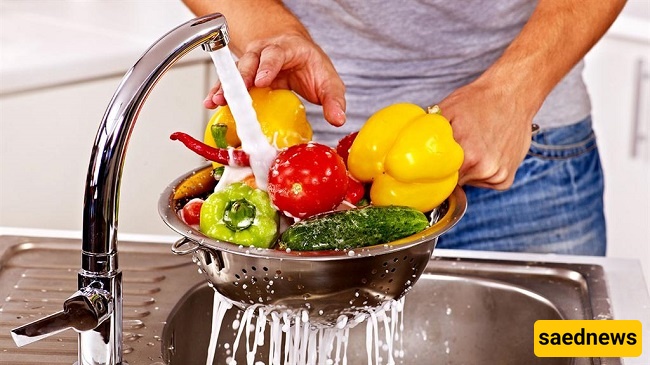
During the COVID-19 pandemic, some recommendations suggested washing fruits and vegetables with soap or dishwashing liquid. However, according to agricultural authorities, this is not advisable. Many fruits and vegetables have porous surfaces that can absorb chemicals. The best method is to rinse each item under cold running water for at least 30 seconds. If you plan to peel or cook them, avoid using hot water, as it may allow microorganisms to penetrate more easily.
In most cases, washing with cold water is sufficient for safe consumption. However, additional techniques may be useful for certain foods.
For leafy vegetables like lettuce or cabbage, remove outer damaged layers before washing, as they may contain bacteria.
For hard produce such as apples, citrus fruits, potatoes, and carrots, use a vegetable brush while rinsing under cold water.
For softer items like berries, tomatoes, and mushrooms, gently clean them using your fingers while washing.
If cold water washing seems insufficient, you can use a baking soda solution. A recent study published in the Journal of Agricultural and Food Chemistry found that baking soda is effective in removing pesticide residues.
Fill a sink with water and add one to two teaspoons of baking soda. Soak fruits and vegetables for 12–15 minutes. Then scrub firm produce with a brush if needed and dry them before consumption.
Both vinegar and salt have disinfecting properties. Mix one to two teaspoons of salt and one teaspoon of vinegar in water, and soak fruits and vegetables for about 15 minutes. Afterward, rinse them thoroughly with cold water.
You can also use fruit and vegetable washing solutions approved by health authorities. However, the most effective and recommended method remains washing with cold water, optionally followed by a baking soda soak.
The safest and simplest way to clean fruits and vegetables at home is rinsing with cold water. For deeper cleaning, a baking soda solution can be used as an additional step.