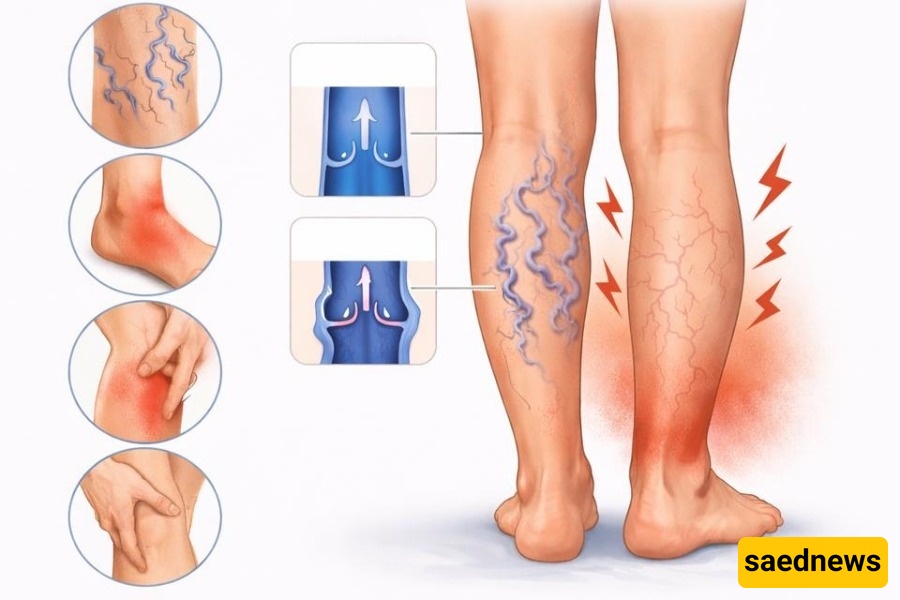
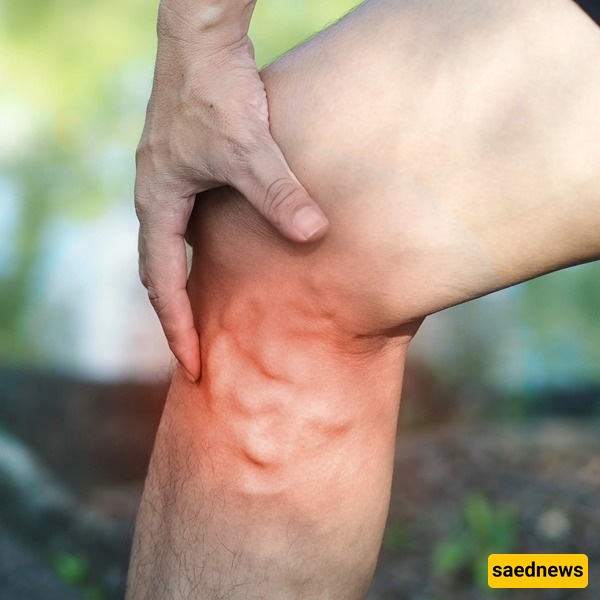
SAEDNEWS: The early signs of leg varicose veins often include enlarged, twisted veins that are visible on the calves and around the ankles. Mild swelling, a feeling of heaviness in the legs, and itching or a burning sensation are also common. These symptoms typically become more noticeable at the end of the day or after standing for long periods.
According to Saednews, Varicose veins often develop gradually, and the earliest symptoms can be subtle. Many people mistake them for normal tiredness after a long day, allowing the condition to progress unnoticed. Recognizing these warning signs early can help prevent complications and make treatment more effective.
The first signs of varicose veins may include:
A feeling of heaviness in the legs
Mild aching or discomfort
Legs becoming tired quickly, especially after standing for long periods
Slight swelling around the ankles
Spider veins (small red, blue, or purple veins visible beneath the skin)
Dark blue or purple veins that become more noticeable and may appear slightly twisted
These symptoms often develop gradually and should not be ignored, particularly if they occur regularly.
What to Know | Explanation |
|---|---|
Symptoms that are often overlooked | Leg pain without visible bulging veins, early fatigue after standing for a short time, and increased skin sensitivity can all be early warning signs. |
Difference from normal leg fatigue | Varicose vein symptoms tend to persist, do not completely disappear with rest, and are often accompanied by visible skin or vein changes. |
How rest affects symptoms | Ordinary fatigue usually improves after elevating the legs or lying down, while varicose vein discomfort may only improve partially. |
When symptoms become more serious | Increasing pain, persistent swelling, noticeable skin discoloration, or symptoms occurring every day indicate the need for medical evaluation. |
Appropriate action | Seek medical advice promptly, avoid self-diagnosis, and prioritize early detection to help prevent disease progression. |
Gradual darkening of the skin, particularly around the lower legs or ankles, may indicate poor blood circulation. When blood pools inside damaged veins, the surrounding skin can slowly develop brownish or darker patches over time.
One of the earliest visible changes is the appearance of enlarged blue or purple veins beneath the skin. These veins become more noticeable as pressure inside them increases and blood flow becomes less efficient.
Persistent itching around the lower legs without an obvious skin condition may be an early symptom of varicose veins. Blood pooling in superficial veins can irritate the surrounding tissues, causing ongoing discomfort. If itching occurs alongside skin discoloration, it should be evaluated by a healthcare professional.
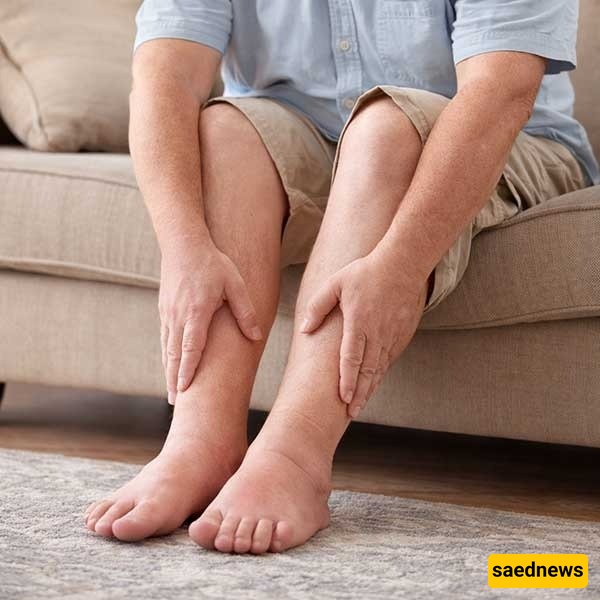
A persistent feeling of heaviness is one of the most common early complaints. When blood struggles to return to the heart, the legs may feel fatigued much sooner than expected, even after relatively light activity.
If shoes or socks feel tighter in the evening than they did in the morning, mild swelling may be developing. This occurs when fluids and blood accumulate in the lower legs after prolonged standing or sitting. Swelling that recurs daily deserves medical attention.
Some people experience a dull ache or pressure in the calves or ankles without any injury. The discomfort often becomes more noticeable after standing or sitting for extended periods. If the pain does not improve significantly after resting or elevating the legs, it may indicate early vein disease.
Painful muscle cramps, particularly in the calves during the night, can sometimes be linked to poor circulation caused by varicose veins. Frequent nighttime cramps should not automatically be blamed on fatigue or dehydration.
A warm, burning, or throbbing feeling in the legs—especially after standing for long periods—may result from increased pressure inside damaged veins. This symptom often becomes more noticeable toward the end of the day.
Early Varicose Vein Symptoms in Women and Men
Although the condition affects both sexes, symptoms may appear differently.
Group | Common Symptoms | Important Notes |
|---|---|---|
Women | Heavy legs, mild swelling, gradual skin discoloration, itching around veins | Hormonal changes, pregnancy, and prolonged standing can increase the risk and make symptoms appear earlier. |
Men | Prominent blue or purple veins, dull calf pain, frequent nighttime leg cramps | Symptoms are often recognized later, and the condition may be more advanced by the time it is diagnosed. |
Certain individuals are more likely to develop varicose veins and should pay close attention to early symptoms.
A family history of varicose veins significantly increases the likelihood of developing the condition. Even mild symptoms such as leg heaviness or subtle skin changes should not be overlooked.
Jobs that require prolonged sitting or standing place continuous pressure on the veins of the legs. Office workers, healthcare professionals, teachers, retail employees, and factory workers commonly experience early symptoms such as leg fatigue, swelling, and aching.
Pregnancy increases pressure on the leg veins while hormonal changes can weaken vein walls. These factors raise the risk of developing varicose veins during or after pregnancy.
Why Early Detection Matters
Ignoring early symptoms can allow varicose veins to worsen over time, leading to more noticeable vein enlargement, persistent pain, skin damage, and other complications. Identifying the warning signs early allows for timely medical assessment, lifestyle adjustments, and appropriate treatment before the condition progresses.
Early varicose veins are more than a cosmetic concern. Symptoms such as leg heaviness, mild pain, swelling, itching, visible veins, skin discoloration, burning sensations, and nighttime cramps may all signal underlying vein disease. Paying attention to these early changes and seeking professional evaluation can help preserve vein health and reduce the risk of long-term complications.