SAEDNEWS: Beauty has long been a central concern for humanity. Among the most shocking beauty standards of the Victorian era was one so extreme that it claimed the lives of numerous women.
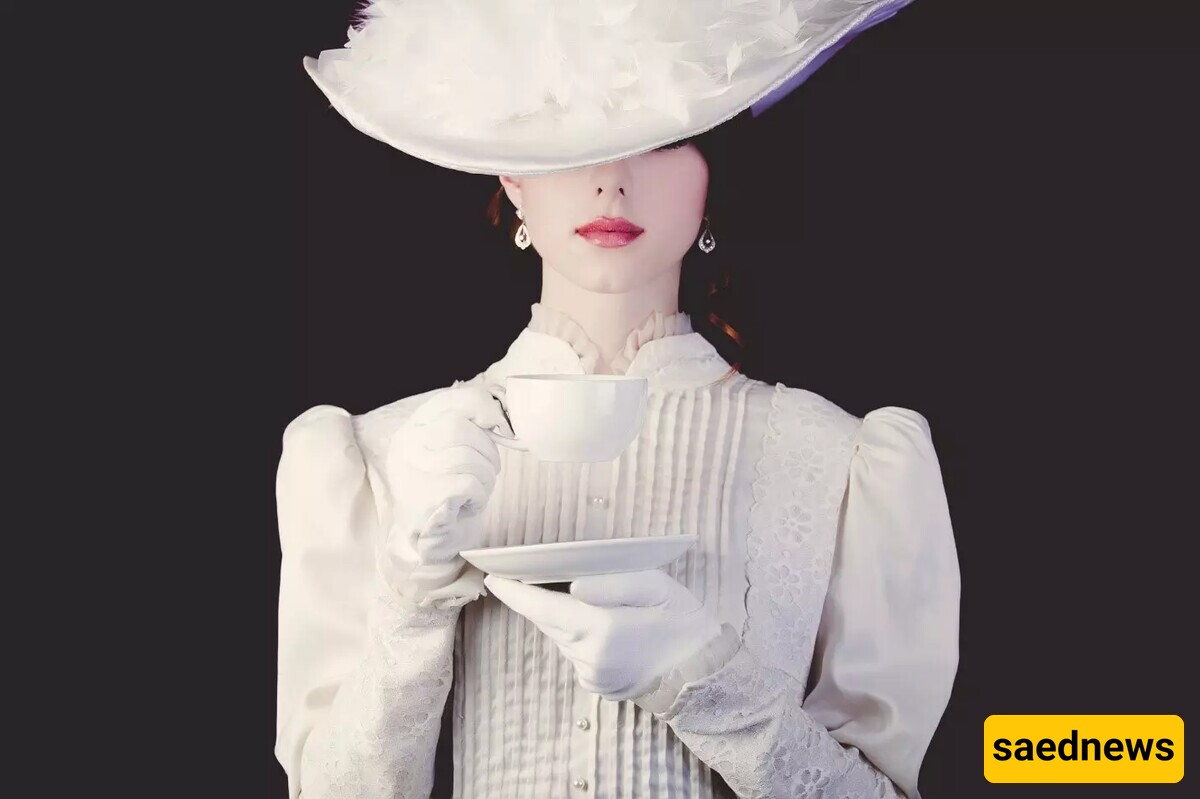
According to SAEDNEWS: one of the most dangerous beauty trends of the Victorian era was the “tuberculosis look.” Women were obsessed with the appearance that tuberculosis gave: pale skin, rosy lips, and a slender waist. This led to a disturbing wave in which women either deliberately tried to contract the disease or artificially mimicked its symptoms by whitening their skin and reddening their lips.
Women of this era also wore extremely tight corsets that caused numerous physical health issues. Some even sucked on lead pencils or consumed vinegar to achieve the desired look.
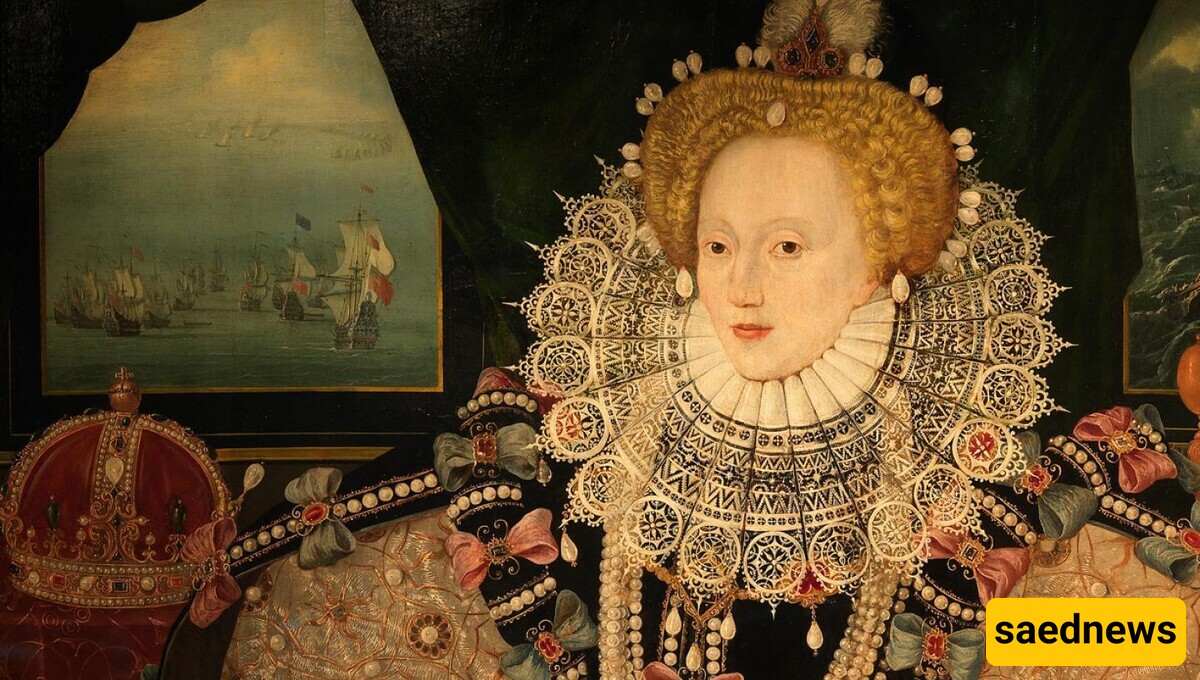
The “tuberculosis look” became so popular among 19th-century women that it was even reflected in their portraits and paintings.

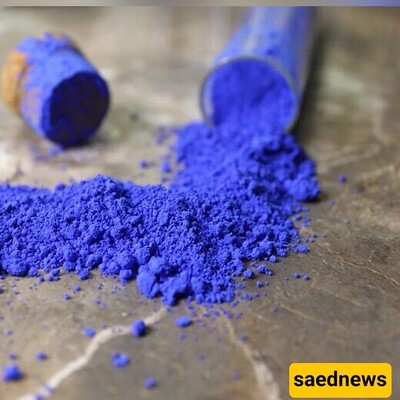
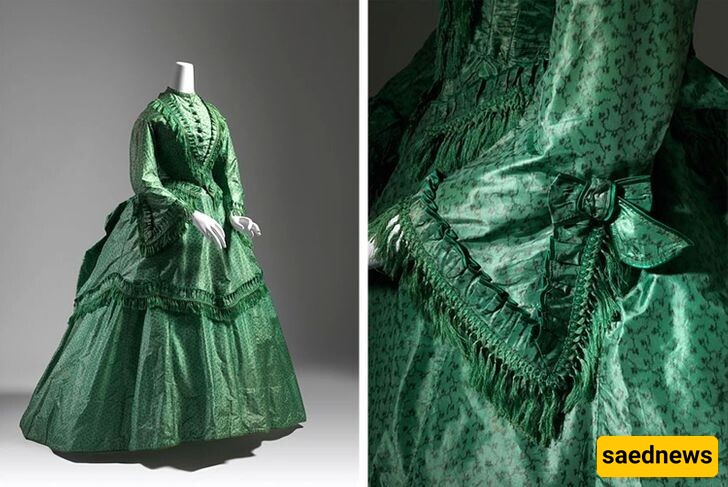
During this period, green-colored clothing became highly fashionable. However, to dye fabrics green, a deadly pigment containing arsenic was used.
This color was known as “Paris Green,” and it was also used in wall paints. Although many people died from arsenic exposure during the Victorian era, it took years before the connection between the chemical and the rising death toll was recognized.
The pigment had a vibrant shade of green that looked stunning on clothing, but when exposed to water, it released a lethal chemical.
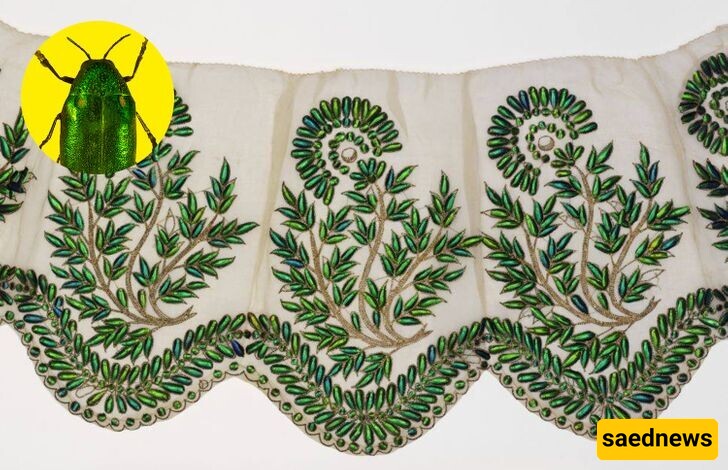
In the Victorian era, dressmakers also decorated garments with beetle wings. These wings were easily collected by capturing the insects during mating and using their wings after death.
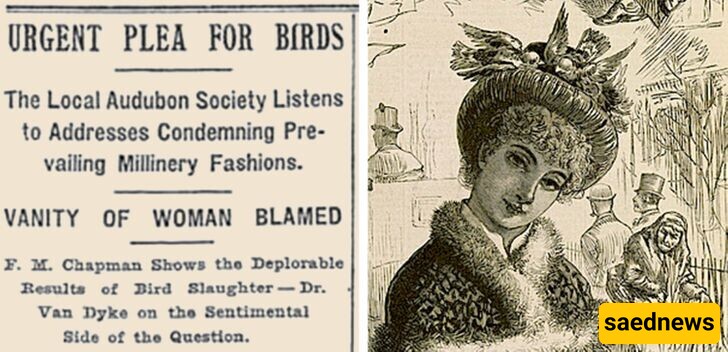
Perhaps the most tragic fashion trend was the use of taxidermied bird feathers to decorate women’s hats. The demand became so high that bird populations began to decline. Fortunately, this trend didn’t last long, as activist movements—many led by women—emerged to protect the birds and push back against this practice.
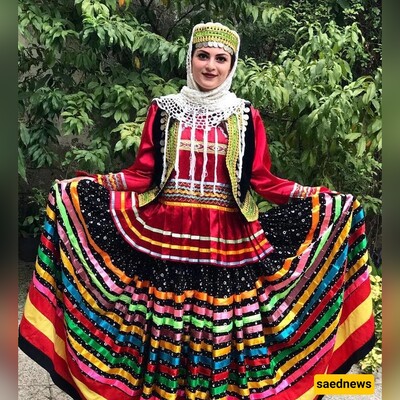
When narrow dresses fell out of fashion in the later decades of the 19th century, the width of women’s skirts gradually increased. These skirts became so wide that layering fabric alone wasn’t enough to achieve the desired volume. This led to the invention of the crinoline, a cage-like structure made of steel hoops connected by cords, which gave skirts their exaggerated shape.
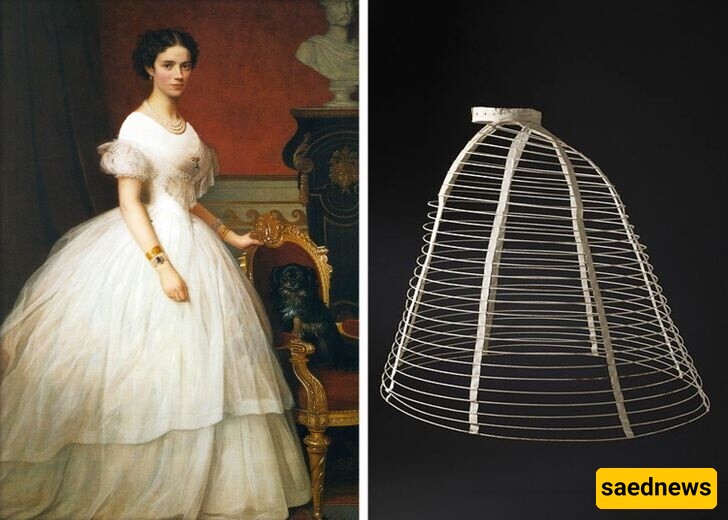
These wide skirts not only made walking difficult but also posed serious health risks for women of that era.