SAEDNEWS: Can Vitamin Deficiencies Cause Joint Cracking? The Role of Vitamins D, C, K, and B12 and the Real Reasons Behind Joint Sounds

According to Saednews, Joint noises, medically known as crepitus, are among the most common concerns affecting people of all ages. Many people hear popping, clicking, or grinding sounds in their knees, neck, shoulders, or fingers and wonder what causes them.
The scientific answer is that, in most cases, no specific vitamin deficiency directly or definitively causes joint noises. These sounds usually result from gas bubbles in the synovial fluid, tendons and ligaments moving over bony structures, cartilage wear, or mechanical changes within the joint.
However, certain nutritional deficiencies can weaken bone, cartilage, and muscle health, potentially contributing indirectly to joint discomfort and movement problems.
Joint sounds can occur for several different reasons:
Gas bubbles: Synovial fluid contains dissolved gases. As a joint moves, these gases can form or shift, producing a popping sound. This is generally harmless.
Tendon and ligament movement: Tendons or ligaments may slide over bones, creating clicking sounds.
Cartilage wear: In osteoarthritis, cartilage becomes rough or damaged, sometimes producing grinding noises.
Joint injuries or instability: Ligament tears, meniscus injuries, and joint instability can cause clicking or popping.
Muscle tightness and imbalances: Weak muscles surrounding a joint can alter its movement patterns.
Importantly, joint noises are common even among healthy individuals. If the sounds occur without pain, swelling, or restricted movement, they are usually not a cause for concern. However, noises accompanied by other symptoms may require medical evaluation.

The short answer is that no single vitamin deficiency has been scientifically established as a direct cause of joint cracking or popping.
Vitamin deficiencies can affect bone, muscle, cartilage, and nerve health. However, joint noises are generally mechanical symptoms rather than specific indicators of a nutritional deficiency.
Some nutritional deficiencies may contribute to conditions that people associate with joint noises. The most relevant vitamins include vitamin D, vitamin C, vitamin K, and vitamin B12.
Vitamin D plays a crucial role in calcium absorption, bone health, and muscle function. Vitamin D deficiency is one of the most common nutritional deficiencies worldwide and can cause bone pain, muscle weakness, fatigue, and an increased risk of osteoporosis.
Can vitamin D deficiency cause joint cracking?
Not directly. However, low vitamin D levels can contribute to weakness in the muscles surrounding joints, musculoskeletal pain, and reduced bone quality. These factors may affect joint movement and contribute to discomfort.
Although vitamin D is important for joint and musculoskeletal health, it should not be considered a proven cause of joint cracking.
Dietary sources of vitamin D:
Fatty fish, such as salmon and sardines
Egg yolks
Fortified dairy products
Moderate exposure to sunlight
If a deficiency is confirmed, supplements should be taken under medical supervision.
Vitamin C is essential for collagen production. Collagen is one of the main proteins found in cartilage, ligaments, and skin.
Severe vitamin C deficiency can lead to scurvy, a condition associated with joint pain, swollen gums, bleeding, and fatigue.
Can vitamin C deficiency cause joint cracking?
Severe deficiency can affect connective tissue health, but joint cracking alone is not a sign of vitamin C deficiency.
For most people, eating sufficient fruits and vegetables provides the vitamin C their bodies need.
Dietary sources of vitamin C:
Citrus fruits
Bell peppers
Kiwi
Strawberries
Tomatoes
Leafy green vegetables
Vitamin K plays an important role in bone metabolism and activates certain proteins involved in maintaining healthy bones.
Vitamin K deficiency is relatively uncommon in healthy adults but may occur in people with poor nutrition or conditions affecting nutrient absorption.
Can vitamin K deficiency cause joint cracking?
There is no direct scientific evidence that vitamin K deficiency causes joint noises.
Vitamin K is primarily important for bone health and normal blood clotting.
Dietary sources of vitamin K:
Leafy green vegetables
Spinach
Broccoli
Vegetable oils
Vitamin B12 is necessary for proper nerve function and red blood cell production.
Severe B12 deficiency can cause muscle weakness, numbness, tingling, and problems with balance or walking. These symptoms may contribute to discomfort and a feeling of uncoordinated movement.
Can vitamin B12 deficiency cause joint cracking?
Not directly. Vitamin B12 deficiency is more commonly associated with neurological symptoms and muscle weakness than with joint noises.
However, checking B12 levels may be important for vegetarians, older adults, and people with conditions that affect nutrient absorption.
Dietary sources of vitamin B12:
Meat
Fish
Eggs
Dairy products
People following a strict vegan diet may need B12 supplementation.
Although the main concern is vitamin deficiency, minerals also play an important role in musculoskeletal health.
Calcium: Essential for maintaining strong bones.
Magnesium: Important for normal muscle and nerve function.
Calcium and magnesium deficiencies may contribute to muscle cramps, weakness, and pain, but they are not established direct causes of joint cracking.
Overall, if someone asks which vitamin deficiency is associated with joint noises, vitamin D has the strongest indirect connection through its role in bone and muscle health. However, no vitamin deficiency should be considered a specific explanation for joint cracking.
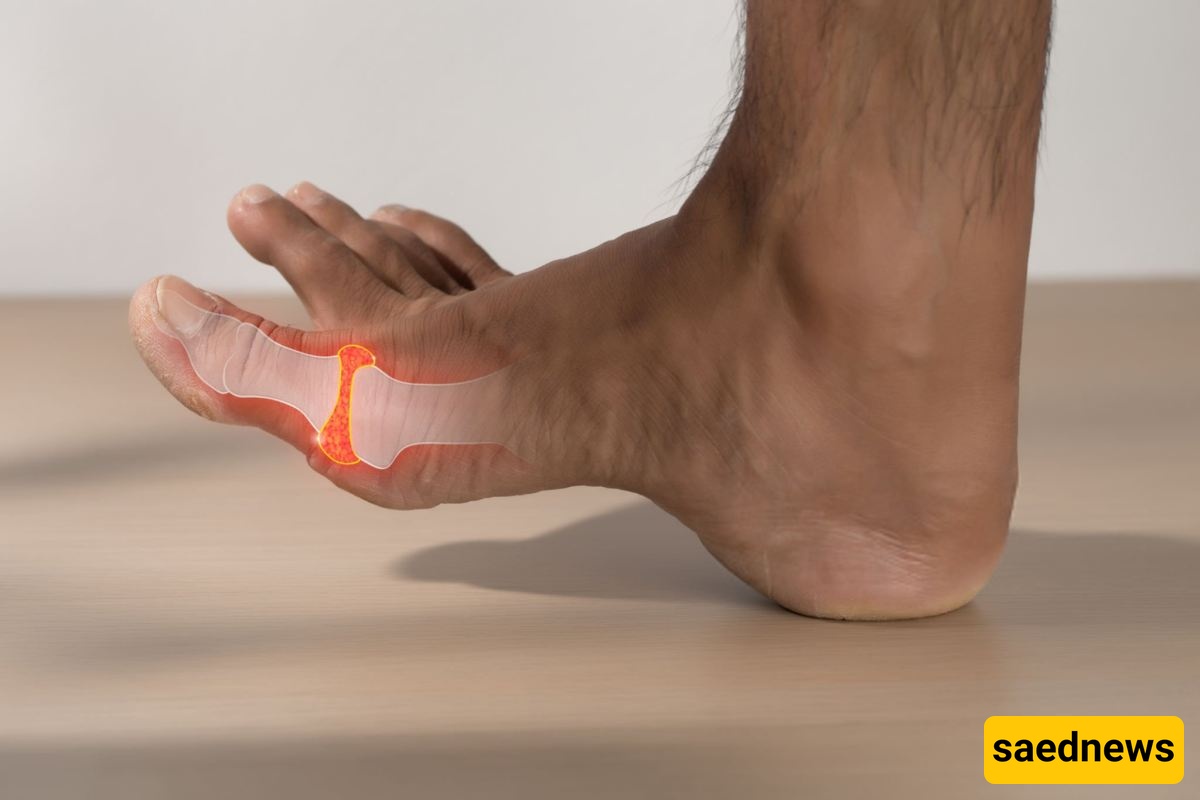
In most cases, mechanical and structural factors are more important than nutritional deficiencies.
Common causes include:
Osteoarthritis: Cartilage deterioration can produce grinding or cracking sounds, particularly in larger joints.
Patellofemoral pain syndrome: May cause knee clicking or popping when walking up or down stairs.
Gas movement in synovial fluid: A common and generally harmless cause of repetitive popping sounds.
Sports injuries: Ligament tears, meniscus damage, and muscle strains can cause joint noises.
Muscle weakness: Muscle imbalances can change normal joint movement.
Aging: Natural changes in cartilage and joint structures may increase joint noises.
Excess body weight: Additional pressure on the knees and hips can contribute to joint problems.
Joint noises are not always harmless. You should seek medical evaluation if they are accompanied by any of the following symptoms:
Persistent or severe pain
Joint swelling, warmth, or redness
Locking or catching of the joint
Inability to move the joint through its full range of motion
Muscle weakness or limping
Cracking sounds following an injury or sports accident
Fever accompanied by joint pain
These symptoms may indicate structural damage, inflammation, or an underlying rheumatic condition that requires professional assessment.
A doctor will usually begin with a physical examination and review of your symptoms and medical history.
Depending on the findings, the following tests may be recommended:
Vitamin D blood test
Calcium and magnesium tests
Vitamin B12 test
Inflammatory markers
Imaging studies, such as X-rays or MRI
Taking vitamin supplements without confirming a deficiency can be harmful. For example, excessive vitamin D intake can cause adverse effects and lead to dangerously high calcium levels.
You can support joint health and reduce discomfort by following these recommendations:
Maintain a balanced diet: Include fruits, vegetables, protein, dairy products, and sources of vitamin D.
Exercise regularly: Strengthen the muscles surrounding your joints through appropriate physical activity.
Maintain a healthy weight: Reduce unnecessary pressure on the knees and hips.
Get moderate sunlight exposure: Support your body's natural vitamin D production while protecting your skin.
Avoid unnecessary supplements: Take supplements only when needed and preferably following medical advice.
Warm up and stretch: Prepare your muscles and joints before exercise to reduce injury risk.
Get enough rest: Prioritize adequate sleep and stress management.
Joint cracking and popping are usually caused by normal mechanical processes, tendon movement, or changes in joint structures rather than vitamin deficiencies.
Vitamin D is particularly important for maintaining healthy bones and muscles, while vitamins C, K, and B12 also contribute to overall musculoskeletal health. However, none of these vitamins has been proven to directly prevent or eliminate joint noises.
If joint sounds occur without pain or swelling, they are generally harmless. If they are accompanied by pain, inflammation, stiffness, or movement difficulties, a medical evaluation can help identify the underlying cause.