SAEDNEWS: The Best Ways to Distinguish Real Gold from Fake Gold
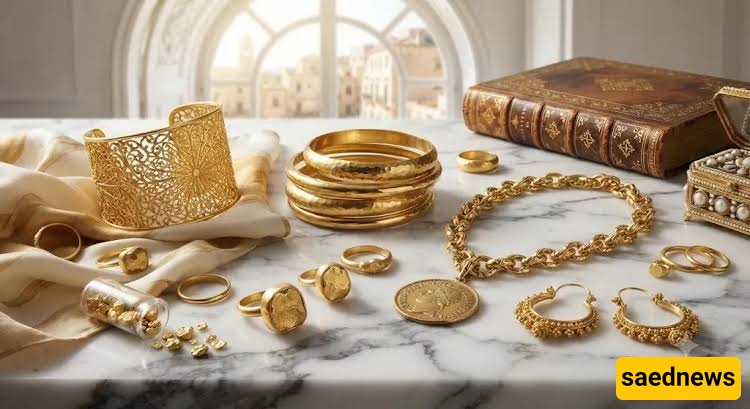
According to Saednews, Gold has always been one of the most popular precious metals in the world. Besides being widely used in jewelry making, it is also considered a valuable investment asset. Due to the significant rise in gold prices in recent years, identifying genuine gold from fake alternatives has become increasingly important. Many jewelry pieces may look almost identical to real gold but are actually made from cheaper metals or covered with a thin gold coating.
After purchasing gold or checking old jewelry at home, many people ask: How can we distinguish real gold from fake gold? Is there a way to perform an initial check without visiting a jeweler?
Fortunately, several methods can help identify real gold from fake gold at home. However, it is important to understand that home tests cannot always provide a definite result. For complete confirmation of a valuable piece, professional testing methods are recommended.
Because of its high financial value, gold has always attracted counterfeiters who produce fake versions. Many imitation jewelry pieces are made using metals such as copper, brass, nickel, or other alloys and then covered with a thin gold layer.
These items may appear very similar to genuine gold at first glance, but the main differences are found in:
Metal purity
Weight
Color durability
Market value
Chemical reactions
For example, 18-karat gold, one of the most common types of gold in many markets, contains approximately 75% pure gold, while the remaining percentage consists of other metals added to increase strength and durability.
Ways to Check If Gold Is Real at Home
One of the easiest initial checks is examining the markings engraved on the gold item.
Real gold jewelry usually contains purity marks that indicate its karat level. Common markings include:
Marking | Meaning |
|---|---|
999 | Almost pure gold |
750 | 18-karat gold |
585 | 14-karat gold |
916 | 22-karat gold |
However, these markings alone cannot guarantee authenticity because counterfeit products may also have fake stamps.
For better accuracy, hallmark inspection should be combined with other testing methods.

Using a magnet is one of the quickest home tests.
Gold is a non-magnetic metal, meaning genuine gold should not be attracted to a magnet. If a jewelry piece strongly reacts to a magnet, it may contain other metals.
However, this test has limitations:
Some non-gold metals are also non-magnetic.
Jewelry may contain multiple metal combinations.
Lack of magnetic attraction does not prove that the item is real gold.
Therefore, a magnet test should only be considered an initial check.
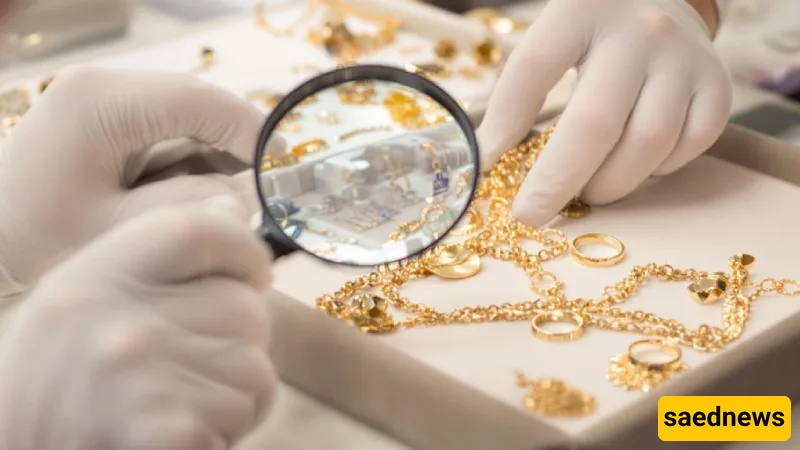
Real gold usually has a consistent color and natural shine. Using a magnifying glass can help you inspect different areas of the jewelry.
Look for:
Color changes in frequently touched areas, such as necklace clasps or ring edges
Exposure of the underlying metal
Peeling gold coating
Green or black stains
If the item only has a gold coating, the base metal may become visible after regular use.
One important characteristic of gold is its high density. Gold is heavier compared with many similar-looking metals.
Comparing the weight of a jewelry piece with a similar-sized object can provide useful initial information.
A more accurate method involves measuring density by:
Weighing the item with a precise scale
Measuring its volume
Comparing the calculated density with the density of gold
Pure gold has a density of approximately 19.3 grams per cubic centimeter.
This method works better for simple objects such as gold bars or coins. Jewelry with gemstones may produce inaccurate results.
Rings are more exposed to skin contact, making them more likely to show changes over time.
To inspect a ring:
Check the inside surface.
Look for discoloration where it touches the skin.
Examine the purity stamp inside the ring.
Compare the ring’s weight with its size.
Fake rings may sometimes leave green or dark marks on the skin after long use. However, this is not always a definite sign of fake gold, as it depends on the alloy composition.
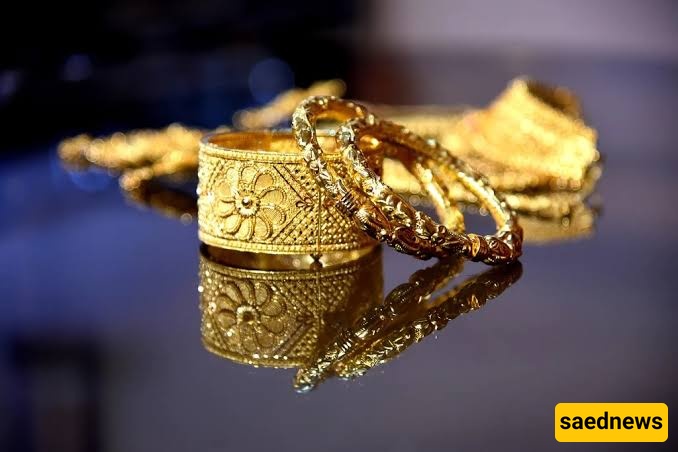
Gold chains can be harder to test because they are usually delicate and lightweight.
When checking a chain:
Inspect the clasp, where purity markings are commonly placed.
Look for color changes in high-contact areas.
Consider whether the weight matches the chain’s size.
Real gold chains generally feel heavier than they appear.
White gold can sometimes be confused with silver, platinum, or similar-looking imitation metals because of its silver-colored appearance.
To check white gold:
Examine the purity marking.
Look for changes in the surface coating.
Use professional testing methods when needed.
Many white gold pieces are coated with rhodium, which can wear away over time. A slight color change does not always mean the item is fake.
The touchstone method is one of the oldest and most recognized ways to test gold purity.
In this process, gold is rubbed against a special stone, and the remaining mark is compared with reference materials.
Advantages:
Low cost
Fast results
Commonly used by jewelers
However, accurate testing requires experience and is best performed by professionals.
One of the most accurate methods for testing gold is using an XRF (X-ray fluorescence) analyzer.
This device examines the metal composition without damaging the jewelry and determines the actual gold content.
With XRF testing, experts can:
Identify the true gold purity level
Detect the percentage of other metals
Identify gold-plated items
This method is commonly used in professional laboratories and gold testing centers.
Many home methods are shared online, but not all are scientifically reliable.
Vinegar may react with certain metals or coatings, but it is not a reliable method for confirming gold authenticity.
Lemon juice is a weak acid and cannot accurately determine whether gold is genuine.
Burning or heating gold at home is not recommended because it may damage:
The jewelry piece
Gemstones
Connections or settings
Identifying gold by sound requires significant experience and is not reliable for most people.
Comparison of Gold Testing Methods
Method | Accuracy | Best Use |
|---|---|---|
Hallmark inspection | Medium | Initial checking |
Magnet test | Low to medium | Quick screening |
Appearance inspection | Medium | Detecting gold plating |
Density test | Good | Simple gold items |
Touchstone test | High | Jewelry professionals |
XRF analysis | Very high | Professional verification |
To reduce the risk of buying fake gold:
Purchase from trusted sellers.
Always request an official receipt.
Check the listed weight and purity.
Be careful with prices that seem unrealistically low.
Use professional gold testing services for expensive purchases.
Gold standards and technical information are evaluated by recognized jewelry organizations and professional testing centers.
No. Pure gold is not attracted to magnets. However, this test alone cannot prove that gold is genuine.
For an initial inspection, combining hallmark checking, appearance examination, weight comparison, and a magnet test can be helpful. For definite confirmation, professional testing is required.
Sometimes discoloration indicates gold plating, but it can also occur due to storage conditions or the metal alloy used.
Most modern gold jewelry has purity marks, but some older or special pieces may not contain visible markings.
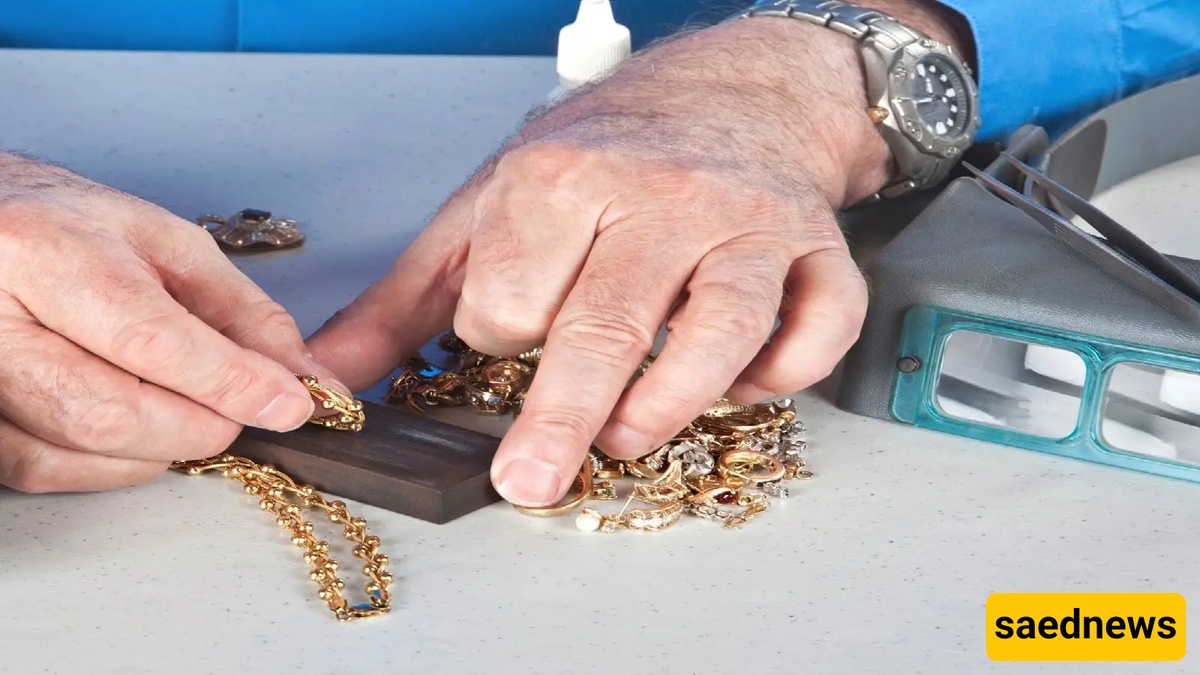
Identifying real gold from fake gold at home is possible through simple methods such as checking purity marks, examining appearance, using a magnet, and comparing weight. These techniques can help with an initial evaluation.
However, no home test can completely replace professional methods such as touchstone testing, gold purity analysis, or XRF technology. If a piece has significant financial value or you are unsure about its authenticity, the safest option is to have it examined by a trusted professional.
Understanding the characteristics of genuine gold and using proper identification methods can help reduce the risk of purchasing counterfeit jewelry and allow you to make more confident decisions when buying or evaluating gold.