SAEDNEWS: Stevia is a unique food ingredient, and its value comes from what it does not contain: calories. Unlike other sweeteners, stevia is derived from a plant and may be beneficial for people with diabetes and for weight loss. Stay with us to learn more about the benefits and potential side effects of this plant.
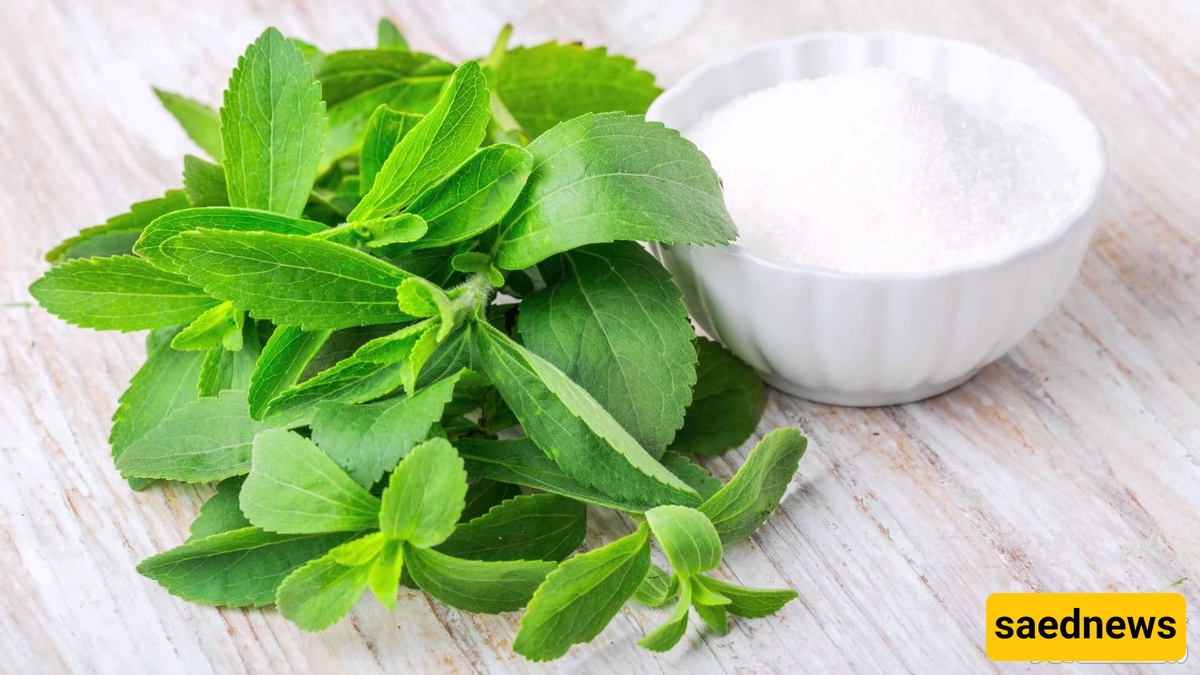
According to Saednews, Stevia is a plant species belonging to the Asteraceae family. Various species of stevia, commonly known as “candyleaf,” are native to New Mexico, Arizona, and Texas. However, the most well-known species is Stevia rebaudiana (Bertoni), which grows in Paraguay and Brazil. In those regions, people have been using its leaves for centuries to sweeten their food.
Moisés Santiago Bertoni, an Italian botanist, is credited with identifying and introducing this plant to the scientific community in the late 19th century. However, the indigenous Guaraní people had been using it for centuries before that. In their language, stevia is called “ka’a he’ê” (sweet herb). In traditional medicine, it has been used as a remedy for burns, colic, stomach problems, and sometimes even as a contraceptive. The leaves are also chewed recreationally.
It took nearly a decade for Bertoni to properly identify the plant, during which time it was considered a rare species. Later, it began to be cultivated widely, quickly transforming from a wild plant into an accessible agricultural product. Today, stevia plays a significant role in the sugar substitute market.
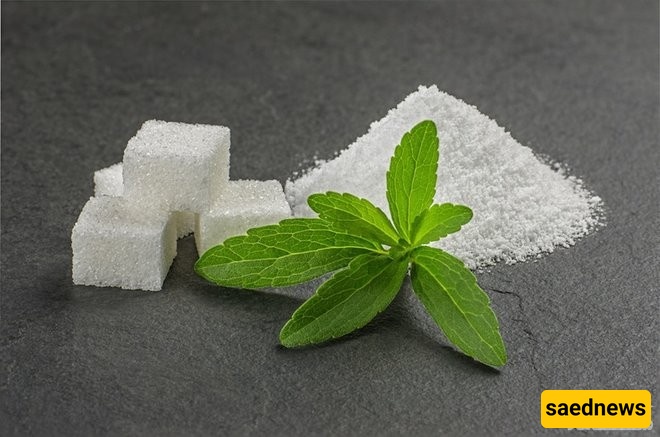
According to the U.S. Food and Drug Administration (FDA), high-purity steviol glycosides—refined extracts from stevia—are generally recognized as safe for use in food products. However, raw stevia leaves and crude extracts are not approved for use in the food industry.
The U.S. Department of Agriculture has reported that sugar consumption in the United States has steadily increased since the 1970s, leading to a growing demand for sweeteners. Market research estimated that the global sugar substitute market was worth over $13 billion in 2015 and was projected to reach $16 billion by 2020.
In 2000, only 18% of U.S. adults consumed low-sugar or sugar-free foods. By 2012, this figure had risen to 24% of adults and 12% of children, according to clinical nutrition reports.
Stevia contains no calories and is about 200 times sweeter than sugar by weight. Research suggests it may offer additional health benefits beyond sweetness. Some studies indicate that people who use stevia instead of sugar may experience reduced overeating and lower post-meal blood glucose levels. It may also lead to lower insulin levels compared to sucrose and aspartame.
A 2017 study published in a medicinal food journal suggested that stevia may have potential benefits for metabolic disorders such as obesity, diabetes, and high blood pressure, although further research is needed.
1. Skin Rejuvenation
Stevia contains antioxidants and vitamin C that may help reduce wrinkles and promote skin rejuvenation. A homemade mask can be made by mixing stevia powder with milk and applying it to the face for 20 minutes.
2. Eczema Treatment
Stevia has been used traditionally for skin conditions such as eczema. Topical application may help reduce itching and inflammation.
3. Weight Loss
As a low-calorie natural sweetener, stevia may help regulate blood sugar levels and reduce appetite, potentially supporting weight management.
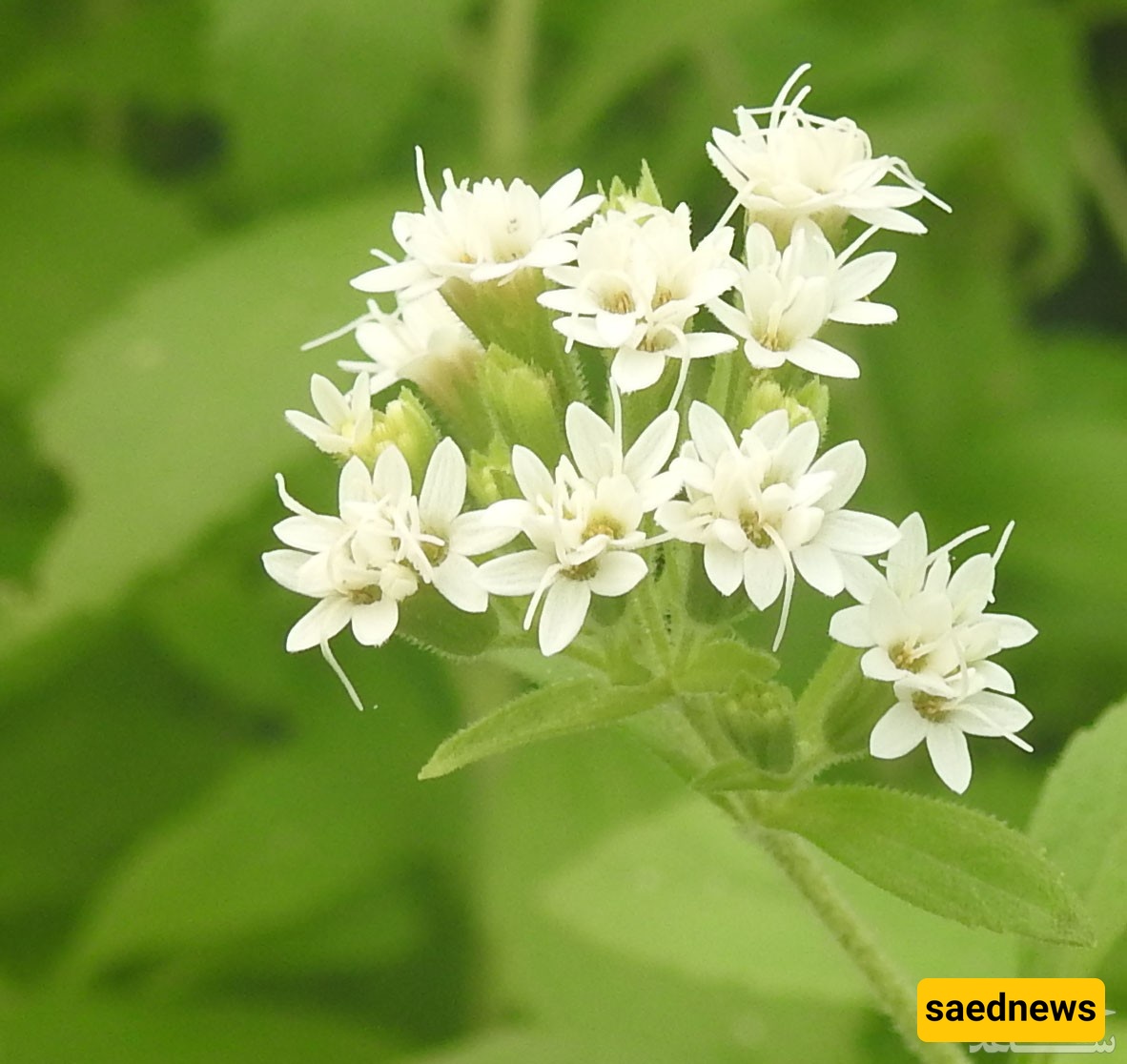
4. Diabetes and Blood Sugar Control
Stevia is considered a suitable sugar substitute for people with diabetes. Some studies suggest it may help lower fasting blood glucose and improve insulin sensitivity.
5. Smoking Cessation
Some research suggests stevia may assist in detoxification processes and help reduce nicotine dependence, supporting smoking cessation efforts.
6. Cancer Prevention
Stevia contains antioxidants such as quercetin and kaempferol, which may help protect against certain types of cancer, though evidence is still limited.
7. Blood Pressure Regulation
Steviol glycosides may help relax blood vessels and act as a natural diuretic, potentially reducing high blood pressure.
8. Liver Health
Stevia may support detoxification processes and contribute to liver health, including fatty liver improvement.
9. Heart Health and Cholesterol
Studies suggest stevia may help reduce cholesterol and triglyceride levels, lowering the risk of cardiovascular disease.
10. Oral Health
Stevia may reduce oral bacteria and tooth decay, making it a popular ingredient in toothpaste and mouthwash.
11. Bone Health
Some studies suggest stevia may improve calcium metabolism and support bone density, potentially helping with osteoporosis.
Pregnancy: There is insufficient data on safety during pregnancy and breastfeeding, so avoidance is recommended.
Diabetes and low blood pressure patients: Monitoring blood sugar and blood pressure is advised after consumption.
Allergic reactions: Some individuals may experience bloating, cramps, or headaches.
Stevia leaves and extracts can be used in beverages like tea and coffee, as well as in ice cream, sauces, candy, baked goods, and desserts.
Dried stevia leaves can be stored in a cool, dry place for long periods, but may crystallize if exposed to moisture.
It is suggested that daily consumption may range from 3 to 9 teaspoons of stevia leaves based on body weight.