SAEDNEWW:The placenta is a structure that develops inside the uterus during pregnancy. It provides the oxygen and nutrients needed for the fetus to grow and removes waste products from the fetal blood. When the placenta implants over part or all of the cervix instead of the uterine wall, it is called placenta previa.
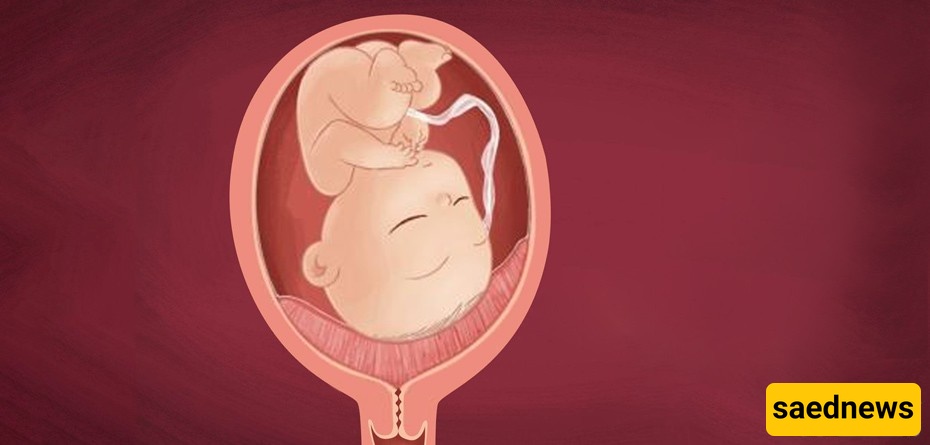
The placenta is a structure that develops in the uterus during pregnancy. It provides oxygen and nutrients necessary for fetal growth and removes waste from the fetus’s blood. Placenta previa occurs when the placenta implants over part or all of the cervix instead of attaching to the uterine wall in its normal position. This condition can block the baby’s passage toward the birth canal during labor. Placenta previa may occur in approximately 5% of pregnancies.
Placenta previa can be detected through ultrasound. For an accurate diagnosis, a specialist may combine abdominal ultrasound with transvaginal ultrasound, where the ultrasound device is inserted into the vagina. In rare cases, an MRI may be used to determine the exact position of the placenta within the uterus.
Sudden, painless bleeding, often bright red, usually appearing from the late second trimester to the third trimester. The closer the placenta is to the center of the cervix, the earlier the bleeding and the greater the blood loss. Immediate medical attention is essential.
Uterine cramping and pain
Symptoms of preterm labor
Although the exact cause of placenta previa is not fully understood, certain factors increase the risk:
Carrying twins or multiples, or having a large or abnormally positioned placenta
Previous cesarean delivery or uterine surgery
Previous smoking
Maternal age over 35
History of uterine curettage
Treatment depends on gestational age, bleeding severity, fetal health, and the position of the placenta and fetus.
Mild or no bleeding: Bed rest may be recommended, sometimes requiring extended periods lying down. If the placenta does not fully cover the cervix, vaginal delivery may be possible under medical supervision.
Severe bleeding: Hospitalization may be necessary to manage blood loss, sometimes requiring transfusions. Medications may be given to prevent preterm labor. After 36 weeks, cesarean delivery is often performed to ensure the baby’s safety.
Persistent bleeding: If bleeding continues and the fetus is at risk, immediate cesarean delivery may be necessary, even if the baby is not fully developed.
Placenta previa can lead to serious complications:
Severe bleeding: Potentially dangerous hemorrhage can occur during labor, delivery, or in the hours immediately after birth.
Preterm birth: Heavy maternal bleeding may necessitate early cesarean delivery, resulting in premature birth.