SAEDNEWS: Choosing the right flour is the most important factor in determining the quality, texture, and flavor of pasta. Semolina flour, made from durum wheat and known for its high protein content and desirable elasticity, is considered an excellent choice for making both homemade and industrial pasta.
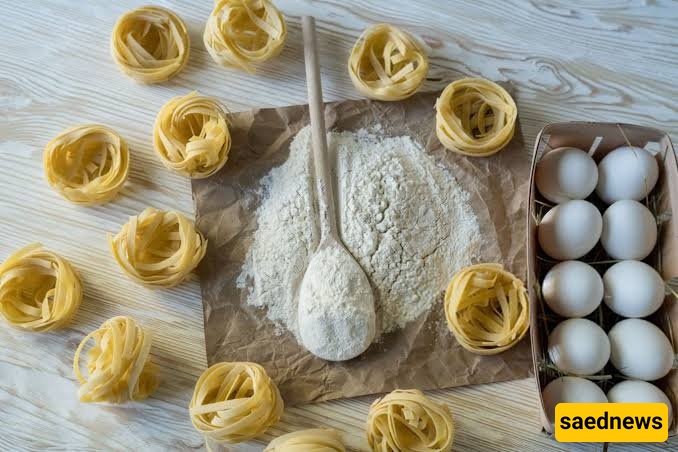
According to Saednews, Pasta is one of the most popular and widely enjoyed foods in the world, holding a special place in many cultures, from Italy to Iran. Pasta flour refers to a type of flour specifically developed and produced for making pasta dough. It needs to create a firm, elastic texture that can withstand cooking. Simply put, pasta flour should produce dough that retains its shape after kneading and cooking, does not become mushy, and preserves the natural flavor of wheat.
Semolina flour is made from durum wheat, a hard, yellow-colored, protein-rich variety of wheat that grows in warm and dry regions. Thanks to its unique properties, semolina is considered one of the best choices for making pasta.
Using semolina flour offers several advantages:
Highly elastic dough: Semolina creates a cohesive and elastic dough that is easy to shape.
Excellent cooking resistance: Pasta made with semolina holds its shape in boiling water and is less likely to become mushy.
Natural golden color: It gives pasta an attractive golden color without the need for chemical coloring agents.
Authentic flavor: The natural, wheaty flavor of pasta is well preserved when semolina is used.
High nutritional value: Semolina is rich in protein, fiber, and minerals.
Many people assume that high-quality pasta can also be made with regular white flour. While this is possible, the final result can be quite different. Pasta made with regular white flour generally:
Has less elasticity and can tear more easily
Breaks down or becomes softer more quickly during cooking
Has a softer and less durable texture
Does not have the same distinctive flavor as semolina pasta
Has a duller, less appealing color
Therefore, if your goal is to make high-quality, professional-style pasta, choosing semolina flour is an important part of the process rather than simply a luxury choice.
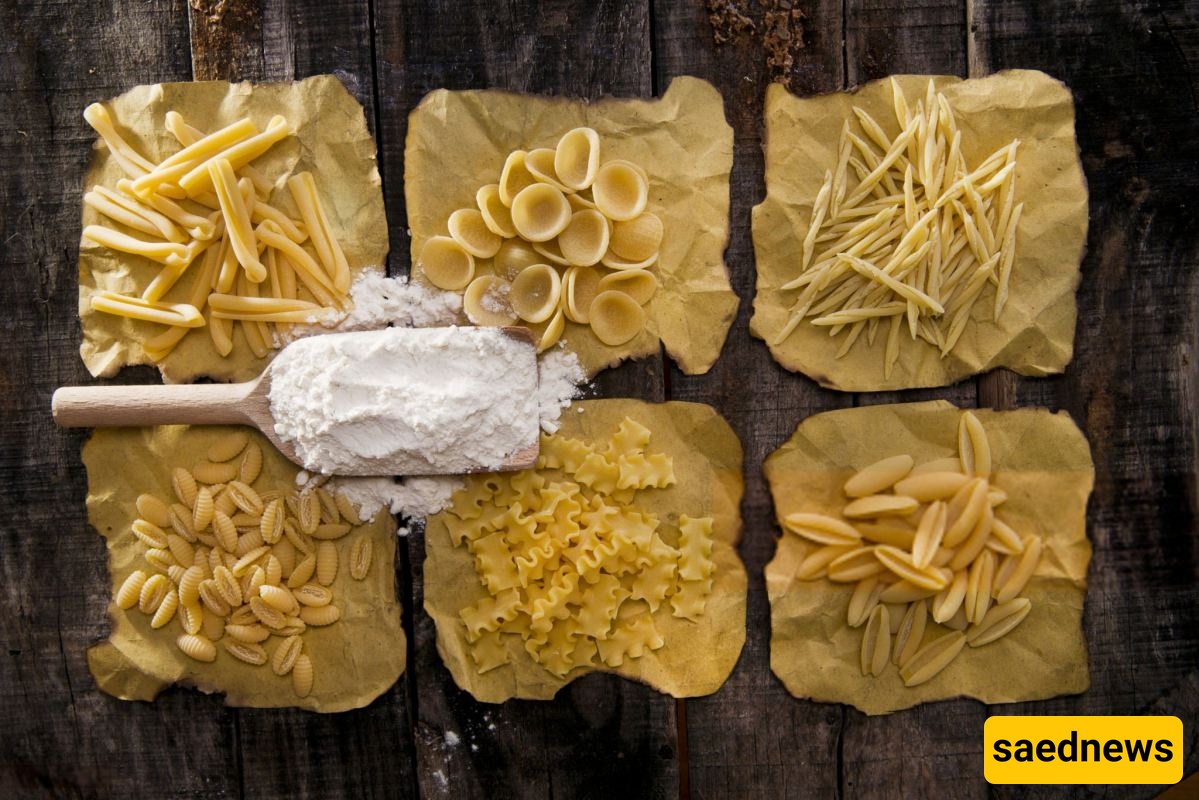
When choosing flour for pasta, consider the following characteristics:
High protein content: Flour suitable for pasta should generally contain around 12–15% protein.
Natural yellow color: Good pasta flour has a mild yellow color and does not rely on chemical bleaching agents.
Coarse texture: Authentic semolina has a slightly coarse texture, which is an indication of its milling characteristics.
No unnecessary additives: High-quality flour should not contain preservatives or unnecessary chemical additives.
Consistent particle size: The flour should have a relatively uniform texture so that the dough develops evenly.
If you want to make homemade pasta with a restaurant-style texture, you can try the following recipe.
2 cups semolina flour
2 eggs
A very small amount of salt
A little water, if needed
Pour the flour onto a clean, flat work surface and make a well in the center.
Add the eggs and salt to the center of the flour.
Gradually mix the ingredients with the flour until a smooth dough forms.
Knead the dough for 8–10 minutes, until it becomes smooth and elastic.
Cover the dough with plastic wrap and let it rest for 30 minutes.
Roll and cut the dough into your desired pasta shapes, then dry it if necessary.
To preserve the quality of semolina flour, follow these storage guidelines:
Store the flour in an airtight container in a cool, dry place.
Keep it away from moisture.
Protect it from direct sunlight.
For long-term storage, keep the flour in the refrigerator.
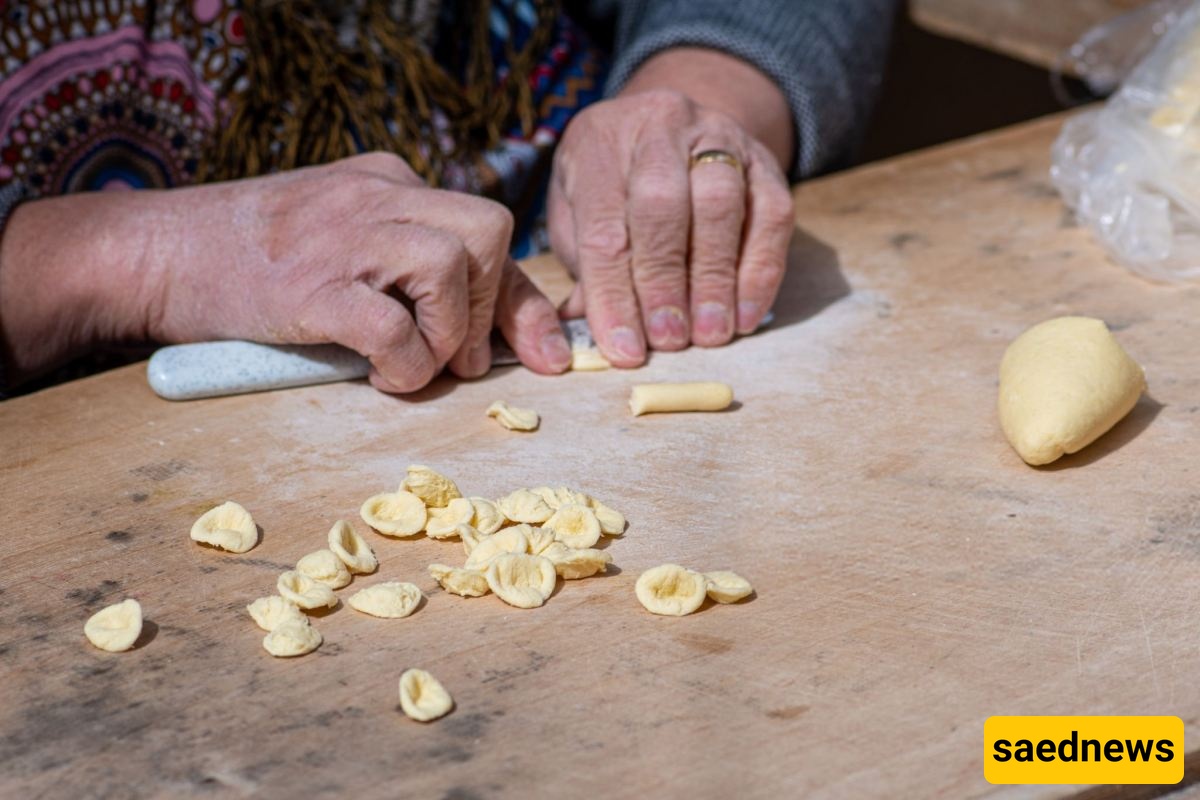
Many people make simple mistakes when preparing homemade pasta, which can affect the final quality. Some of the most common include:
Using regular white flour instead of semolina
Not kneading the dough sufficiently
Using old eggs
Overcooking the pasta
Drying the pasta incorrectly
By choosing the right flour and following these basic techniques, you can make homemade pasta with a firm texture, appealing appearance, and rich wheat flavor.