SAEDNEWS: 3 Easy Ways to Dry Figs
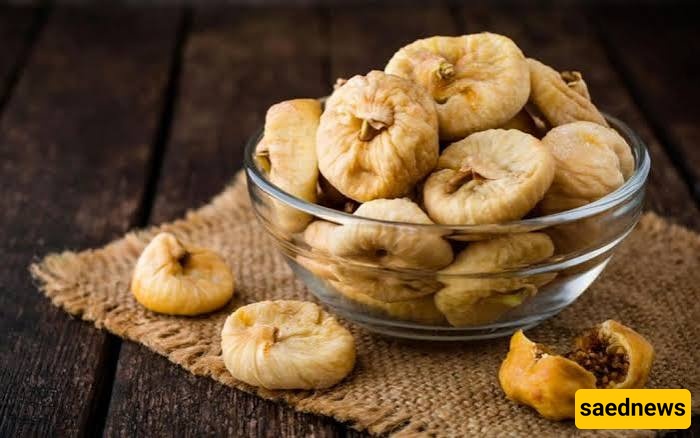
According to Saednews, Dried figs are a nutritious and popular dried fruit with a wide range of health benefits. There are several simple ways to dry fresh figs at home while maintaining their flavor, texture, and appearance. Below are detailed methods for drying figs in the sun, in the oven, and in a food dehydrator, along with some useful storage and preparation tips.
There are two simple ways to dry figs naturally in sunlight.
Step 1: Wash fully ripe figs thoroughly with water to remove any dirt or impurities. After washing, dry them completely with a clean cloth or paper towel. Make sure there is no moisture left on the surface.
Step 2: Cut the figs in half with a knife. Cutting them allows the fruit to dry more quickly and helps prevent moisture or syrup from remaining in the center.
Step 3: Prepare a wire rack or mesh tray by covering it with a clean cotton cloth. A mesh surface allows air to circulate around the fruit, which helps with the drying process. Place the halved figs on the cloth, then cover them with another clean cotton cloth to protect them from insects.

Step 4: Place the tray in direct sunlight. It usually takes around 4 to 5 days for the figs to dry completely. Check them regularly and turn them over so that both sides dry evenly.
Make sure the drying area receives sufficient sunlight. Avoid placing the figs in a shaded area, as they may spoil before they have dried properly.
Another traditional method is to thread the figs onto a string or skewer and hang them in a sunny, well-ventilated location.
Wash the ripe figs thoroughly.
Place the figs on clean paper or a cloth and allow them to dry completely.
Thread the figs onto a string or skewer.
Hang them in a location exposed to direct sunlight and good airflow until they are fully dried.
Preheat your oven to 140°F (60°C). The low temperature allows the figs to dry gradually and evenly.
Wash the figs thoroughly to remove any dirt.
Dry them with paper towels or a clean cloth.
Cut each fig in half.
Place the figs cut-side up on an oven-safe wire rack.
Leave them in the oven for approximately 13 to 18 hours.
Check them periodically and turn them over when necessary to ensure even drying.
The exact drying time can vary depending on the size and moisture content of the figs.
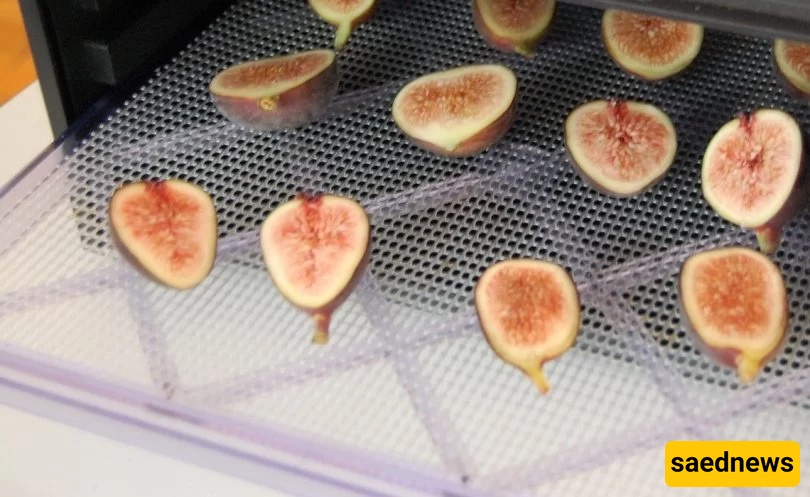
A food dehydrator is another convenient option for drying figs.
Wash the figs thoroughly with water.
Dry them completely with paper towels or a clean cloth.
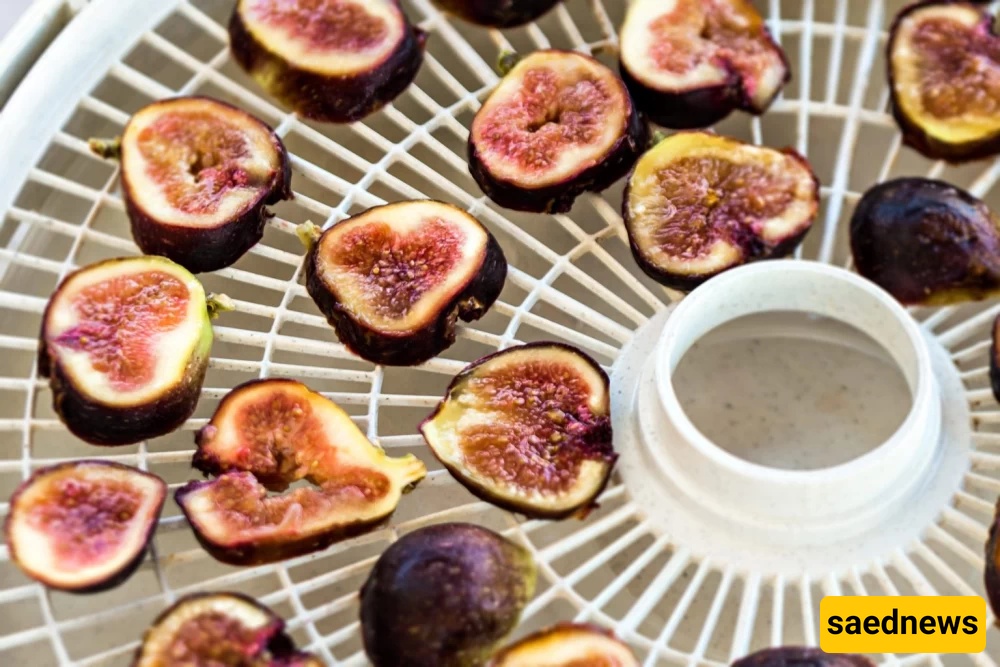
Cut each fig into four pieces.
Arrange the pieces on the dehydrator trays with the cut sides facing upward.
Dry the figs for approximately 8 hours, checking them occasionally.
Turn the pieces over during the process if necessary so they dry evenly.
Note: A temperature of 135°F (57°C) is generally appropriate for fruit dehydration. If using a dehydrator, follow the temperature and time recommendations in your appliance's manual.
The faster the figs dry under suitable conditions, the better their color and appearance are likely to remain.
Drying figs in a shaded, well-ventilated area can help preserve their appearance. A fan can be used to improve airflow and speed up the process.
Dried figs can be stored in the freezer to help maintain their quality for longer. Allow them to sit at room temperature for about 5 minutes before eating.
Avoid storing figs directly on stainless-steel surfaces for extended periods, as acidic fruits can potentially react with certain metals. If your tray is stainless steel, cover it with a clean cloth or a food-safe liner.
If you dry figs outdoors using sunlight and airflow, wash them with cold water before placing them in the freezer to remove any surface contaminants. Then allow them to dry completely indoors for about a day.
Before eating dried figs, you can soak them briefly in water to soften their texture.
These simple methods make it possible to prepare dried figs at home using sunlight, an oven, or a food dehydrator. Choosing the right method depends on the equipment available, the amount of time you have, and your preferred texture.