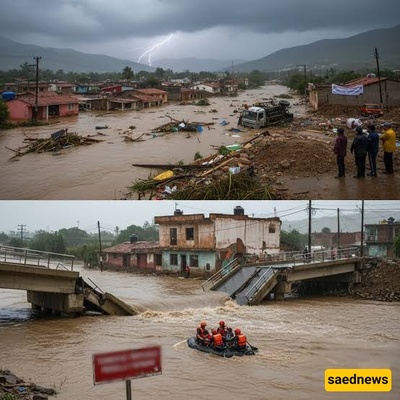
SAEDNEWS: According to experts, climate change will reshape our future food, making some resilient and sustainable crops more common.
According to Saed News via Beytoote, today only 13 crops provide 80% of the calories people consume worldwide, and nearly half of our caloric intake comes from wheat, corn, and rice. However, some of these crops may struggle to grow under higher temperatures, unpredictable rainfall, and extreme weather events caused by climate change. Droughts, heatwaves, and sudden floods are already harming crops around the globe.
Festo Masao, executive director of the Future Food Beacon, emphasizes: “We need to diversify our food basket.” The group studies the effects of climate change on food security at the University of Nottingham’s Malaysia campus. Samuel Pironon, an ecologist at the Royal Botanic Gardens, Kew, adds that investing in every possible solution might be the answer.
As scientists work to feed a growing population in a rapidly changing world, they are exploring ways to produce food sustainably while remaining compatible with the environment. Consumer preferences also play a role. Holly Froelich, an aquaculture and fisheries scientist at the University of California, Santa Barbara, notes: “We need the right combination: good appearance, taste, and affordability.”
Here are six foods that meet these criteria and could become staples on future menus and grocery shelves.
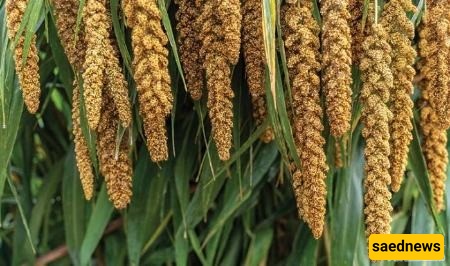
Nutrients: Carbohydrates, protein, minerals (potassium, phosphorus, magnesium)
Uses: Whole grains, gluten-free flour, pasta, chips, beer
The United Nations declared 2023 the International Year of Millet (several varieties exist). Quinoa received the same recognition in 2013, resulting in a surge in sales. Millet was first cultivated about 10,000 years ago in Asia and remains a staple in parts of Asia and Africa.
Compared with wheat, corn, and rice, millet is more climate-resilient. It requires little water and thrives in hot, dry environments. Along with ancient grains like teff, rooster comb, and sorghum, millet is sustainable and robust.
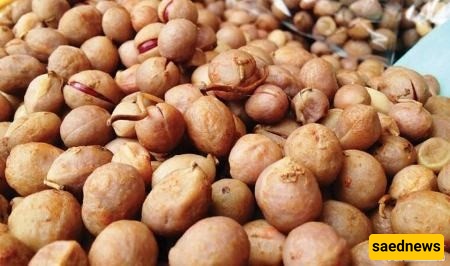
Nutrients: Protein, fiber, minerals (potassium, magnesium, iron)
Uses: Roasted or boiled, gluten-free flour, non-dairy milk
You’ve likely heard of almond or soy milk. The next alternative could come from Bambara groundnut, a drought-tolerant legume native to sub-Saharan Africa. Rich in protein, it has nitrogen-fixing bacteria that convert atmospheric nitrogen into ammonia, allowing it to grow in nutrient-poor soils without chemical fertilizers.
Festo Masao suggests that understanding this crop better could pave the way for breeding programs that make Bambara as widely used as soybeans, which are productive but less drought-resistant.
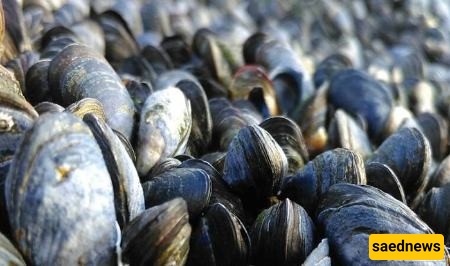
Nutrients: Protein, omega-3, vitamin B12, minerals (iron, manganese, zinc)
Uses: Steamed, with pasta, stews, and soups
Linguine topped with flavorful black mussels could one day become a regular dish. A 2020 report in Nature predicts that by 2050, black mussels and other bivalves such as wrinkled clams and scallops could make up around 40% of seafood consumption. Bivalve farms require no irrigation or fertilizers, making them scalable and affordable.
While all bivalves are valuable, Holly Froelich highlights that black mussels are particularly resilient and nutrient-rich but underappreciated. Their main threat comes from ocean acidification due to rising CO₂ levels, though seaweed might help mitigate this.
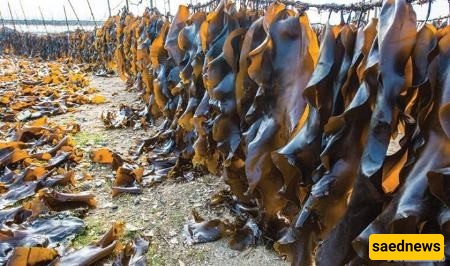
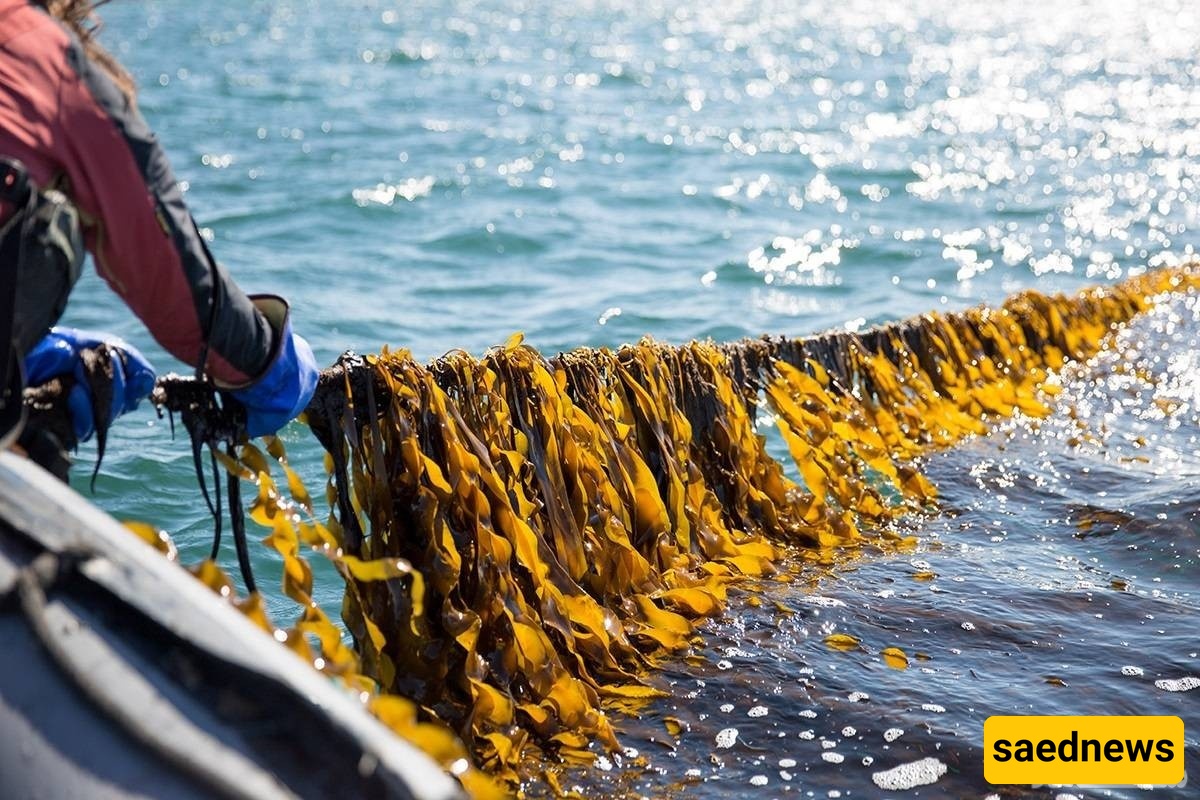
Nutrients: Vitamins and minerals (iodine, calcium, iron), antioxidants
Uses: Salads, smoothies, salsa, pickles, noodles, chips, toothpaste, shampoo, biofuels
Kelp has several climate-adaptive tricks. By absorbing CO₂ during photosynthesis, it can reduce acidity in surrounding waters. Farmers in Maine and Alaska cultivate kelp alongside bivalves to provide them with less acidic water. Kelp also stores carbon in its tissues, similar to underwater trees, making its production environmentally beneficial. Though widely consumed in Asia for millennia, kelp is still an acquired taste in Western countries.
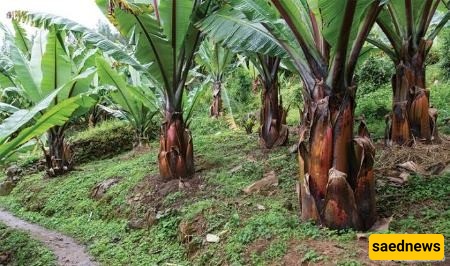
Nutrients: Carbohydrates, calcium, potassium, zinc
Uses: Cooking, flour, rope, sheets, construction materials
This drought-resistant plant, cultivated in Ethiopia, is known as a “false banana” because it resembles a banana tree, though its fruits are inedible. Also called the “anti-hunger tree,” its starchy stems can be harvested year-round, providing a reliable food source during dry periods.
A 2021 study in Environmental Research Letters suggests that Ethiopian banana cultivation could expand to other parts of Africa and beyond. James Bourrel from the Royal Botanic Gardens, Kew, notes that processing it into edible form is complex, so expansion must respect the traditional knowledge of local communities.
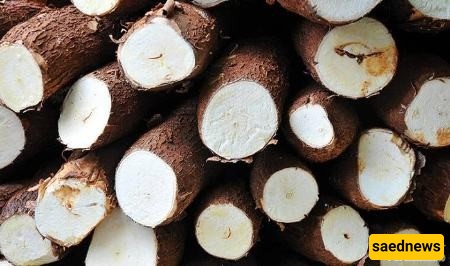
Nutrients: Carbohydrates, potassium, vitamin C
Uses: Whole cooked roots, gluten-free flour
Cassava, a starchy root vegetable from South America, combines climate resilience with nutritional benefits. Now grown in over 100 countries, it can tolerate temperatures up to 40°C and withstand drought and salinity. Higher atmospheric CO₂ can even boost its stress resistance and yield. While raw cassava contains toxic cyanide, peeling, soaking, and cooking the roots eliminates this hazard.