SAEDNEWS: Salt Lake Howz-e Soltan in Qom, also known as Shahi Lake or Saveh Lake, is located 90 kilometers from Tehran and 40 kilometers north of Qom city. Several rivers flow into this lake, which has earned the title of Iran’s largest natural mirror.
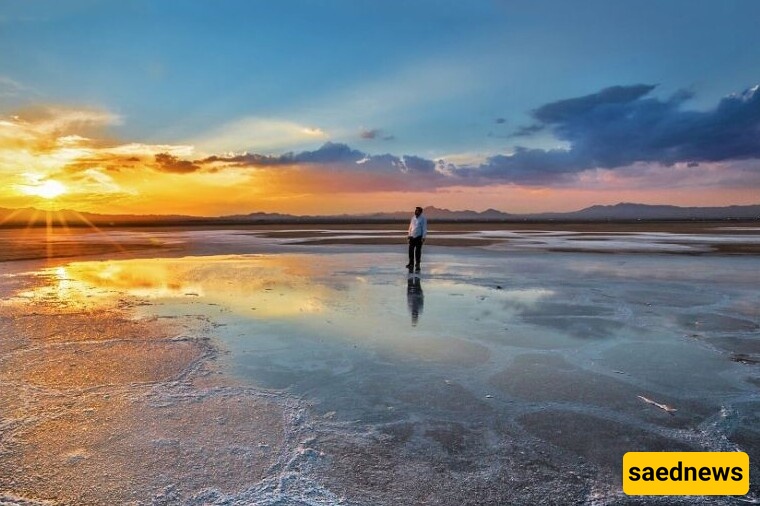
Howz-e Soltan Salt Lake in Qom, also known as Shahi Lake or Saveh Lake of Qom, is located 90 kilometers from Tehran and 40 kilometers north of Qom city. Several rivers feed into this lake, which has earned the title of Iran’s largest natural mirror.
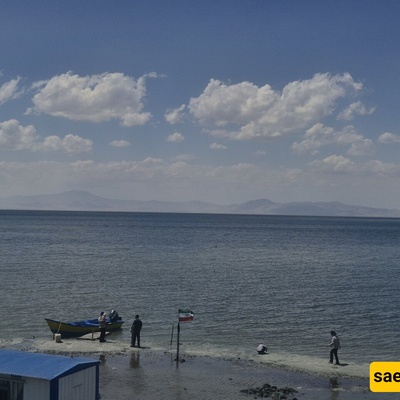
This stunning lake is one of Qom’s notable attractions and a remarkable natural site in Iran. It lies alongside the busy Tehran–Qom highway and was formed from the remnants of the ancient Saveh Lake, which has long disappeared. Its most striking feature is the perfect reflection of the sky on its surface, creating a breathtaking mirror effect.
The lake is situated 90 kilometers from Tehran and 40 kilometers north of Qom, along the Persian Gulf Highway. Your route depends on your starting point:
From Qom: Enter the Qom–Tehran highway and drive toward the 95 km Tehran marker. You will pass the Mahtab Complex and the first hill overlooking the lake before reaching the second hill. Next to the second hill, you’ll see the main salt mine road—a dirt path that leads down to the lake.
From Tehran: After 70 km on the highway, when you spot the tourism information sign, take the first underpass to the other side of the highway and head toward Cheshmeh Shur village. A short drive from there offers a direct view of Howz-e Soltan Lake.
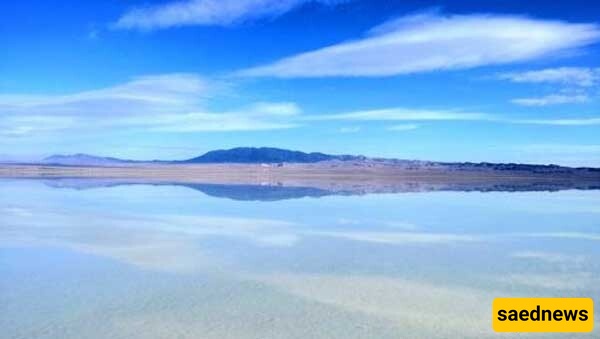
In 1883, Howz-e Soltan Lake did not exist, and the main route between Tehran and Qom passed through this area. Around that time, a landowner named Amin al-Soltan ordered the dam on the Shur River to be broken. This action flooded the original road, forcing it to be rerouted in a way that benefited his lands. Over time, the depressions of Howz-e Soltan and Howz-e Mareh filled with water.
The lake’s name originates from a caravanserai and water reservoir called “Howz-e Soltan,” built during the reign of Seljuk Sultan Sanjar, which served as resting spots for travelers before the route to Qom was altered.
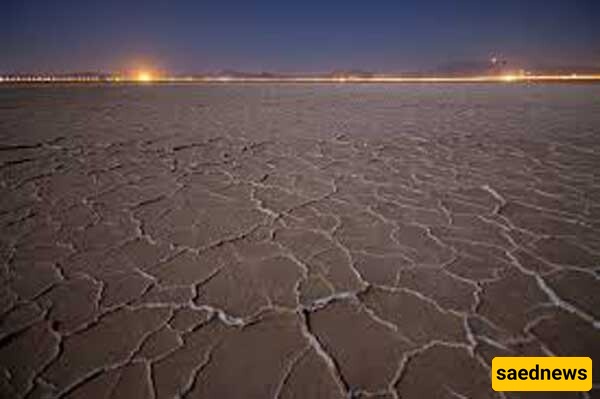
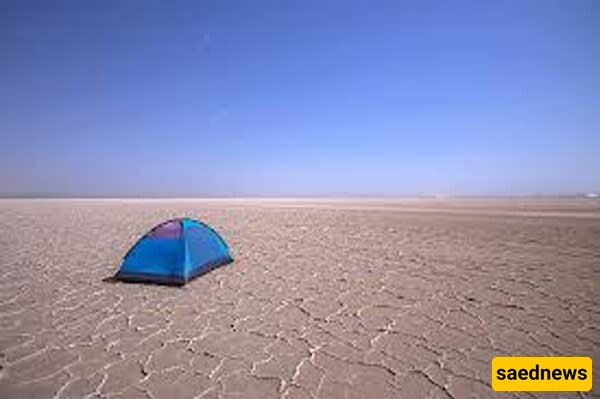
Howz-e Soltan Salt Lake covers approximately 240 square kilometers in northeastern Qom. Its size fluctuates seasonally: during rainfall and snowmelt from surrounding mountains, the water level rises and the lake expands, while in drier periods, its area shrinks. This continuous variation gives the lake its ever-changing, reflective surface.