SAEDNEWS: Northwestern doctors removed a 33-year-old man’s lungs and kept him alive with an artificial system until a transplant, showcasing a new frontier in treating acute lung failure.
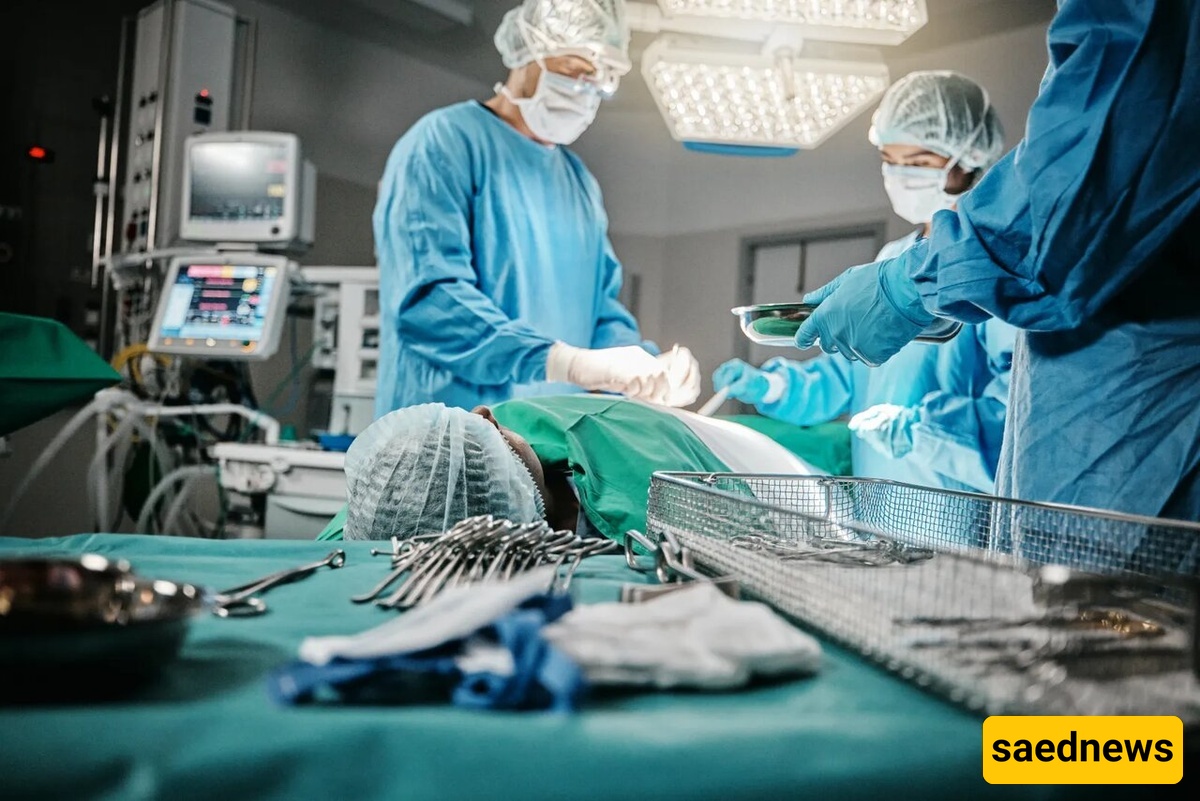
According to the Science and Technology desk of SaedNews, citing Newsweek, Ankit Bharat, a thoracic surgeon, has described a groundbreaking medical procedure in a report published in the journal Med. He explained how he and his team at Northwestern University managed to save a patient’s life by completely removing both lungs and temporarily replacing their function with an artificial system until a transplant could be performed.
This innovative approach could offer new hope for patients suffering from severe and irreversible lung failure.
“He was critically ill,” Bharat said. “As soon as he arrived at the hospital, his heart stopped, and we had to perform cardiopulmonary resuscitation (CPR). When an infection becomes so severe that the lungs are essentially destroyed, the damage is irreversible, and the patient is effectively at the brink of death.”
The patient was a 33-year-old man diagnosed with acute respiratory distress syndrome (ARDS), a serious and sometimes fatal condition marked by widespread inflammation and lung failure. The syndrome was triggered by influenza and worsened by bacterial pneumonia.
As the damage progressed, other vital organs—including his heart and kidneys—began to fail rapidly. According to Bharat, the only remaining treatment option at that point was a double lung transplant. However, the patient’s overall condition was so unstable that he could not tolerate an immediate transplant and first needed his vital functions to be stabilized.
Because the heart and lungs are so closely interconnected, the central question was how to keep the patient alive without lungs. To address this challenge, Bharat’s medical team designed an artificial lung system capable of temporarily oxygenating the blood, removing carbon dioxide, and maintaining stable blood circulation.
After the complete removal of the patient’s lungs and elimination of the primary source of infection, his blood pressure quickly stabilized, and the function of organs on the verge of failure began to improve. Two days later, once suitable donor lungs became available, surgeons successfully performed a double lung transplant.