SAEDNEWS: Historical Village of “Suh” in Isfahan, Despite Its Unique Historical, Natural, and Tourist Attractions, Remains Unknown, Requiring Strategic Planning to Leverage Its Potential for Economic Development and Employment in the Village
According to Saed News, quoting IRNA, Isfahan Province, with more than 22,000 historical buildings and sites—1,850 of which are registered nationally and seven globally recognized, including Naqsh-e Jahan Square, Chehel Sotoun Palace, Fin Garden of Kashan, Jameh Mosque, and the Qanats of Vazvan, Mazdabad, and Moon—is a major attraction for both domestic and international tourists.
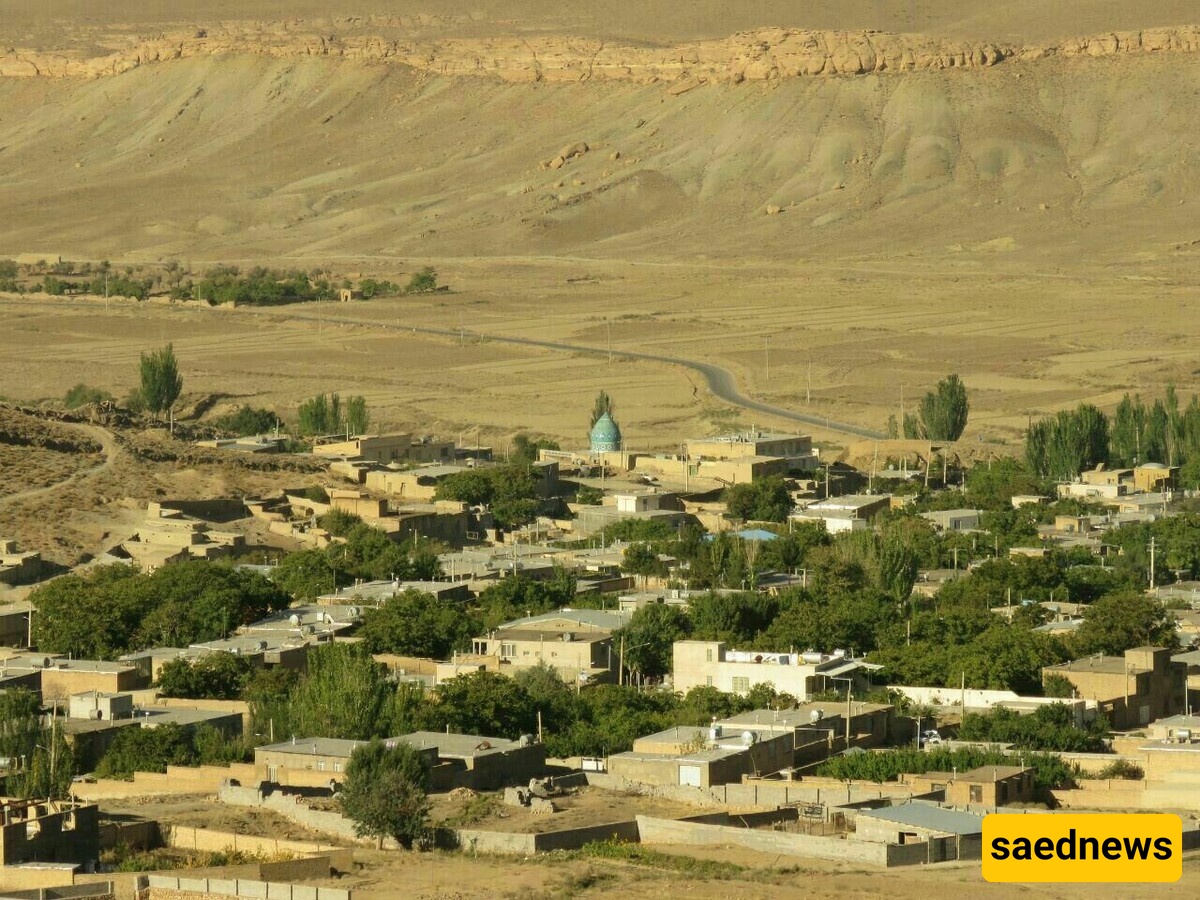
Beyond its globally renowned landmarks, numerous towns and villages in the region offer countless attractions that can delight any visitor and encourage a longer stay. One such historical village is Sooh, located in the northeast of Isfahan Province. Sooh is part of Shahin Shahr and Meymeh County, within the Central District and Morcheh Khort Rural District. The village lies 65 kilometers northeast of Shahin Shahr’s center.
Geographically, Sooh is situated at 51°27′E longitude and 33°26′N latitude. It is bordered by Abyaneh to the north, Bideshk to the south, Kalahrood to the east, and Meymeh city and Rabat village to the west. The name “Sooh” derives from “Suhi” or “Sahi,” meaning “elevated place,” reflecting its mountainous location.
The presence of the Abbasid Caravanserai (Agha Kamal Payin Caravanserai) on the main road leading to the village and a Qajar-era caravanserai within the village indicates that Sooh was historically located on key regional routes. Surrounded by high mountains and a seasonal river to the west, the village has developed neighborhoods with irregular, organically formed layouts, featuring compact residential areas and riverside gardens and orchards. The village’s core formed in the southwest, with old neighborhoods, castle remnants, and ancient baths highlighting its historical depth.
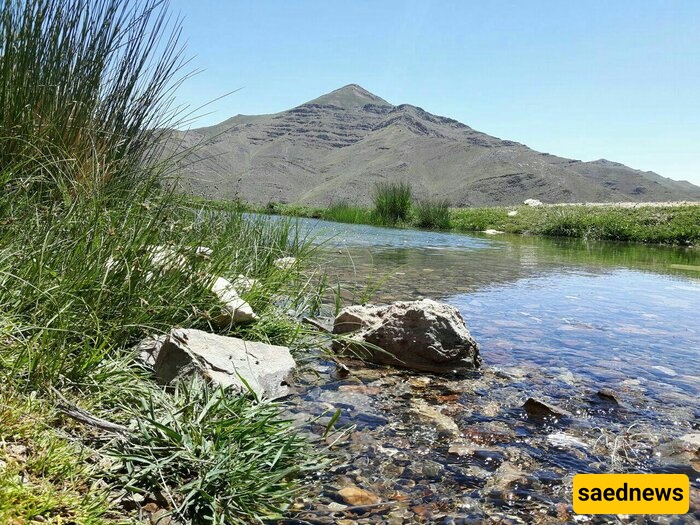
Sooh boasts natural attractions such as mountains, springs, qanats, gardens, farmland, and lush plains.
18 Unique Historical Sites in Sooh Village
These include Imamzadeh Yousef ibn Ali al-Naqi, Imamzadeh Jalil al-Qadr, Qajar-era caravanserai, two ancient baths (Lower and Upper Castle Baths), the historic house known as the English Telegraph House, the Farangi Mansion, Lower and Upper Castles, the pigeon tower and Kandeh garden, Kadkhoda’s residence, Mirza Jafar’s house, Imamzadeh Mill, Mirza Abolhasan Mill, Mirza Mohammad Mill, Sabat in the old Upper Castle neighborhood, and a brick kiln.
Handicrafts: A Reflection of Heritage and Artistry
Handicrafts showcase the skills and artistry of ancestors and reflect local culture. Historically, handicrafts were central to human creativity, especially before industrial machinery. In Sooh, traditional crafts included carpet weaving, giweh (local shoes) weaving, espend weaving, chadorshab weaving, embroidery, basketry, ghareh weaving (containers for wheat, barley, walnuts, etc., made with goat hair), tacheh weaving (flour storage containers with cotton thread), patchwork blankets, cotton-thread caps, spinning thread (from cotton, wool, or goat hair for giweh, scarves, socks, and caps), spice containers from pumpkin, kohl containers from rooster skin, water skins from sheep or cow, saddle making, and bag weaving.
Traditional Cuisine Enhances the Visit
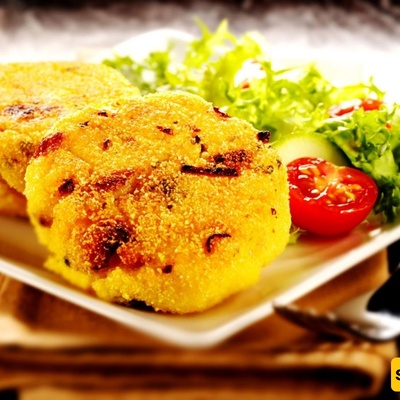
Each region of Iran has unique local foods. Sooh’s traditional dishes include Kalejoosh Mama (with whey, walnut, mint, and onion), oily Kalejoosh, Abgoosht (stew), baked Abgoosht, Ghorme meat stew, traditional Samanou, Kabab Dizi, Jighu Baghur, Jizok, Koofteh (known locally as Gheymchi), Shami, Ghor Mast, local lamb haleem, barley soup, tripe soup, Ash-e Takhmach, Golmisheh (similar to Ash-e Reshteh), Demi Patleh, and tasty dishes like Omach, Kachi, Gheimeh, Adasi, Adas Polo, and Shir Berinj.
Local dairy and livestock products include milk, yogurt, cheese, whey, doogh (yogurt drink), cream, butter, animal oil, lamb meat, local eggs, and traditional bread. Agricultural products include walnuts, almonds, various apples, pears, quince, grapes, cherries, sour cherries, apricots, plums, green plums, peaches, dried apricots, a local hawthorn called “Vik,” mulberries, and vegetables such as cucumbers, tomatoes, pumpkins, eggplants, melons, watermelons, and green peppers. The village also hosts numerous medicinal plant species.
Traditional Clothing
Clothing in Sooh reflected social, cultural, religious, and economic factors. Men wore Qaba, Arghalagh, Sareh, Kamarchin, Labadeh, pants, Giweh, Araghchin (cap), and Molavi or turban, with fabrics varying by social class. Women wore layered tunics, pants, floral shirts, and colorful patchwork chadors known locally as Kheshti or five-thread (Panj Makouyeh), sometimes arranged as a triangle or square.
Local Games and Cultural Heritage
Winter brought traditional games for children and youth, such as bone games (using sheep joints), Ham Meshki, Mozzi, Lapperi, Tab Dari, Paayesh Shaleh, Kolah Zadan, Dereh’i, Galeh Parani, and Shah Bazi. The village caravanserai and Muharram mourning rituals are nationally registered cultural heritage sites.
Challenges and the Need for Preservation
A cultural heritage researcher highlighted that new constructions in the historic and natural fabric have damaged parts of Sooh’s pristine landscape and heritage. Traffic, pollution, and urban fatigue have driven visitors to rural destinations, placing pressure on villages like Sooh. Cultural authorities must implement measures to control tourism, preserve rural heritage, and collaborate with local officials and residents to develop suitable infrastructure.
Preserving rural heritage correctly ensures its values for future generations. Degradation and the need for restoration of castles, houses, caravanserais, pigeon towers, and Imamzadeh shrines remain critical challenges.
Tourism Potential
With rich historical, cultural, and natural resources, Sooh is ideal for cultural tourism, nature walks, hiking, and religious visits. However, due to limited promotion, lack of awareness, modernization, and climate changes, many of its attractions face threats. Traditional architecture, reflecting thousands of years of history, harmonizes with the environment, uses local materials, and follows indigenous knowledge. Maintaining these structures is crucial.
Rural tourism in countries like Iran, where a significant population resides in rural areas, is a key sustainable development indicator. Sustainable tourism can harness natural, cultural, and historical resources, creating income opportunities while preserving heritage. Visitors travel to Sooh for relaxation, leisure, sport, cultural experiences, ethnography, flower walks, agricultural tourism, and nature exploration, offering opportunities to support local livelihoods.
However, sustainable development requires careful management of tourist capacity, prevention of overuse, and protection against land grabbing or speculative exploitation. Eco-lodges and responsible tourism initiatives in villages can help safeguard traditional culture and landscapes while fostering economic growth.