SAEDNEWS: According to traditional customs, before each holiday, gifts are prepared for the bride and groom by both families. We have prepared a list of customary gifts for you.
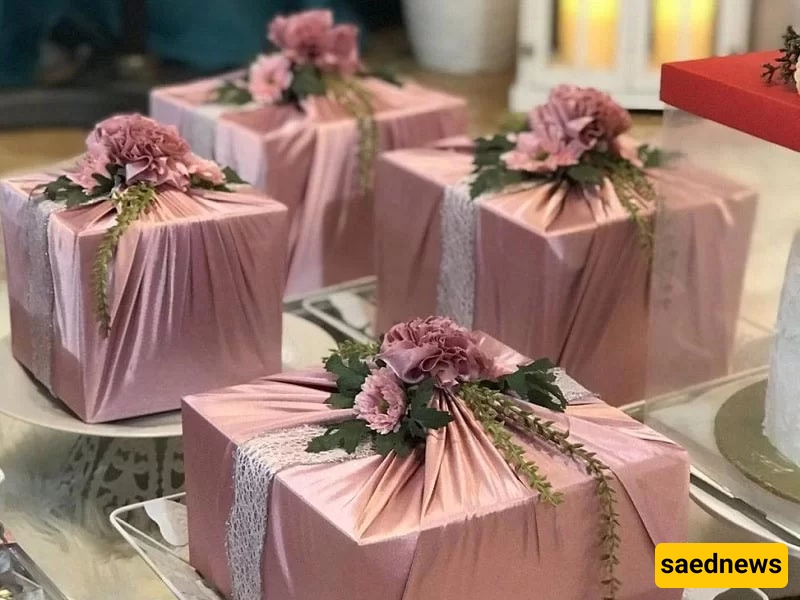
According to SAEDNEWS, Giving gifts (Eidi) is an ancient tradition in Iranian culture. In most cities of Iran, it is customary that when Nowruz (Persian New Year) approaches, the groom’s family brings gifts to the bride. Some families also give gifts to the groom in return. In certain cities, the bride’s father brings gifts to his daughter every year before the New Year after her marriage.
Giving Eidi to the newlywed bride at Nowruz is a cherished and respected tradition among Iranians. It is recommended to preserve this beautiful custom without letting extravagance, competition, or unrealistic expectations spoil it. If you also follow the tradition of bringing gifts for the bride and groom, you can watch videos online about giving Eidi to the bride and familiarize yourself with common gift ideas.

During the engagement period, the groom’s family presents gifts to the bride as a symbol of respect and affection for Nowruz. These gifts are chosen according to family customs, taste, and budget. Common gifts for the bride include:
Haft-Seen items (Nowruz table decorations)
Nuts and dried fruits
Sabzi polo with fish (herbed rice with fish)
Chocolates and sweets
Flower bouquets
Fruit baskets
Clothing, mantos, and holiday attire
Jewelry
Money
Gift cards
Gold coins
Bracelets
Watches
Mobile phones
Electric beauty appliances
Bags and shoes
Prayer mats and chadors
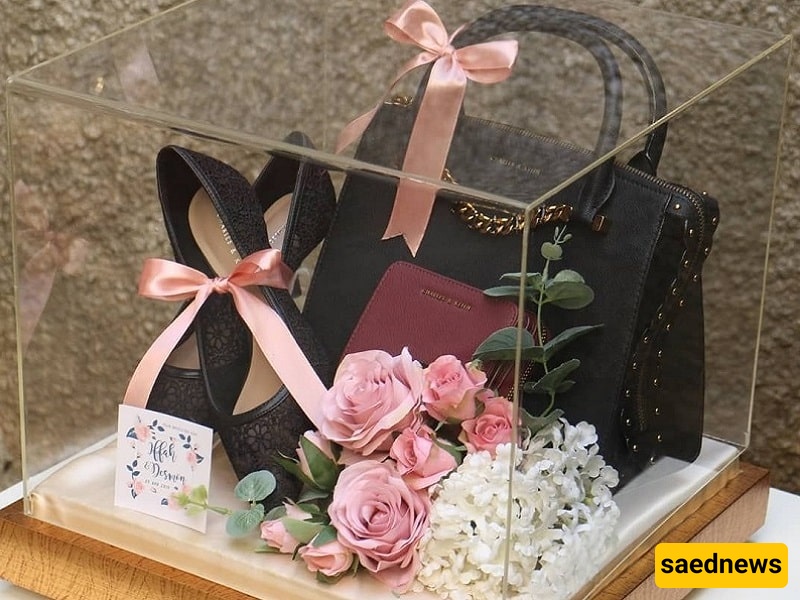
During Nowruz, before the New Year, the bride’s family prepares gifts for the groom. Examples of suitable gifts include:
Suits and clothing sets
Shoes and sneakers
Various clothes
Watches
Perfume and cologne
Wallets and belts
Personal care and grooming products
The best time to give Eidi to the bride is before the New Year. Gifts can be brought two weeks to three days before Nowruz so the bride can enjoy them. It is recommended to prepare and decorate gifts at least a month in advance for better planning and cost efficiency.
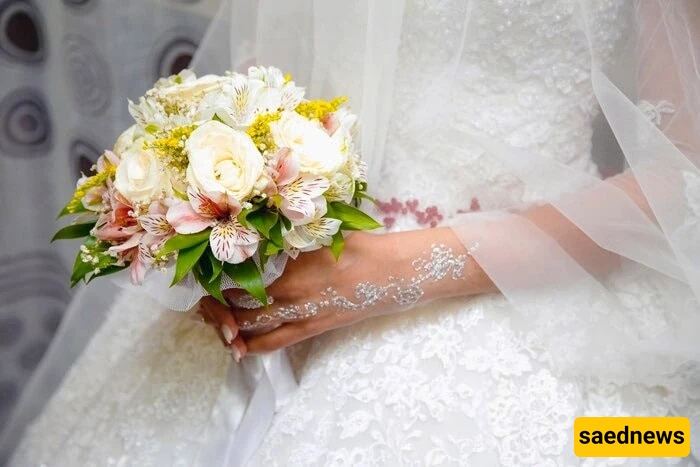
To show respect, taste, and affection to the bride or groom, choose high-quality gifts and decorate them thoughtfully. Presenting gifts in a beautiful and organized manner reflects the character of your family. Simple decoration is sufficient; extravagant embellishments are not necessary.
In some cities of Iran, it is customary for the bride’s family to give Eidi to their daughter after her marriage, before the New Year. In the first year of marriage, the mother’s gift is usually more elaborate, while in subsequent years, the family presents a gift suitable to their budget, often accompanied by sweets or chocolates. Common gifts from the bride’s family include:
Electric appliances (e.g., coffee makers, kitchen gadgets)
Decorative items (e.g., rugs, wall art)
Clothing (mantos, pants, bags, shoes, scarves, or loungewear)
Serving sets for guests (e.g., candy or dessert dishes, small ceramic plates)
Blankets
Gold jewelry
Money
Gift cards
Coins (quarter, half, or full coins)
Flowers and potted plants
Sweets and chocolates
Nuts and fruits
Food items (in some cities, it is customary to include them)
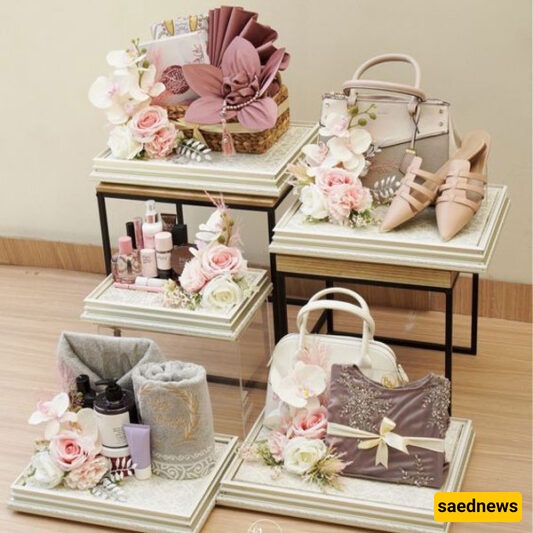
Giving Eidi is a sign of respect and affection from family and friends, showing joy and happiness for the bride entering her new life.
In some families, the tradition involves more elaborate arrangements and higher costs, depending on the financial situation of both families.
Sabzi polo with fish is a well-known Eidi; the groom’s family may deliver the prepared dish or the raw ingredients along with other gifts.
Buying new clothing for the bride is best done with her present, ensuring the choices align with her taste.
Choose gifts according to the bride’s preferences and interests.
Eidi should be selected with love and care.
In some cities, “Sarrakhti” is observed, where gifts are also prepared for the bride’s close family members.
When the bride’s family receives Eidi from the groom’s family, they often welcome and host them with incense and a meal.