SAEDNEWS: A 4,000-year-old wheel from Chogha Zanbil Ziggurat in Khuzestan, part of an Elamite chariot from the 2nd millennium BCE, is preserved at Iran’s National Museum. Rebuilt with wooden spokes and a bronze rim, it highlights the advanced metalwork and technology of the Elamites.
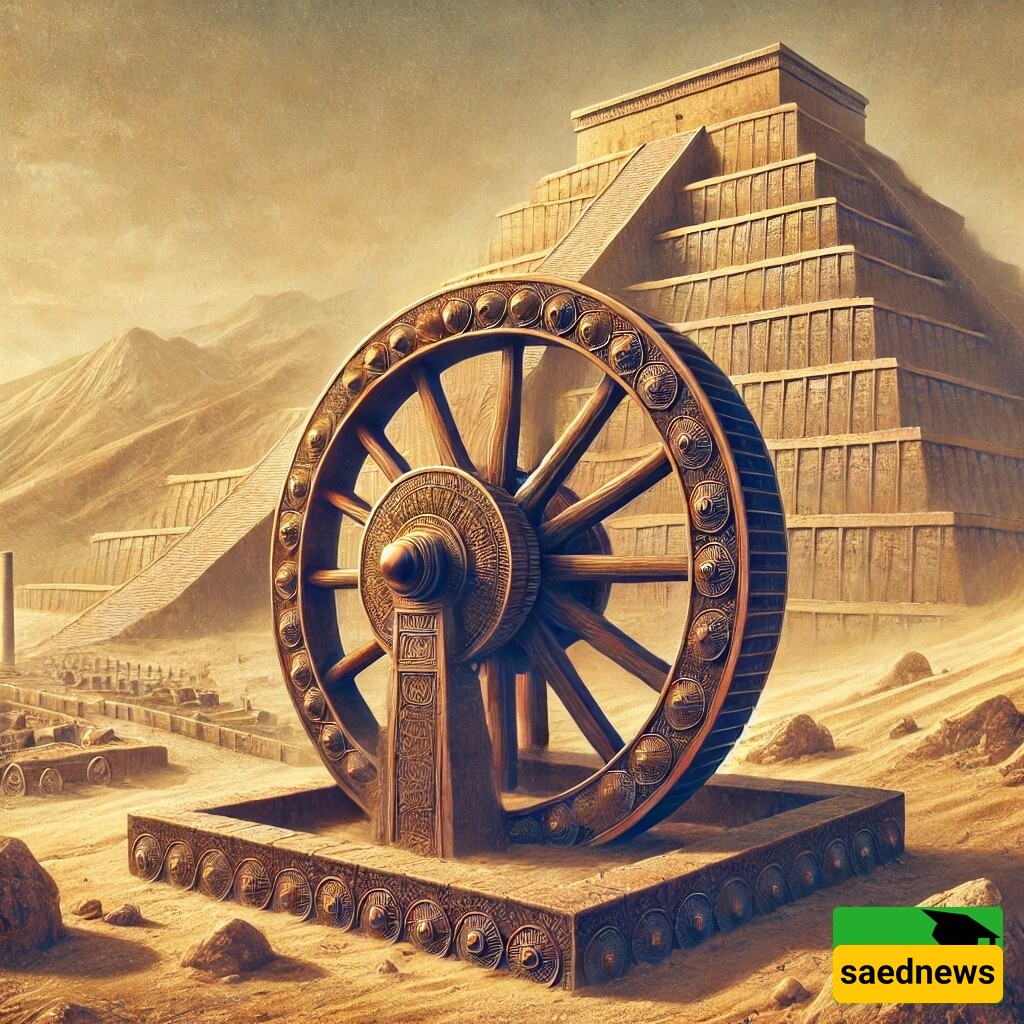
According to the History Desk of Saed News, a 4,000-year-old wheel discovered in the excavations of the Chogha Zanbil ziggurat complex in Shush, Khuzestan, is considered one of Iran’s oldest and most valuable historical artifacts. Dating back to the 2nd millennium BCE, the wheel was designed as part of Elamite chariots and reflects the skill and knowledge of ancient peoples in crafting and engineering mobile tools. Due to its historical significance, the wooden sections of the wheel that had deteriorated over time have been reconstructed to display its full form.
One of the wheel’s most remarkable features is its spokes and the use of a bronze guard, which not only enhanced its durability but also improved its efficiency and resistance to potential shocks. Spokes, commonly used in more advanced chariots and wheels, provided engineering advantages, allowing the wheel to move more effectively and bear greater weight. The use of bronze also indicates that the Elamite civilization had access to advanced metallurgical materials and techniques.
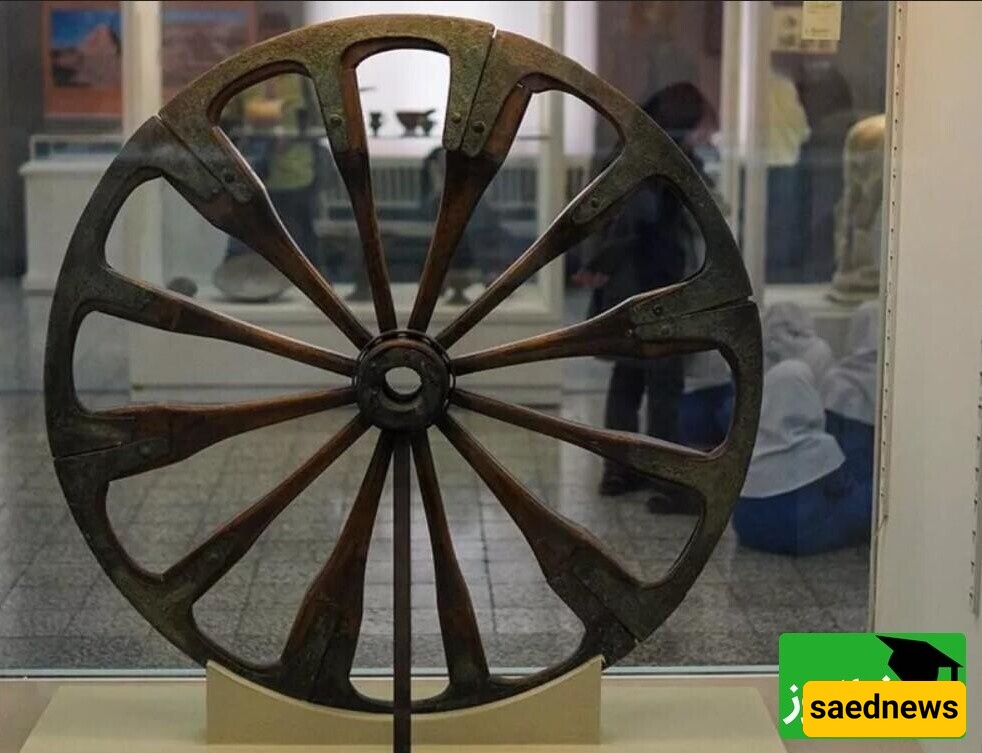
Today, this ancient wheel is preserved at the National Museum of Iran (Ancient Iran section) in Tehran and is one of the museum’s standout exhibits. Visitors can witness the construction techniques of mobile tools from 4,000 years ago, offering a tangible glimpse into the efforts and achievements of the Elamite people. Displaying the wheel provides a unique opportunity to study and better understand the culture and civilization of ancient Iran.
The wheel’s discovery at Chogha Zanbil—one of the most important architectural and religious sites of Elam—further amplifies its historical significance. As one of the world’s oldest ziggurat complexes, Chogha Zanbil holds a special place in the history of Elam and the broader Middle East. This wheel, as part of this major cultural and religious complex, reflects a rich and intricate history of social, religious, and technological connections of its time.